
Tax laws in the United States are constantly evolving, and staying informed is crucial for taxpayers to ensure compliance, maximize refunds, and avoid delays. One significant piece of legislation that has had a lasting impact on tax refund processing and tax credits is the Protecting Americans from Tax Hikes (PATH) Act. Signed into law in December 2015, the PATH Act introduced several changes designed to prevent tax refund fraud, make certain tax credits permanent, and improve financial security for taxpayers.
What Is the PATH Act?
The PATH Act, officially known as the Protecting Americans from Tax Hikes Act of 2015, was enacted to address critical issues in the tax system. Before the PATH Act, several key tax credits were temporary, and tax refund fraud was becoming increasingly common. The law sought to provide stability by making certain credits permanent and to enhance security through verification measures that prevent fraudulent refund claims.
The PATH Act affects both individuals claiming tax credits and businesses relying on certain deductions and incentives, making it a significant piece of legislation for tax planning.
Key Changes for Taxpayers
1. Refund Delays for Certain Tax Credits
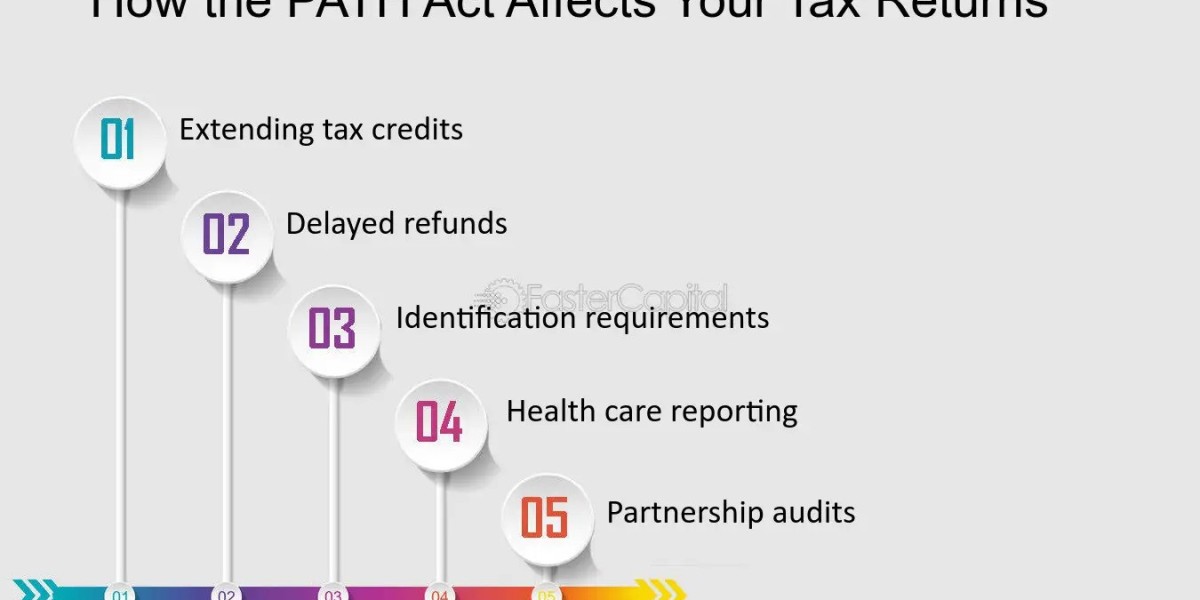
One of the most well-known changes introduced by the PATH Act is the delay in processing refunds for returns claiming the Earned Income Tax Credit (EITC) and Additional Child Tax Credit (ACTC).
Under the PATH Act, the IRS cannot issue refunds for tax returns claiming these credits until mid-February each year. This delay allows the IRS to verify income and prevent fraudulent claims. While some taxpayers may find this inconvenient, it ensures that refunds are issued only to eligible recipients, reducing the risk of identity theft and refund fraud.
Key Takeaway: Taxpayers claiming EITC or ACTC should plan for a potential refund delay and file their returns accurately to avoid additional verification issues.
2. Permanent Tax Credits
Before the PATH Act, several tax credits were temporary and required periodic renewal by Congress. The law made important credits permanent, giving taxpayers and businesses more certainty in financial planning.
Some of the permanent credits include:
Earned Income Tax Credit (EITC): Provides financial support to low- and moderate-income workers.
Child Tax Credit (CTC) and Additional Child Tax Credit (ACTC): Offers relief for families with children.
Research and Development (R&D) Tax Credit: Supports businesses investing in innovation and technology.
Making these credits permanent helps taxpayers plan their finances and ensures stability in tax benefits from year to year.
3. Early Wage Reporting by Employers
The PATH Act requires employers to submit employee wage information earlier than before. By collecting W-2 and 1099 information sooner, the IRS can verify income before issuing refunds.
This measure prevents taxpayers from receiving refunds based on incorrect or fraudulent income reporting. For employees, this change means that accurate and timely wage reporting is essential to avoid delays in receiving refunds.
4. Prevention of Refund Fraud
Refund fraud was a growing concern before the PATH Act. Criminals often used stolen identities to file early tax returns, claiming refunds before legitimate taxpayers could file.
The PATH Act implemented measures such as:
Delaying refunds for certain credits to allow verification
Enhancing wage reporting requirements
Strengthening IRS detection systems
These steps significantly reduce the risk of identity theft and protect taxpayers from fraudulent refund claims.
What Businesses Should Know About the PATH Act
While much of the PATH Act focuses on individual taxpayers, businesses also benefit from key provisions.
1. Permanent Business Tax Credits
Businesses now have greater certainty regarding tax incentives, including:
R&D tax credit: Allows businesses to claim credits for research and innovation expenses.
Enhanced depreciation rules: Provide tax relief for equipment and asset investments.
Small business provisions: Allow startups to claim R&D credits against payroll taxes.
These permanent provisions help businesses plan long-term investments and reduce overall tax liability.
2. Improved Compliance Requirements
The PATH Act also requires better reporting and recordkeeping for businesses. Accurate income and expense reporting help prevent audits, penalties, and delays in tax processing.
How the PATH Act Impacts Tax Planning
The PATH Act influences tax planning for both individuals and businesses in several ways:
Cash Flow Management: Taxpayers claiming refundable credits must plan for potential delays in receiving refunds.
Maximizing Credits: Permanent tax credits allow businesses and individuals to forecast benefits accurately and take advantage of incentives.
Compliance and Documentation: Proper recordkeeping and accurate reporting are more important than ever to ensure timely refunds and avoid IRS issues.
By understanding these changes, taxpayers and businesses can optimize their tax strategies and minimize surprises during filing.
Tips for Taxpayers to Navigate the PATH Act
File Early, But Accurately: Filing early does not necessarily mean receiving a refund sooner if claiming EITC or ACTC. Accuracy is key to avoiding additional verification delays.
Keep Proper Documentation: Maintain income statements, receipts, and other supporting documents in case the IRS requests verification.
Work With Tax Professionals: Accountants and tax preparers familiar with the PATH Act can help optimize credits and ensure compliance.
Monitor Refund Status: Use IRS tools to track refund processing and stay informed about potential delays.
Conclusion
The PATH Act has significantly reshaped the U.S. tax landscape for both individual taxpayers and businesses. Its most important changes include refund delays for certain credits, permanent tax incentives, improved wage reporting, and strengthened fraud prevention measures.
While delays in refunds for credits like EITC and ACTC may require taxpayers to adjust expectations, the long-term benefits of the PATH Act—such as permanent credits and reduced fraud—offer greater financial stability and protection.
By staying informed about the PATH Act and working with knowledgeable tax professionals, taxpayers and businesses can navigate the law effectively, optimize their tax benefits, and maintain compliance. Understanding these key provisions ensures that you are prepared for any changes in refund timing, credit eligibility, and reporting requirements.