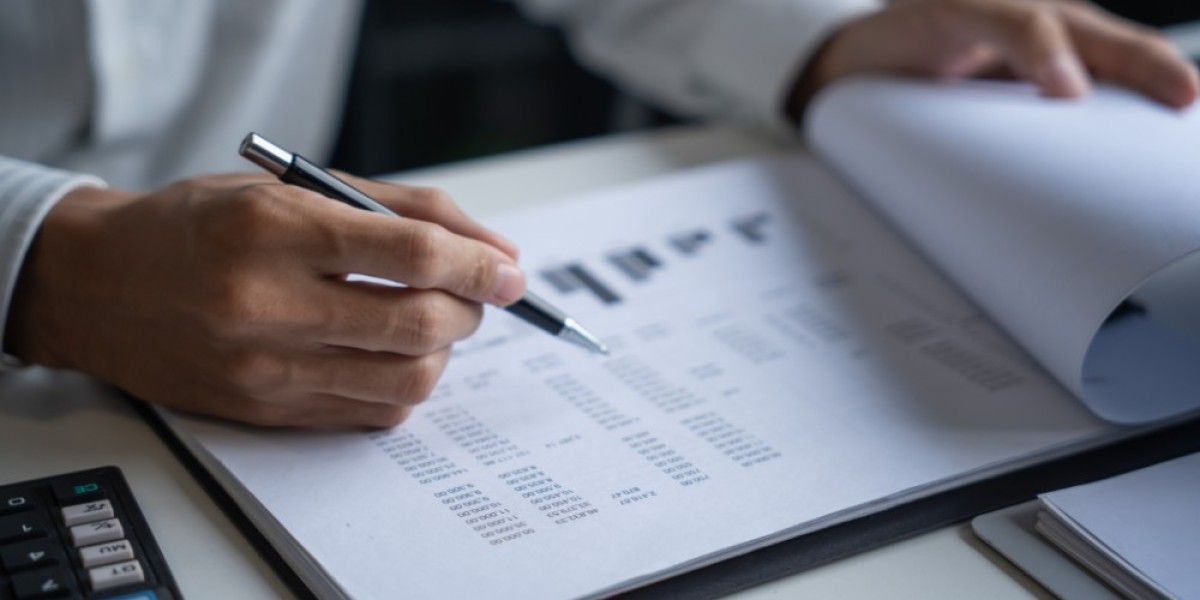

Small business accounting is one of the most important pillars of a successful business. Whether you run a startup, a retail store, or a service-based company, proper accounting helps you understand your financial health, stay compliant with tax laws, and make smarter business decisions. Without accurate accounting, even profitable businesses can struggle with cash flow issues, penalties, and long-term instability.
This comprehensive guide will explain small business accounting in detail, covering its importance, key components, methods, tools, and best practices to help you manage your finances with confidence.
What Is Small Business Accounting?
Small business accounting is the process of recording, analyzing, and managing a company’s financial transactions. It includes tracking income, expenses, assets, liabilities, and equity to ensure that the business remains financially stable and compliant with legal requirements.
Accounting provides a clear picture of where your money comes from, where it goes, and how well your business is performing over time.
Why Small Business Accounting Is Important
Effective accounting is essential for several reasons:
1. Financial Clarity
Accounting helps business owners understand their profits, losses, and overall financial position. This clarity allows for better planning and decision-making.
2. Legal and Tax Compliance
Accurate accounting ensures timely tax filings, correct tax payments, and compliance with government regulations, reducing the risk of fines or legal issues.
3. Cash Flow Management
Tracking income and expenses helps businesses maintain healthy cash flow and avoid financial shortfalls.
4. Business Growth
With reliable financial data, owners can identify growth opportunities, manage costs, and secure funding or investment.
Key Components of Small Business Accounting
1. Bookkeeping
Bookkeeping involves recording daily financial transactions such as sales, purchases, receipts, and payments. It is the foundation of all accounting activities.
2. Accounts Receivable
This refers to money owed to your business by customers. Managing accounts receivable ensures timely payments and consistent cash flow.
3. Accounts Payable
Accounts payable are the amounts your business owes to suppliers or vendors. Proper tracking helps maintain good relationships and avoid late fees.
4. Payroll Accounting
Payroll accounting manages employee salaries, wages, bonuses, taxes, and benefits, ensuring accurate and timely payments.
5. Financial Statements
Common financial statements include:
Income Statement – Shows profit or loss over a specific period
Balance Sheet – Displays assets, liabilities, and equity
Cash Flow Statement – Tracks cash inflows and outflows
Small Business Accounting Methods
1. Cash Accounting
Under the cash method, transactions are recorded only when cash is received or paid. This method is simple and suitable for very small businesses.
2. Accrual Accounting
Accrual accounting records income and expenses when they are earned or incurred, regardless of when cash is exchanged. This method provides a more accurate financial picture and is often required for larger businesses.
Accounting Software for Small Businesses
Modern accounting software simplifies financial management by automating many accounting tasks. Popular features include:
Expense tracking
Invoicing and billing
Bank reconciliation
Tax calculations
Financial reporting
Using accounting software saves time, reduces errors, and improves accuracy.
Hiring an Accountant vs. DIY Accounting
Doing It Yourself
Many small business owners handle basic accounting themselves using software. This approach is cost-effective for startups and small operations.
Hiring a Professional Accountant
An accountant provides expert guidance on tax planning, compliance, and financial strategy. This option is ideal for growing businesses with complex finances.
Best Practices for Small Business Accounting
Keep personal and business finances separate
Maintain accurate and timely records
Reconcile bank statements regularly
Track expenses carefully
Plan for taxes throughout the year
Review financial statements monthly
Common Accounting Mistakes to Avoid
Mixing personal and business expenses
Poor record-keeping
Ignoring cash flow management
Missing tax deadlines
Not seeking professional help when needed
Avoiding these mistakes can save time, money, and stress.
Conclusion
At alexisrobins Small business accounting is not just about numbers—it is about understanding your business and setting it up for long-term success. With proper accounting practices, you can maintain financial control, meet legal obligations, and make informed decisions that support growth. Whether you choose to manage accounting yourself or hire a professional, investing time and effort into accurate financial management is essential for building a stable and profitable small business.