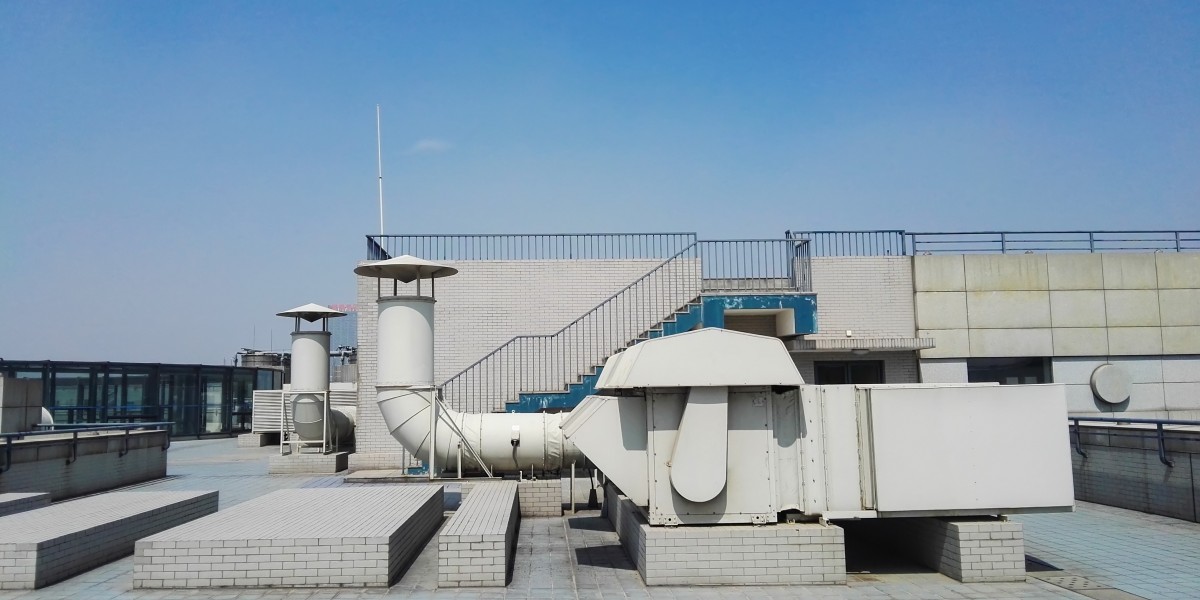

In modern industrial facilities, proper ventilation is not just a regulatory requirement—it’s critical for worker safety, equipment efficiency, and overall productivity. Industrial processes often generate heat, fumes, dust, and airborne contaminants that can compromise the work environment if not managed effectively. This makes industrial ventilation system design a central aspect of facility planning.
By combining expert design with precise CAD drafting service, engineers can create reliable, efficient, and fully coordinated ventilation systems that integrate seamlessly with other building systems. This guide explores how expert CAD drafting enhances industrial ventilation design and ensures optimal performance.
What Is Industrial Ventilation System Design?
Industrial ventilation system design involves planning, analyzing, and detailing systems that control airflow, remove contaminants, and maintain safe and comfortable conditions in industrial environments. It includes:
General ventilation for large areas
Local exhaust systems for specific equipment or processes
Ducting and airflow management
Integration with HVAC systems
Control systems for monitoring and automation
The goal is to provide consistent airflow, remove harmful substances, and maintain temperature and humidity levels in compliance with safety standards.
Why Industrial Ventilation Design Is Critical
1. Safety and Compliance
Proper ventilation reduces exposure to harmful fumes, dust, and gases. Industrial facilities must comply with OSHA, NFPA, and other regulatory standards to protect employees and equipment.
2. Process Efficiency
Ventilation impacts equipment performance and production quality. Efficient airflow prevents overheating, reduces corrosion, and maintains optimal process conditions.
3. Energy Efficiency
Integrating ventilation with HVAC systems allows for controlled airflow and temperature management, reducing energy consumption and operational costs.
4. Comfort and Productivity
Proper ventilation improves indoor air quality, temperature, and humidity control, directly influencing worker comfort and productivity.
Key Components of Industrial Ventilation Systems
A comprehensive industrial ventilation system typically includes:
Exhaust Fans and Blowers: Remove contaminated air from work zones.
Ductwork: Delivers and removes air efficiently, with minimal pressure loss.
Air Handling Units (AHUs): Condition and distribute supply air.
Filters and Scrubbers: Remove particulate matter, fumes, and odors.
Control Systems: Monitor airflow, pressure, and temperature for automated performance.
These components must be carefully designed and coordinated for optimal system functionality.
The Role of CAD Drafting in Ventilation Design
Professional CAD drafting services are indispensable for designing modern industrial ventilation systems. Accurate CAD drawings allow engineers to:
Visualize complete ventilation layouts
Plan duct routing and equipment placement
Coordinate with mechanical, electrical, and architectural systems
Generate fabrication-ready and installation-ready drawings
Maintain accurate documentation for approvals and maintenance
Expert CAD drafting minimizes errors, prevents clashes, and ensures that ventilation systems are both functional and efficient.
Design Considerations for Industrial Ventilation Systems
1. Airflow Requirements
Determine the volume of air required to maintain safe and comfortable conditions based on process emissions, heat loads, and occupancy levels.
2. System Integration
Ventilation systems should integrate seamlessly with HVAC, electrical, and automation systems for coordinated operation.
3. Energy Recovery and Efficiency
Design strategies should optimize airflow and incorporate energy recovery where possible to minimize energy costs.
4. Accessibility and Maintenance
Ventilation systems must be designed for easy access to fans, filters, and ducts to allow regular maintenance and inspections.
5. Scalability
Future-proof designs allow for system expansion or modifications as facility needs change.
Challenges in Industrial Ventilation Design
Industrial facilities often face challenges such as:
Space constraints and complex layouts
High heat or contaminant loads
Coordination with existing structures and systems
Strict regulatory and safety compliance
Budget and energy efficiency targets
These challenges require detailed planning and expert CAD drafting to resolve effectively.
Benefits of Professional CAD Drafting for Ventilation Design
Enhanced Accuracy: Precise layouts reduce errors during fabrication and installation.
Improved Coordination: Ensures ventilation works in harmony with HVAC and structural systems.
Time and Cost Savings: Minimizes rework and reduces project delays.
Compliance and Documentation: Supports regulatory approvals and long-term maintenance.
Future-Ready Systems: Allows for scalable and adaptable designs.
Professional drafting ensures that industrial ventilation systems meet both operational and regulatory requirements.
Asset Eyes – Experts in Industrial Ventilation and CAD Drafting
Before concluding, it’s important to highlight Asset Eyes, a trusted provider of professional CAD drafting and industrial ventilation system design services.
Asset Eyes specializes in:
Industrial ventilation system design
CAD drafting services for manufacturing, construction, and industrial projects
Electrical control panel design and integration
High-precision, industry-ready documentation
With skilled CAD professionals, advanced tools, and strict quality standards, Asset Eyes delivers precise, compliant, and optimized ventilation system designs for industrial facilities.
Conclusion
Industrial ventilation system design is crucial for safety, efficiency, and compliance in modern industrial facilities. By integrating expert CAD drafting into the design process, engineers can create systems that are accurate, coordinated, and energy-efficient.
As industrial facilities evolve and regulatory requirements become stricter, precise design and documentation become increasingly critical. Partnering with professionals like Asset Eyes ensures your industrial ventilation systems are designed for optimal performance, safety, and long-term reliability.