
Introduction
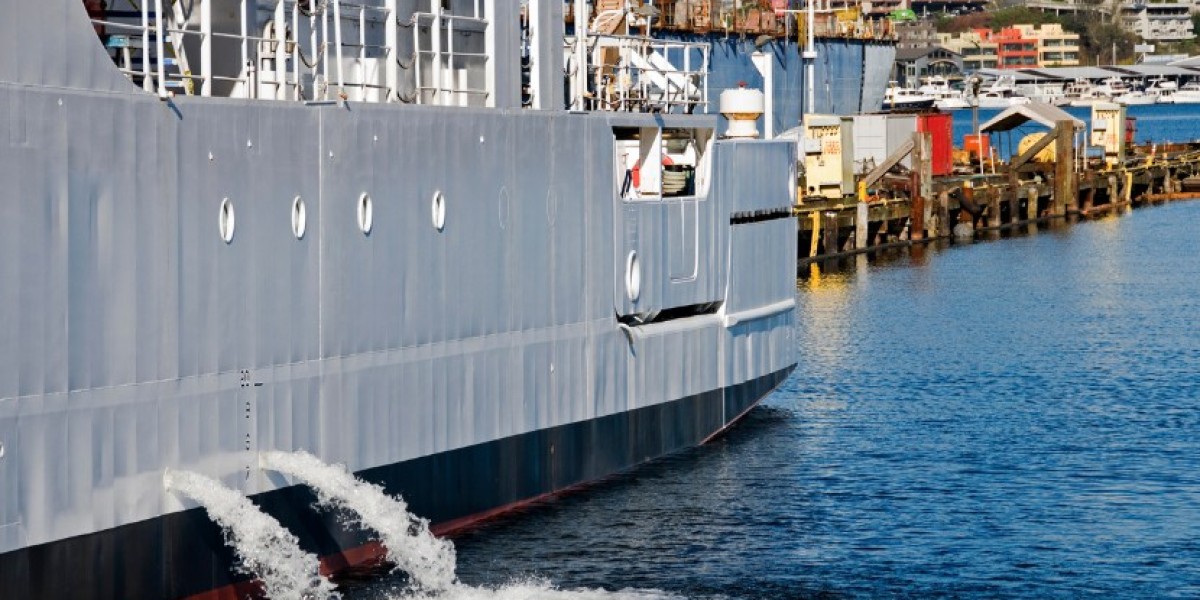
The ballast water management market has become an important part of the global maritime industry as environmental regulations and marine sustainability concerns continue to reshape shipping operations. Ballast water is carried by ships to maintain stability during voyages, but it often contains microorganisms, bacteria, and marine species collected from one region and discharged into another. Over time, this transfer of aquatic organisms has created serious environmental challenges in coastal ecosystems around the world.
As international shipping activity has expanded, governments and maritime authorities have introduced stricter ballast water discharge regulations to reduce ecological damage caused by invasive species. These regulations have significantly increased the demand for ballast water treatment systems and related marine services across commercial shipping fleets, offshore operations, and port infrastructure.
The global ballast water management market is expected to grow at a CAGR of 7.20% during the forecast period of 2026-2035, reaching approximately USD 5.16 billion by 2035. This steady growth reflects the shipping industry’s increasing focus on environmental compliance, operational reliability, and long-term sustainability.
Modern ballast water management systems are becoming more advanced, combining filtration technologies, chemical treatment methods, automation, and digital monitoring tools. What was once viewed primarily as a regulatory obligation is now considered an essential component of responsible maritime operations.
Growing Environmental Importance of Ballast Water Management
Ballast water management plays a critical role in protecting marine ecosystems from invasive aquatic species transported through international shipping routes. When ships take in ballast water at one port and discharge it at another, they unintentionally move organisms such as algae, bacteria, larvae, and small marine animals into unfamiliar environments.
In many cases, these species survive and reproduce in new ecosystems, disrupting local biodiversity and damaging fisheries, coastal industries, and marine habitats. Some invasive organisms can spread rapidly because natural predators may not exist in the newly affected waters. The environmental and economic consequences can be severe, particularly for regions that rely heavily on fishing and marine tourism.
Concerns surrounding invasive species have increased significantly over the past two decades, leading to stronger international regulations aimed at controlling ballast water discharge. Environmental protection agencies and maritime organizations now treat ballast water management as a central part of global marine conservation efforts.
Beyond ecological concerns, ballast water compliance has become increasingly important for shipping companies from an operational and financial perspective. Failure to meet regulatory standards can result in penalties, vessel delays, restricted port access, and reputational risks. As a result, shipping operators are investing more heavily in treatment systems that support long-term compliance and operational continuity.
The issue has also become closely connected to broader sustainability goals within the transportation and logistics sectors. Alongside reducing emissions and improving fuel efficiency, the maritime industry is facing growing pressure to minimize its impact on marine ecosystems.
Advancements in Ballast Water Treatment Technologies
The ballast water management market includes several treatment technologies designed to remove or neutralize harmful organisms before ballast water is discharged into the environment. These systems generally fall into three categories: physical disinfection, chemical treatment, and mechanical filtration methods.
Physical disinfection technologies are among the most widely adopted solutions in the market. Ultraviolet (UV) treatment systems are especially common because they disinfect ballast water without introducing large quantities of chemicals into marine environments. UV systems work by damaging the DNA of microorganisms, preventing them from reproducing after discharge.
Many shipowners prefer physical treatment methods because they are considered environmentally safer and relatively easier to integrate into existing vessel operations. However, their effectiveness can depend on water quality, turbidity, and operating conditions, which means performance may vary between shipping routes.
Chemical treatment systems use disinfectants or oxidizing agents to eliminate harmful organisms within ballast water tanks. Electrochlorination systems, for example, generate disinfectants onboard using seawater. These technologies are often effective for handling high biological loads and large treatment volumes.
Mechanical treatment methods primarily involve filtration systems that remove sediments, particles, and larger organisms before additional disinfection stages are applied. Filtration is commonly used as the first phase of multi-stage ballast water treatment systems because it improves the efficiency of downstream treatment processes.
Modern treatment systems increasingly combine multiple technologies to meet stricter regulatory standards and improve operational reliability. Integrated systems that blend filtration, UV treatment, and chemical disinfection are becoming more common in large commercial vessels operating internationally.
Automation and digital monitoring technologies are also improving system performance. Advanced monitoring platforms allow crews and operators to track treatment efficiency, system status, and compliance records in real time, helping simplify inspection and reporting procedures.
Download your free sample report with the latest market insights: - https://www.expertmarketresearch.com/reports/ballast-water-management-market/requestsample.
Impact of International Regulations on Market Growth
Regulatory enforcement remains one of the strongest factors driving the ballast water management market. International maritime authorities have introduced strict standards requiring ships to install approved treatment systems capable of limiting the discharge of invasive aquatic organisms.
The International Maritime Organization (IMO) Ballast Water Management Convention has played a central role in shaping the global market. The convention established mandatory treatment standards for vessels engaged in international shipping and created clear compliance timelines for shipowners.
As these regulations came into effect, thousands of existing vessels required retrofitting with ballast water treatment systems. This generated substantial demand for equipment manufacturers, marine engineering companies, and installation service providers.
Regional regulations have also influenced industry development. In the United States, ballast water discharge requirements enforced by the U.S. Coast Guard involve strict certification and operational standards. Many shipping companies operating globally must therefore ensure compliance with both IMO and regional regulations simultaneously.
Regulatory complexity has encouraged growth in support services such as performance testing, calibration, and recommissioning. Shipowners increasingly rely on specialized service providers to maintain certification and avoid compliance-related operational disruptions.
The regulatory environment is expected to continue evolving as environmental protection standards become stricter. Future regulations may focus more heavily on treatment efficiency, monitoring transparency, and operational sustainability.
Importance of Installation, Calibration, and Support Services
The ballast water management market extends far beyond equipment manufacturing. Installation, maintenance, testing, and calibration services have become essential parts of the industry due to the technical complexity of ballast water treatment systems.
Installation and calibration services represent a major segment of the market, particularly because many older ships were not originally designed to accommodate ballast water treatment equipment. Retrofitting these systems into existing vessels often requires extensive engineering modifications and careful integration with onboard pumping and control systems.
Each vessel presents different technical challenges depending on its size, operational profile, and available onboard space. As a result, marine engineering expertise has become increasingly valuable within the market.
Performance measurement services are also growing in importance. Regulatory inspections often require shipowners to demonstrate that treatment systems are functioning correctly under real operating conditions. Independent testing and monitoring help verify compliance while reducing the risk of penalties or operational delays.
Recommissioning services have gained additional relevance as vessels undergo repairs, upgrades, or periods of inactivity. Treatment systems may require recalibration or software adjustments to maintain regulatory approval after maintenance work or equipment changes.
Long-term service contracts are becoming more common as shipowners seek continuous technical support, predictive maintenance, and remote system monitoring capabilities. This shift reflects the maritime industry’s growing preference for lifecycle management solutions rather than standalone equipment purchases.
Applications Across the Maritime Industry
Commercial shipping remains the largest application area for ballast water management systems because cargo vessels, oil tankers, bulk carriers, and container ships transport massive volumes of ballast water during international operations.
Large shipping companies are increasingly prioritizing treatment systems that offer operational reliability, energy efficiency, and minimal maintenance requirements. Since ballast water treatment directly affects vessel operations, shipowners often evaluate systems based on long-term operating costs and ease of compliance.
The offshore energy sector also represents an important market segment. Offshore support vessels, drilling units, and floating production facilities regularly manage ballast water during offshore operations. Environmental regulations in offshore regions have increased the need for reliable treatment technologies capable of operating under demanding marine conditions.
Passenger ships and cruise vessels are gradually expanding their use of advanced ballast water treatment systems as environmental expectations within the tourism industry continue to rise. Cruise operators face growing scrutiny regarding marine sustainability practices, making ballast water management part of broader environmental strategies.
Ports and maritime logistics hubs are also becoming more involved in environmental monitoring and compliance verification. Some ports are implementing stricter inspection procedures and digital reporting systems to improve marine ecosystem protection and reduce the spread of invasive species.
The wide range of maritime applications demonstrates that ballast water treatment is now considered a standard operational requirement across much of the global shipping industry.
Regional Trends and Industry Expansion
Asia Pacific continues to play a major role in the ballast water management market due to its strong shipbuilding industry and large commercial shipping fleets. Countries such as China, Japan, and South Korea are investing heavily in maritime modernization and environmental compliance technologies.
The region’s growing maritime trade volumes and expanding port infrastructure are supporting continued demand for ballast water treatment systems and retrofit services. Many new vessels constructed in Asia Pacific are now designed with integrated ballast water treatment technologies from the outset.
Europe remains another key market, supported by strong environmental regulations and sustainability initiatives within the maritime sector. European shipping companies have been among the early adopters of advanced treatment technologies, particularly systems designed to reduce chemical use and improve operational efficiency.
North America continues to see steady market demand due to strict ballast water discharge standards and regulatory enforcement by agencies such as the U.S. Coast Guard. Compliance requirements have encouraged shipping operators to invest in certified treatment systems and performance monitoring solutions.
Latin America and the Middle East & Africa are gradually increasing adoption as maritime infrastructure improves and environmental monitoring becomes more advanced. While these regions currently represent smaller market shares, rising trade activity and expanding regulatory oversight are expected to support future market growth.
Regional market development will continue to depend on shipping activity, environmental policy implementation, and investments in maritime infrastructure modernization.
Competitive Landscape and Key Industry Participants
The ballast water management market is highly competitive, with companies focusing on treatment efficiency, regulatory certification, operational reliability, and technical support services.
Alfa Laval Inc. is one of the leading providers of ballast water treatment technologies, particularly filtration and UV-based systems designed for commercial marine applications. The company has also expanded its service capabilities to support vessel retrofitting and compliance monitoring.
Headway Technology Group (Qingdao) Co., Ltd. has established a strong presence in the Asian market through ballast water treatment equipment designed for both new ship construction and retrofit projects.
Hitachi, Ltd. contributes to the market through automation technologies, engineering integration, and monitoring systems that support marine environmental compliance.
NK Co., Ltd. focuses on environmental protection technologies for the maritime sector and continues expanding its ballast water treatment portfolio to align with evolving regulations.
Wärtsilä provides integrated marine solutions that combine ballast water treatment with digital vessel management and operational optimization technologies.
Ecochlor is recognized for its chemical-based ballast water treatment systems designed for high-capacity commercial vessels and offshore applications.
Competition within the market is increasingly shaped by technological innovation, energy efficiency, global service networks, and the ability to support changing regulatory requirements.
Future Outlook of the Ballast Water Management Market
The ballast water management market is expected to continue growing steadily as environmental regulations become stricter and shipping companies prioritize long-term compliance strategies.
Future industry development will likely focus on improving treatment efficiency, reducing operational complexity, and lowering energy consumption. Manufacturers are working to develop more compact and automated systems that can integrate more easily into both new vessels and retrofit projects.
Digital technologies are also expected to play a larger role in ballast water management. Remote monitoring platforms, predictive maintenance tools, and automated compliance reporting systems may help shipowners improve operational transparency and reduce maintenance-related disruptions.
The market is also likely to benefit from broader sustainability initiatives within the maritime industry. As shipping companies work toward reducing environmental impact across multiple areas, ballast water management will remain closely linked to responsible marine operations and ecosystem protection.
Although challenges related to installation costs, regulatory variation, and operational complexity still exist, ballast water treatment systems are becoming increasingly essential for global shipping operations. As international trade and maritime traffic continue expanding, the importance of effective ballast water management is expected to grow further over the next decade.
Discover More Reports
Antimicrobial Hospital Curtains Market
About Us:
Expert Market Research is a leading market research firm delivering data-driven insights to the pharmaceutical, biotechnology, and medical device industries. Our comprehensive research solutions include market research reports, providing in-depth analysis of industry trends and competitive landscapes; drug pipeline reports, tracking drug development progress, clinical trials, and regulatory approvals; epidemiology reports, offering detailed disease prevalence and patient population studies; and patent reports, assessing intellectual property landscapes and innovation trends, among others.
Leveraging proprietary data, advanced analytics, and expert methodologies, we help businesses navigate complex markets, optimize strategies, and drive innovation. We empower clients with actionable intelligence, enabling them to make informed decisions and stay ahead in the rapidly evolving healthcare sector.
Media Contact:
Company Name: Claight Corporation
Contact Person: Roshan Kumar, Digital Marketing
Email: sales@expertmarketresearch.com
Toll-Free Number: US +1-415-325-5166 | UK +44-702-402-5790
Address: 30 North Gould Street, Sheridan, WY 82801, USA
Website: www.expertmarketresearch.com