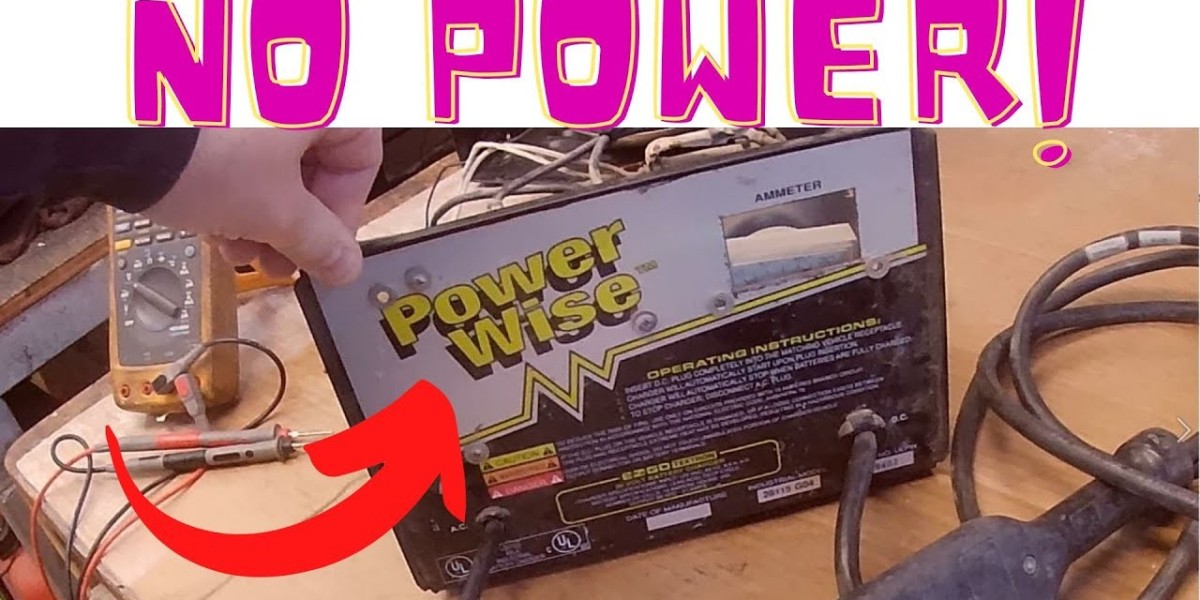

Golf carts have evolved from simple utility vehicles into reliable transportation tools used in residential communities, golf courses, resorts, and even commercial spaces. At the heart of every golf cart lies its battery system, which determines performance, range, and reliability. However, like any power source, golf cart batteries can develop issues over time. Understanding how to troubleshoot common battery problems can save you time, money, and frustration while ensuring your cart runs smoothly.
Understanding Golf Cart Battery Basics
Golf cart batteries are typically either lead-acid or lithium-ion. Lead-acid batteries have been the traditional choice for years, while lithium batteries are becoming increasingly popular due to their longer lifespan and low maintenance requirements. Regardless of the type, batteries require proper care and monitoring to function efficiently. Many users focus heavily on accessories like a golf cart soundbar with subwoofer, but often overlook the health of the battery system, which is far more critical for performance.
Common Signs of Battery Problems
Recognizing early warning signs can help prevent major issues. Some of the most common symptoms include:
Reduced driving range
Slow acceleration
Difficulty holding a charge
Corrosion on battery terminals
Unusual smells or overheating
If you notice any of these issues, it’s time to inspect your battery system closely.
Battery Not Holding Charge
One of the most frequent issues is a battery that doesn’t hold a charge. This can happen due to several reasons:
Causes:
Aging batteries nearing the end of their lifespan
Sulfation in lead-acid batteries
Faulty charger
Loose or corroded connections
Solutions:
Start by checking the charger to ensure it’s functioning properly. Inspect all cable connections and clean any corrosion using a mixture of baking soda and water. If the battery is old (typically 4–6 years for lead-acid), replacement may be necessary.
Slow Acceleration or Weak Performance
If your golf cart feels sluggish, the battery may not be delivering enough power.
Causes:
Low charge level
Damaged battery cells
Improper voltage output
Solutions:
Use a voltmeter to test each battery. If one battery shows significantly lower voltage than others, it may be defective and require replacement. Keeping batteries evenly charged is essential for consistent performance.
Battery Overheating
Overheating is a serious issue that should never be ignored. It can lead to permanent damage or even safety hazards.
Causes:
Overcharging
Poor ventilation
Internal battery damage
Solutions:
Ensure your charger automatically shuts off when the battery is fully charged. Place the batteries in a well-ventilated area and avoid charging immediately after heavy use. If overheating persists, consult a professional.
Corroded Battery Terminals
Corrosion appears as a white or bluish substance on battery terminals and can interfere with electrical connections.
Causes:
Acid leaks
Moisture exposure
Lack of maintenance
Solutions:
Disconnect the battery and clean terminals carefully. Apply a protective coating or terminal spray to prevent future corrosion. Regular inspection can help avoid this issue.
Uneven Battery Charging
Golf carts typically use multiple batteries connected in series. If one battery underperforms, it can affect the entire system.
Causes:
Imbalanced charging
Faulty battery cell
Poor wiring connections
Solutions:
Check voltage levels across all batteries. Replace any battery that shows irregular readings. Ensure all connections are tight and secure.
Short Battery Lifespan
If your batteries are wearing out faster than expected, it could be due to improper usage or maintenance.
Causes:
Frequent deep discharges
Overcharging
Lack of regular watering (for lead-acid batteries)
Solutions:
Avoid draining batteries completely before recharging. Maintain proper water levels in lead-acid batteries and use a high-quality charger. Consistent care can significantly extend battery life.
Charger Issues
Sometimes the problem isn’t the battery but the charger itself.
Signs of Charger Problems:
Batteries not charging at all
Charger not turning on
Overcharging batteries
Solutions:
Test the charger output using a multimeter. If it’s not delivering the correct voltage, repair or replace it. Always use a charger compatible with your battery type.
Wiring and Connection Problems
Loose or damaged wires can disrupt power flow and mimic battery issues.
Causes:
Wear and tear
Improper installation
Exposure to moisture
Solutions:
Inspect all cables for damage or looseness. Tighten connections and replace any worn-out wires. Proper wiring ensures efficient energy transfer.
Preventive Maintenance Tips
Preventing battery problems is always better than fixing them. Here are some essential maintenance tips:
Charge batteries after every use
Avoid overcharging or deep discharging
Keep terminals clean and dry
Store the cart in a cool, dry place
Perform regular voltage checks
Routine maintenance not only improves performance but also extends the lifespan of your batteries.
When to Consider Upgrading
If you frequently face battery issues despite proper maintenance, it may be time to upgrade your system. Modern lithium batteries offer several advantages, including longer life, faster charging, and reduced weight. Many golf cart owners are now opting for a club car lithium conversion to enhance efficiency and reliability, especially for long-term use.
Conclusion
Golf cart battery issues are common but manageable with the right knowledge and approach. From charging problems to corrosion and performance drops, most issues can be diagnosed and resolved with basic tools and regular maintenance. Paying attention to early warning signs and following preventive measures can keep your golf cart running smoothly for years.