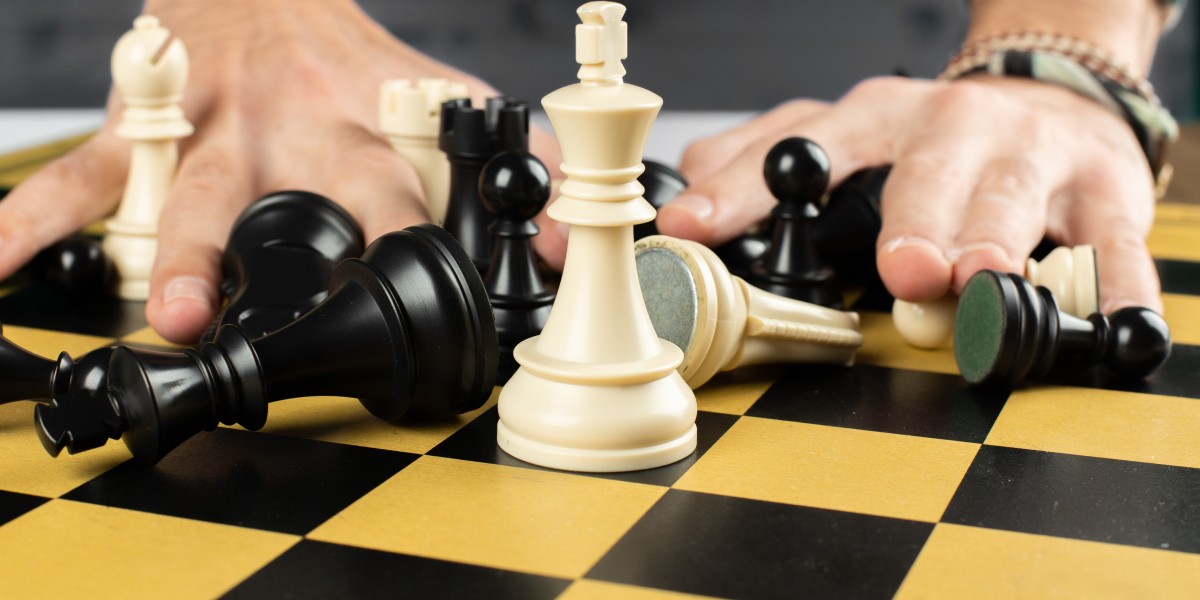

Most players don’t respect endgames. That’s the truth. They spend hours on openings, maybe even buy a caro kann course, memorize lines… and then completely collapse when only kings and pawns are left on the board. It’s painful to watch sometimes.
If you’ve ever taken private chess lessons, you already know this—coaches always come back to endgames. Again and again. Because this is where games are actually decided. Not in flashy tactics. Not in opening traps. Right here.
King and pawn endgames look simple. They’re not. One wrong move and the whole position flips. You go from winning to drawing. Or worse, losing.
Let’s break this down properly. No fluff.
The King Is Not Weak—It’s a Fighter
In the opening, your king hides. In the endgame, it comes out swinging.
This is the first mindset shift most beginners struggle with.
Your king is an attacking piece now. It should move toward the center. It should support pawns. It should block the opponent’s king. If your king is sitting back doing nothing, you’re already in trouble.
A common mistake? Players push pawns without activating the king first. That’s backwards.
Instead:
- Centralize your king early
- Use it to control key squares
- Walk it up the board like it owns the place
Because in king and pawn endgames… it kinda does.
Understanding Opposition (This One Wins Games)
Opposition
This is the backbone of king and pawn endgames. If you don’t understand opposition, you’re guessing. And guessing loses games.
Opposition simply means both kings face each other with one square in between. The player who is not to move usually has the advantage.
Sounds simple. But in real games, it gets tricky fast.
There’s:
- Direct opposition
- Distant opposition
- Diagonal opposition
And yeah, beginners mix these up all the time.
Here’s the practical takeaway:
Use opposition to force the enemy king backward. Once you push it away, your pawn can advance safely.
Miss this idea, and you’ll end up in endless draws.
Key Squares: The Hidden Map of the Board
Every pawn has “key squares.” Control them, and the pawn promotes. Lose them, and… good luck.
For example:
- A pawn on e4 has key squares like d6, e6, f6
- If your king reaches one of these, promotion is almost guaranteed
Most players don’t even think about this. They just push pawns randomly.
That’s a mistake.
Instead, think in terms of zones. Where does your king need to be? Not just the next move. Two, three moves ahead.
This is where game analysis becomes powerful. At Metal Eagle Chess, we often see students improve fast once they start identifying key squares correctly. It’s like flipping a switch.
Passed Pawns: Your Winning Weapon
A passed pawn is dangerous. Everyone knows that. But most players don’t use it properly.
They rush it.
Big mistake.
A passed pawn is strongest when:
- Your king supports it
- The opponent’s king is far away
- You time the push correctly
Push too early, and it gets blocked. Too late, and you lose tempo.
Also, don’t ignore the idea of an outside passed pawn. It pulls the enemy king away. Creates space. Gives your king freedom to invade.
This is basic strategy, but still… people mess it up all the time.
Common Mistakes That Cost Games
Let’s be blunt. These errors show up everywhere.
First, ignoring king activity. Players treat the king like it’s still in danger. It’s not.
Second, pushing pawns too fast. No calculation. Just hope.
Third, not calculating opposition. They move, opponent responds, and suddenly the position collapses.
Fourth, panic. Yeah, that’s real. Endgames feel slow, but every move matters more.
If you’ve played enough games, you’ve made all of these mistakes. I have too.
The fix? Slow down. Think deeper. And actually study these positions instead of skipping them.
Simple Strategy That Actually Works
You don’t need 20 rules. Just a few solid principles.
Bring your king to the center. Early.
Use opposition to control space.
Don’t rush pawn pushes.
Create passed pawns, then support them.
That’s it. Sounds basic, but applying it consistently… that’s the hard part.
This is exactly why structured learning matters. Whether it’s endgames or openings like the caro kann course, having a system beats random learning every time.
Game Insight: One Small Move, Big Result
Let’s imagine a simple position.
White: King on e4, pawn on d4
Black: King on e6
Looks equal, right?
But if White to move plays Kf4, aiming for opposition and key squares, the whole game changes. Suddenly Black is pushed back. The pawn advances. Promotion is coming.
Now flip it. One careless move, like pushing d5 too early… and it’s a draw.
That’s the margin in king and pawn endgames. Tiny. Brutal.
This is why strong players spend time analyzing even the simplest positions. Because they’re not simple.
Why Most Players Avoid Endgames (And Why You Shouldn’t)
Honestly? Endgames are not flashy. No sacrifices. No quick wins. Just slow pressure.
That’s why many players ignore them. They’d rather learn a new opening line or buy another caro kann course hoping for faster results.
But here’s the truth endgames give you the biggest return on time invested.
You win more games. You save lost positions. You understand chess deeper.
At Metal Eagle Chess, we’ve seen this pattern again and again. Players who focus on endgames improve faster. Period.
Conclusion: Master the Basics, Win More Games
King and pawn endgames are not optional. They’re essential.
You don’t need to memorize hundreds of positions. But you do need to understand the core ideas—opposition, key squares, king activity, passed pawns.
Miss these, and your progress will stall. Doesn’t matter how many openings you know.
If you’re serious about improving, start here. Study a few positions daily. Analyze your games. And yes, if possible, take private chess lessons where someone actually corrects your thinking.
Combine that with structured training whether it’s endgames or even something like a caro kann course—and you’ll see real improvement. Not just in theory, but in actual games.
Slow chess. Deep thinking. Small edges.
That’s how you win.