
If you ever find yourself walking through a village in the Armenian highlands, don’t be surprised if a complete stranger invites you into their home for coffee. And don't be shocked when that "coffee" turns into a three-course meal that lasts until sunset.
In the West, we have "customer service." In the East, they have "etiquette." But in Armenia? We have a sacred bond between the host and the guest. At the very center of this bond sits a tradition so ancient it’s woven into the DNA of the culture: Agh u Hats, or "Bread and Salt."
To understand this gesture is to unlock the true meaning of Armenian hospitality traditions. It’s not just about calories; it’s about a spiritual contract of peace and friendship.
The Symbolism: Why Bread? Why Salt?
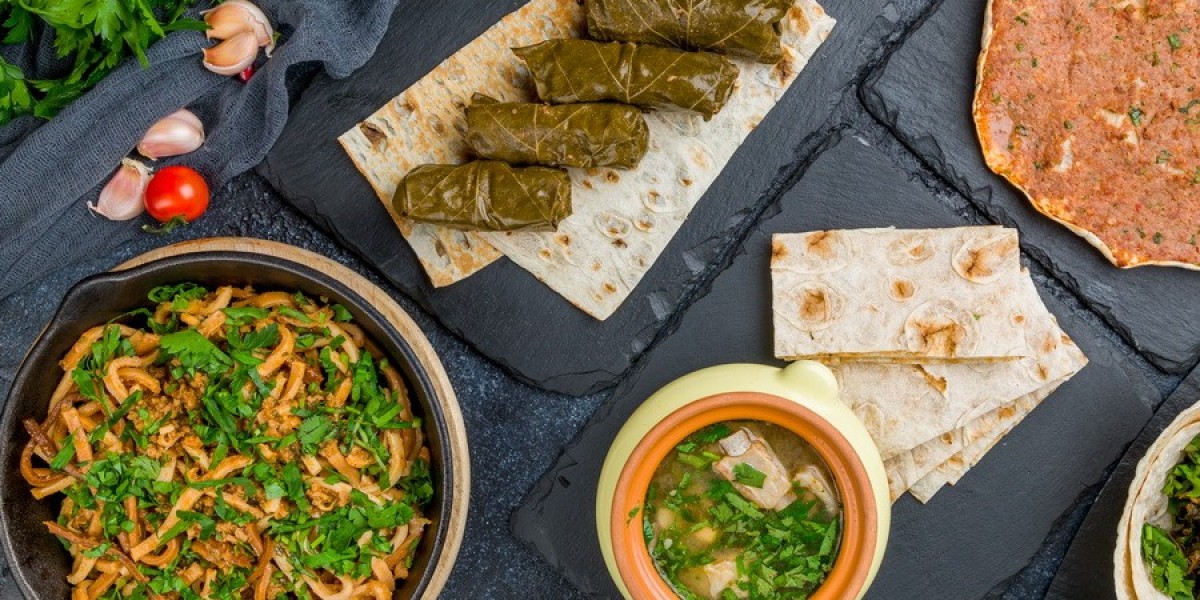
In the Armenian worldview, bread is not just food; it is life itself. It’s common to hear Armenians refer to eating a meal simply as "eating bread. Whether you are sitting down for a five-course feast of Armenian cuisine or just a quick snack, the bread usually the thin, ancestral lavash is the guest of honor.
Salt, on the other hand, is the preserver. It was historically a valuable commodity, a symbol of purity and the "spice" that keeps a relationship from decaying.
When a host meets a guest at the door with a tray of freshly baked bread and a small bowl of salt, they aren't just offering a snack. They are saying, "My home is your home, my resources are yours, and there is no enmity between us." By dipping the bread into the salt and eating it, the guest accepts this protection and offers their respect in return.
The "Guest is a Gift from God" Philosophy
In traditional Armenian hospitality traditions, the best room in the house is kept for the guest. The best bottle of homemade apricot vodka is hidden in the back of the cupboard, reserved for the moment a visitor knock.
I’ve seen families who have very little in the way of material wealth spend their last few drams to ensure a guest’s plate is never empty. To an outsider, it might seem like overkill. To an Armenian, it’s a matter of honor. If a guest leaves an Armenian home feeling anything less than uncomfortably full, the host feels they have failed.
The Table as a Battlefield of Kindness
If you’ve ever sat at an Armenian table, you know the "Food Push." It’s an essential part of Armenian cuisine culture. You finish a piece of khorovats (barbecue), and before you can set your fork down, two more pieces have materialized on your plate.
"Eat, eat, you're too thin!" the grandmother will say, regardless of your actual size.
This relentless generosity is part of the "Bread and Salt" contract. The table isn't just a place to eat; it’s where stories are told, toasts (kenats) are made, and strangers become family. The "Tamada" (toastmaster) leads the evening, ensuring that the wine flows as freely as the conversation.
Beyond the Table: A Modern Tradition
You might think these hospitality traditions are relics of the past, tucked away in remote mountain villages. But you’ll see "Bread and Salt" ceremonies at the most modern weddings in Yerevan, at the opening of new businesses, and when high-ranking diplomats visit the country.
It has evolved, but the core remains: the recognition of our shared humanity. In a world that feels increasingly divided and digital, the act of physically breaking bread and sharing salt is a grounding, humanizing experience. It forces you to slow down, look your host in the eye, and acknowledge that for this moment, you are taken care of.
What to Do If You’re Invited
If you find yourself on the receiving end of this hospitality, here are a few "pro-tips" to honor the tradition:
Don't arrive empty-handed: A box of chocolates or flowers is a lovely way to reciprocate the "Bread and Salt" spirit.
Pace yourself: The meal will be longer than you think. There will always be "just one more dish" of incredible Armenian cuisine.
Accept the first toast: Even if you don't drink alcohol, raising your glass and acknowledging the host's words is a sign of deep respect.
Eat the bread: It sounds simple, but truly enjoying the bread is the highest compliment you can pay an Armenian host.
The Magic of the Threshold
There’s something transformative about crossing an Armenian threshold. The moment you taste that salt, the "stranger" label falls away. You aren't a tourist; you’re a guest of the nation.
"Bread and Salt" is a reminder that the simplest things: flour, water, and minerals are the most powerful tools we have for building peace. So, if you ever get the chance to visit this rugged, beautiful land, come hungry. Not just for the food, but for the warmth that only an Armenian kitchen can provide.