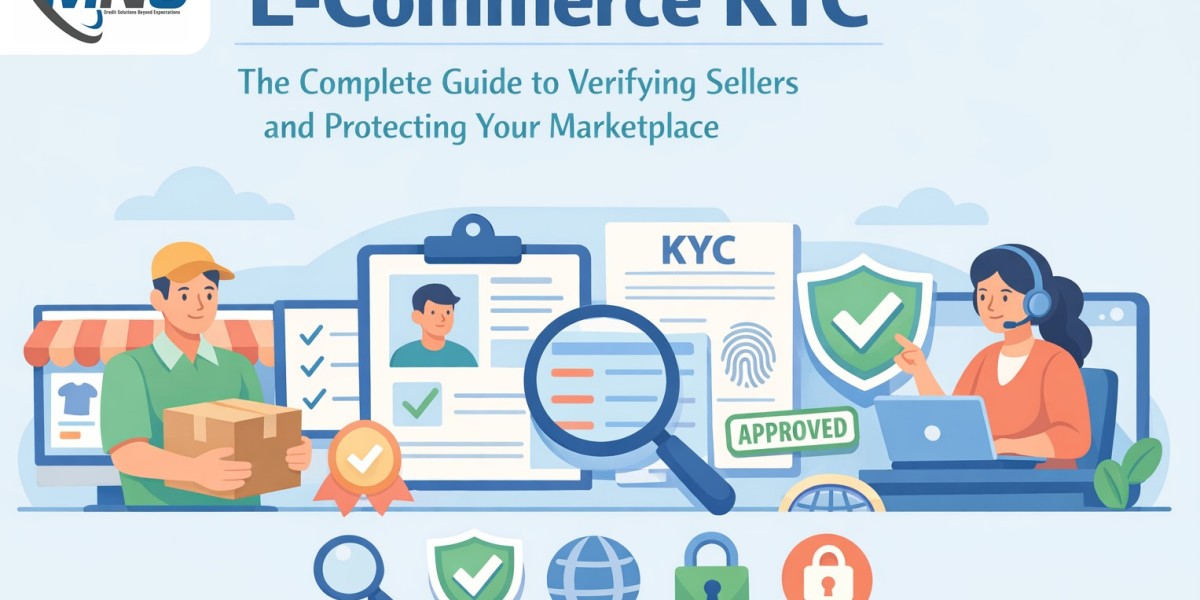

The rapid growth of digital marketplaces has created an urgent challenge for platform operators: how do you scale seller onboarding without opening the door to fraud, regulatory risk, and reputational damage? The answer lies in e-commerce KYC — a structured, technology-driven process for verifying the identity of every seller before they go live on your platform.
For risk managers, compliance officers, and onboarding teams, getting this right is no longer optional. Regulatory bodies are tightening AML and identity verification requirements for digital platforms globally. Meanwhile, fraudulent sellers, counterfeit goods, and payment scams are becoming more sophisticated by the day.
Why Seller and Vendor Verification Is Non-Negotiable
E-commerce platforms are only as trustworthy as the sellers they host. A single fraudulent actor can trigger buyer disputes, chargebacks, regulatory investigations, and lasting damage to your brand. At scale, the risks multiply fast.
That's why leading platforms are investing in global seller identity verification — a comprehensive approach that validates not just who a seller is, but whether their business is legitimate, compliant, and safe to transact with.
For B2B marketplaces, procurement portals, and cross-border trading platforms, the stakes are even higher. Seller verification underpins your entire value proposition: a marketplace where buyers transact with confidence, and legitimate sellers grow without friction.
Platforms with verified seller networks consistently see higher buyer conversion rates, lower dispute volumes, and stronger relationships with payment processors and financial partners.
Key Risks of Onboarding Unverified Sellers
Without a structured e-commerce KYC process in place, your platform is exposed to a range of compounding risks:
1. Identity Fraud and Account Takeover
Fraudsters use stolen identities, synthetic personas, or falsified business documents to register seller accounts. Once active, they exploit buyer trust to execute scams, siphon payments, and disappear — leaving your platform to manage the fallout and absorb the losses.
2. Regulatory and Sanctions Violations
Operating across borders means navigating a complex web of AML regulations, sanctions regimes, and data privacy laws. Platforms that fail to screen sellers against global watchlists risk severe penalties. Robust KYB for online platforms — covering entity verification, UBO identification, and sanctions screening — is now a baseline regulatory expectation in most major markets.
3. Counterfeit Goods and IP Liability
Unverified sellers are the primary conduit for counterfeit products on online marketplaces. Beyond direct legal exposure, counterfeit listings drive away legitimate brand sellers and erode buyer confidence across your entire platform.
4. Financial and Reputational Damage
The cost of a fraud incident — legal fees, regulatory fines, buyer refunds, and negative press — consistently far exceeds the investment in proactive verification. Every unverified seller represents an unquantified liability on your platform.
How E-Commerce KYC and KYB Solve These Challenges
Modern seller verification services combine automated technology with global data coverage to deliver fast, accurate, and scalable identity checks. A complete solution typically includes:
• Identity Document Verification: Automated validation of government-issued IDs, passports, and business registration documents. AI-powered checks detect forgeries and expired documents in real time across 190+ countries.
• Biometric and Liveness Verification: Facial recognition and liveness detection confirm the person submitting documents is the genuine account holder — preventing impersonation and synthetic identity fraud.
• Business Entity Verification (KYB): Company registration checks, director and shareholder verification, UBO mapping, and legal standing confirmation — essential for platforms onboarding business sellers.
• Sanctions and PEP Screening: Real-time screening against OFAC, UN, EU, and global sanctions lists, Politically Exposed Person databases, and adverse media sources to block high-risk actors at the door.
• Ongoing Monitoring: Verification doesn't stop at onboarding. Continuous monitoring flags changes in seller risk profiles, ownership structures, or regulatory status — keeping your platform compliant around the clock.
Key Features to Look for in a Verification Service Provider
When evaluating providers for seller KYC and KYB capabilities, your team should prioritize these criteria:
Feature | What to Look For |
Global Coverage | Verification across 190+ countries with local document libraries and regulatory compliance built in |
API-First Integration | Embed verification directly into your onboarding flow with minimal engineering effort |
Configurable Risk Rules | Set risk thresholds by seller category, geography, or transaction volume to match your risk appetite |
Audit Trail & Reporting | Full documentation for regulator inquiries, internal audits, and dispute resolution |
Multilingual Support | Verify sellers in their local language to reduce drop-off and improve completion rates |
Scalability | Handle onboarding volume spikes during peak seasons or new market launches without delays |
Benefits of Seller Verification for Marketplaces and E-Commerce Platforms
Implementing a robust e-commerce KYC framework delivers measurable, cross-functional value across your organisation:
Risk & Compliance Teams
Demonstrate regulatory due diligence, reduce exposure to sanctions violations, and maintain defensible audit records — without overburdening your team with manual reviews.
Onboarding & Operations Teams
Automate identity checks, reduce time-to-live for verified sellers, and lower abandonment rates with a fast, mobile-friendly verification experience that doesn't drive legitimate vendors away.
Finance & Payments Teams
Meet the identity verification requirements of payment processors and banking partners, unlocking better rates, faster payouts, and expanded payment method availability.
Platform Leadership
Protect enterprise value, attract institutional investors, and build a brand known for trust, security, and compliance — at any scale.
Conclusion: E-Commerce KYC Is the Foundation of a Scalable, Trusted Marketplace
In today's digital commerce landscape, the platforms that win are the ones buyers and sellers trust most. E-commerce KYC is not just a compliance checkbox — it's a strategic investment in the long-term integrity and growth of your marketplace.
The platforms that invest in verification today are the ones that scale without limits tomorrow.
Looking for a Globally Trusted Verification Solutions Provider? Partner with a globally trusted verification solutions provider that understands the complexity of cross-border commerce. From seller KYC to full KYB, we help e-commerce platforms and marketplaces onboard faster, stay compliant, and eliminate fraud at scale. ✔ Request a Free Demo ✔ Talk to a Verification Expert ✔ Get a Custom Integration Quote Explore our seller verification services and take the first step toward a safer, more compliant marketplace. Verify smarter. Grow faster. Build trust that lasts. |