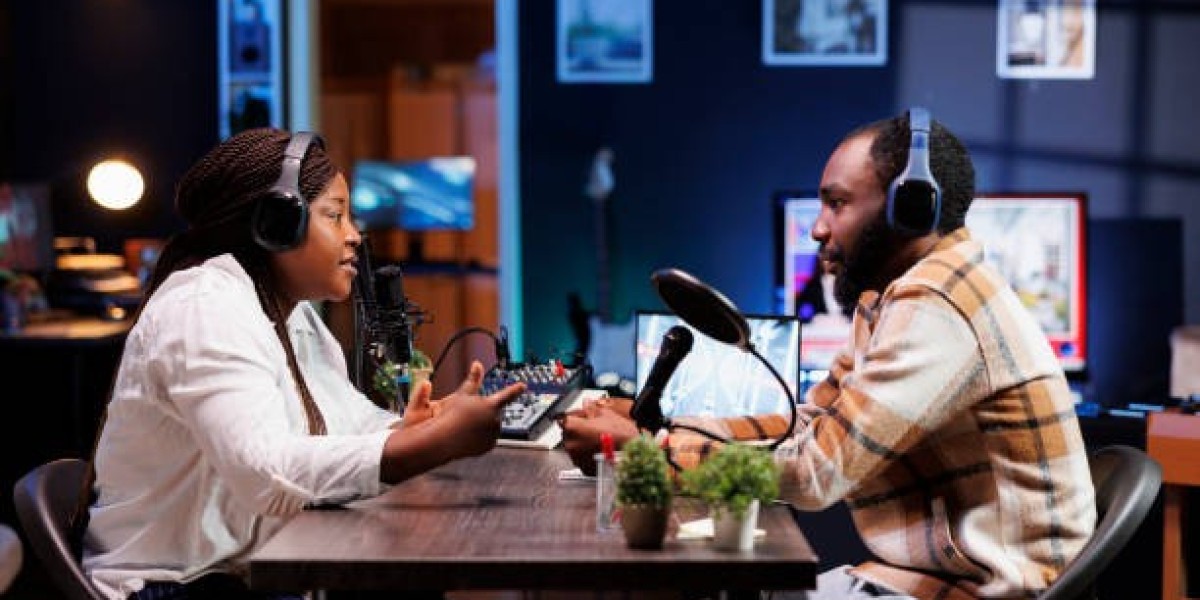

Starting a podcast sounds fun in your head. Simple, even. Talk into a mic, upload, done. But then you actually sit down, and suddenly it’s like… wait, what mic, what software, what room, what branding, what format. It gets noisy fast. If you’re trying to build something like a podcast studio in Fort Worth setup, or honestly anywhere, the overthinking hits the same way. And look, some planning is fine. I’m not saying go in blind. But most people don’t have a planning problem. They have a starting problem. Big difference. They circle around ideas for weeks, maybe months. Watching videos, reading threads, saving gear lists they’ll never use. At some point, you gotta admit it. You’re stalling.
Start With What You’ve Got (Even If It’s Kinda Bad)
Your first setup is not going to be impressive. It just isn’t. And that’s okay. You can record on a basic USB mic. Or even your phone, yeah, I said it. Find a quieter corner. Turn off whatever’s humming in the background. Sit a bit closer to the mic than feels natural. That alone fixes half your “audio issues.” People act like they need a perfect room before they begin. You don’t. You need a place that’s “good enough” so you can hear yourself clearly. That’s it. Fixing things comes later. Starting doesn’t need to be perfect.
Gear Obsession Is a Distraction (Most of the Time)
This part might sting a little. Buying gear feels like progress, but it’s not always real progress. You can spend hours comparing microphones, interfaces, cables… and still not record a single episode. Happens all the time. Feels productive, but nothing actually moves forward. Also, no one sticks around for your mic quality if what you’re saying is dull. Harsh, but true. Content carries the whole thing. Gear just supports it. So yeah, get decent equipment eventually. But don’t hide behind it.
Your “Studio” Can Be Weird, Nobody Cares
There’s this image people have of a podcast studio. Clean desk, LED lights, foam panels everywhere. Looks great on Instagram. Real life? Not always like that. Some people record in closets. Some are in their cars. I know someone who started sitting on the floor with a pillow behind the mic. It worked. Sounded fine too. You just need less echo, less noise. That’s the game. Throw some soft stuff around. Blankets, curtains, whatever. It’s not pretty, but it does the job. No listener is picturing your room anyway.
Consistency Is the Thing That Actually Wins
Not talent. Not expensive setups. Not even “great ideas.” Consistency. It’s boring, I know. But the podcasts that grow are the ones that keep showing up. Week after week. Even when the episode feels average. Even when you’re tired and kinda don’t want to record. Skip too many sessions, and it gets awkward to restart. Like you broke something. Momentum disappears faster than you expect. So pick a schedule you won’t hate. Stick to it. That’s the whole strategy, really.
When You Might Need Extra Help (And When You Don’t)
Somewhere down the line, things can get messy. Editing takes longer, booking guests becomes a thing, and publishing turns into a checklist you keep forgetting parts of. That’s when people start looking at a b2b podcast agency or some kind of outside help. And yeah, that can make life easier. Especially if your podcast connects to a business and you’re trying to stay consistent without burning out. But don’t rush into that too early. If you haven’t recorded a handful of episodes yourself, you won’t even know what help you actually need. You’ll just be throwing money at confusion. Learn the basics first. Then decide what’s worth outsourcing.
Stop Measuring Yourself Against Polished Shows
This one gets in your head without you noticing. You watch a podcast that looks and sounds perfect. Smooth edits, clean audio, confident host. And then you look at your setup and think… yeah, not even close. But you’re not supposed to be close. You’re seeing their later version. You’re at the beginning. Of course, it doesn’t match. It’s not meant to. Everyone starts a bit rough. Some just hide it better.
Doing It Messy Is How You Get Better
There’s no clean way into this. You learn by messing up. Talking too fast. Forgetting your point halfway through. Saying “uh” more than you’d like. It’s part of it. And weirdly, that’s how you get comfortable. Not by thinking about it more, but by just going through it. Again and again. Eventually, you relax into it. Your voice settles. You stop overanalyzing every sentence. You don’t notice the shift when it happens. But it does.
Conclusion: Just Start, Seriously
If you keep waiting for the “right” moment, you’ll be waiting a long time. There’s always something missing. A better mic, a quieter space, a clearer plan. None of that matters as much as you think. Start small. Keep it a bit messy. Learn as you go. Whether you’re aiming for a full podcast studio Fort Worth setup later or just trying to get your first few episodes out, the path is the same. Hit record. Figure it out after. And when you’re ready to level up, a B2B podcast agency can help streamline your process, polish your episodes, and keep your content consistent.