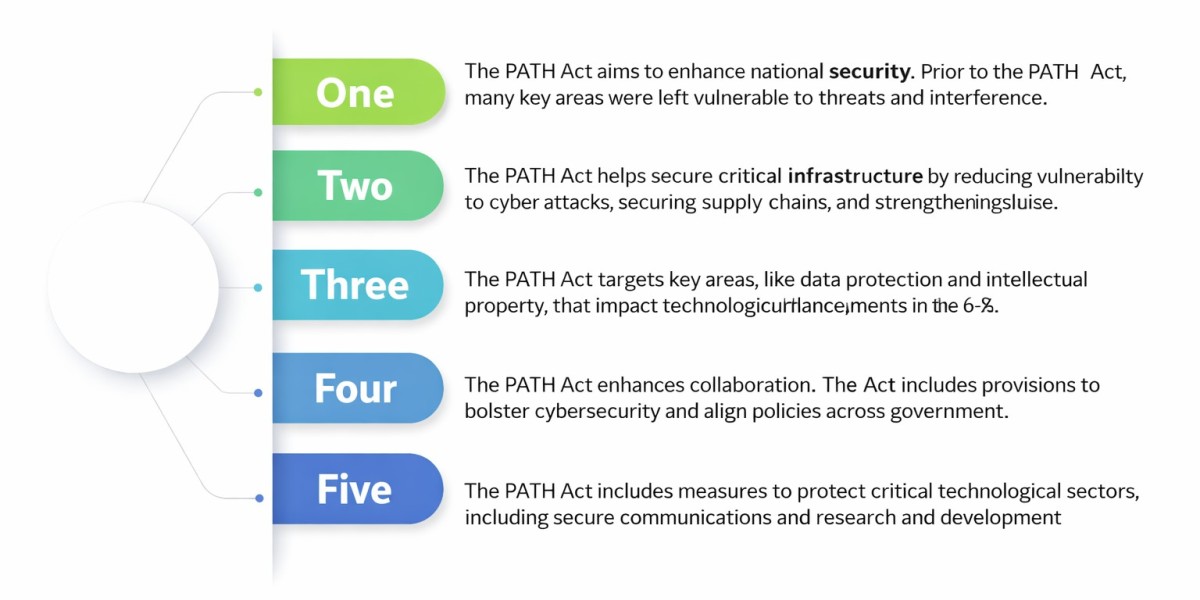

Every tax season, many taxpayers eagerly wait for their refunds, only to find that the payment takes longer than expected. One of the main reasons for this delay is the PATH Act, a law that directly affects when the IRS can issue certain refunds. In the 2026 tax filing season, the PATH Act 2026 continues to play an important role in determining refund timelines, especially for taxpayers who claim specific tax credits. Understanding how this law works can help you avoid confusion and plan your finances better.
What Is the PATH Act?
The Protecting Americans from Tax Hikes (PATH) Act, passed in 2015, introduced several rules to reduce tax fraud and improve the accuracy of tax refunds. One of its most important provisions requires the IRS to delay refunds for taxpayers who claim certain refundable credits, mainly the Earned Income Tax Credit (EITC) and the Additional Child Tax Credit (ACTC).
Under this law, the IRS is not allowed to issue these refunds before mid-February, even if the taxpayer files early. The goal is to give the IRS more time to verify income information and prevent fraudulent refund claims.
Because these credits are commonly claimed by millions of taxpayers each year, the PATH Act affects a large number of refunds every filing season.
Why the PATH Act Delays Refunds
Many taxpayers wonder why their refund is delayed even when their return is accepted quickly. The reason is that the PATH Act requires the IRS to hold the entire refund if the return includes EITC or ACTC.
The delay allows the IRS to:
- Verify wage information with employer reports
- Check for identity theft or fraudulent claims
- Ensure the taxpayer qualifies for the credit
- Prevent incorrect refunds from being issued
These extra checks help reduce fraud, but they also mean taxpayers may need to wait longer to receive their money. According to tax guidance, refunds affected by the PATH Act cannot be released before February 15, regardless of how early the return was filed.
Refund Timeline for 2026 Filing Season
For the 2026 tax season, the PATH Act rules remain the same, but the actual refund dates depend on the IRS processing schedule.
Here is the expected timeline for most taxpayers affected by the PATH Act:
- Refunds cannot be issued before February 15, 2026
- Because February 15 falls near a holiday, processing may begin a few days later
- Refund updates usually start around February 17–21
- Most refunds are expected between late February and early March
- Many taxpayers receive refunds by March 6, 2026, if there are no errors
Even though the IRS normally processes refunds within about 21 days, the PATH Act override means early filers claiming these credits must wait longer.
Who Is Affected by the PATH Act
Not every taxpayer will experience a delay. The PATH Act only applies if your return includes certain refundable credits.
You may be affected if you claim:
- Earned Income Tax Credit (EITC)
- Additional Child Tax Credit (ACTC)
You are usually not affected if you only claim:
- Standard Child Tax Credit (without ACTC)
- Education credits
- Retirement credits
- No refundable credits
If your return does not include EITC or ACTC, you may still receive your refund within the normal 21-day processing time.
Why the IRS Holds the Entire Refund
One important detail many taxpayers do not know is that the IRS must hold the entire refund, not just the credit portion.
For example:
- If your refund is $4,000
- And only $1,000 comes from EITC
- The IRS must still hold the full $4,000 until the PATH Act release date
This rule ensures the IRS can verify all information before sending any money.
Other Reasons Your Refund May Be Delayed
Even after the PATH Act hold is lifted, some refunds may still take longer due to other factors, such as:
- Incorrect bank information
- Filing errors
- Paper filing instead of e-file
- Identity verification checks
- Missing documents
- IRS backlog
In recent updates, the IRS has also encouraged taxpayers to use direct deposit because missing or incorrect payment details can delay refunds even further.
So if your refund arrives later than expected, it may not always be because of the PATH Act.
How to Get Your Refund Faster in 2026
While you cannot avoid the PATH Act delay if you claim EITC or ACTC, you can still reduce other delays by following these tips:
- File your tax return electronically
- Choose direct deposit instead of a paper check
- Double-check your Social Security numbers and income details
- File early, but expect the mid-February hold
- Use the IRS “Where’s My Refund” tool for updates
These steps help ensure your refund is processed as quickly as possible once the PATH Act hold is removed.
What This Means for Your Financial Planning
The PATH Act delay can affect budgeting for many families who rely on tax refunds for expenses such as rent, bills, or debt payments. Because refunds for some taxpayers may not arrive until late February or early March, it is important to plan ahead.
If you expect to claim EITC or ACTC in 2026, you should assume your refund will not arrive until after mid-February, even if you file on the first day of the tax season.
Understanding this timeline helps avoid stress and makes it easier to manage your finances.
Final Thoughts
The PATH Act continues to impact refund timelines in the 2026 tax season, especially for taxpayers claiming the Earned Income Tax Credit or Additional Child Tax Credit. While the delay can be frustrating, the rule exists to protect taxpayers and prevent fraud.
Most affected refunds will begin processing after February 15, with many payments arriving between late February and early March. By filing accurately, using direct deposit, and understanding the timeline, you can avoid surprises and know exactly when to expect your refund.
Knowing how the PATH Act works is the best way to stay prepared and make smarter financial decisions during tax season.