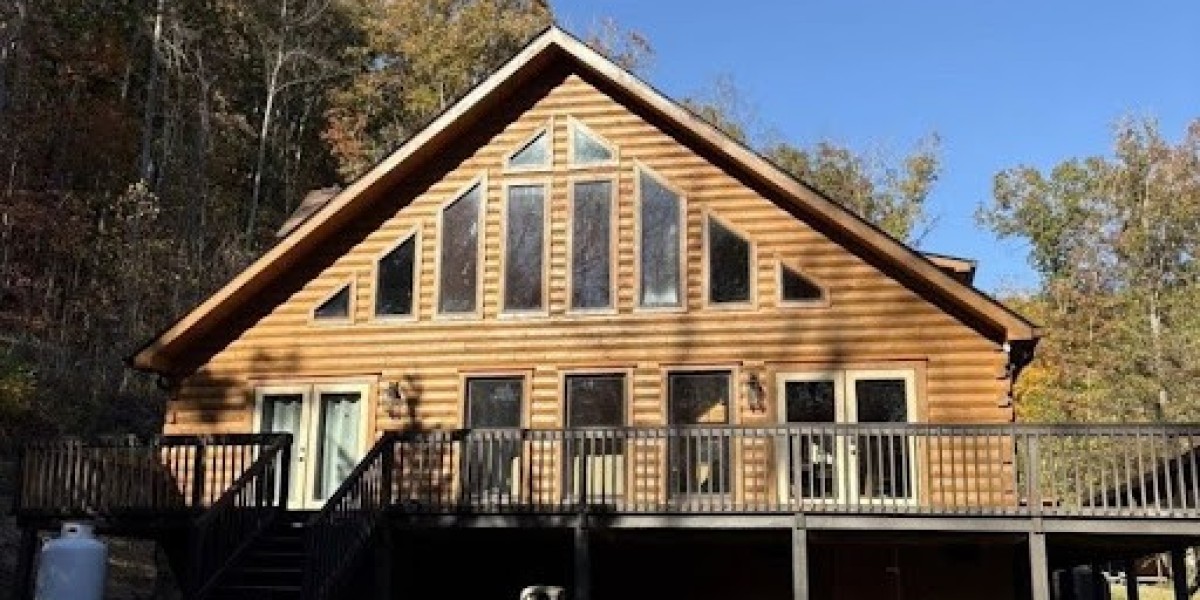

You love your cabin. That smell of pine, the creak of the floors, the way light hits the logs in the morning—it’s magic. But let’s be real, log cabins aren’t just pretty—they’re living structures. And like any living thing, they react to the world around them. Seasonal changes? They hit your logs hard. Rain, snow, freezing temps, blazing sun—they all want a piece of your cabin. That’s where log cabin caulking comes in. It’s not glamorous. It’s not sexy. But it’s the quiet hero that keeps your logs from falling apart one crack at a time.
Why Seasonal Shifts Are Brutal on Logs
Logs expand and contract with changes in moisture and temperature. Spring hits with rain and thawing snow. Summer bakes everything dry. Fall swings between cold nights and hot afternoons. Winter? Well, let’s just say ice is not your cabin’s friend. Each cycle stresses your logs, especially where two logs meet or where logs meet windows, doors, and corners. Without protection, gaps form. Cracks appear. Water sneaks in. And once moisture gets inside, rot, mold, and insect infestations can follow.
Some people think, “It’s just wood. It’ll survive.” Sure, maybe for a few years. But push it through ten, fifteen, twenty seasons, and you’re looking at major repairs. That’s why log cabin caulking isn’t optional if you actually want your cabin to last longer than your patience for maintenance.
What Caulking Actually Does
Let’s clear something up: caulking isn’t just “filling cracks.” Think of it as the sealant shield for your logs. Good log cabin caulking fills tiny gaps that form naturally as wood breathes. It keeps water out. It stops cold air from sneaking in. It even prevents insects from finding little nooks to nest in.
Most importantly, it handles movement. Logs shift. They settle. They shrink in winter and swell in summer. A flexible, high-quality caulk moves with your logs instead of cracking under pressure. This is why a lot of people underestimate caulking. You can’t see it doing anything flashy, but it’s literally holding your cabin together.
Timing Matters: When to Re-Caulk
Seasonal timing is everything. Caulking in the dead of winter? Forget it. The stuff won’t stick properly to frozen or wet wood. Wait until the temperatures are moderate and the wood is dry. That usually means late spring or early fall.
And here’s a pro tip: don’t just focus on the obvious cracks. Check around windows, doors, corners, and even under eaves where water tends to slide down the logs. If you’re seeing small gaps forming, it’s time. Don’t procrastinate—wood doesn’t forgive.
Finding the Right Help: Log Cabin Contractors Near Me
Sure, some folks think, “I’ll just DIY this.” Maybe you’re handy. Maybe not. Caulking a log cabin isn’t like sealing a shower. You need the right product, the right prep, and the right technique. That’s why hunting for log cabin contractors near me isn’t a bad idea.
These pros know the wood, the seasonal patterns, and the quirks of different caulk types. They can spot trouble areas you might miss. And yes, it costs a bit more than doing it yourself, but it’s an investment. One slip-up, one patch of missed caulk, and water’s inside before you even notice. Contractors also have access to high-grade, log-friendly sealants that last longer than your average hardware store tube.
If you do go DIY, get ready for prep work. Sanding, cleaning, scraping out old cracked caulk—it’s tedious, but skipping these steps is how mistakes happen. That said, nothing beats having an experienced eye walk the logs, point out stress spots, and handle the tricky corners.
Types of Caulking for Your Cabin
Not all caulks are created equal. For logs, you want something flexible, UV-resistant, and able to handle moisture shifts. Acrylic latex caulk is common and budget-friendly, but it can crack if logs move a lot. Polyurethane caulks are tougher, stick better, and handle expansion/contraction better—but they’re messier to work with. Silicone-based products are excellent for water resistance but sometimes struggle with adhesion on raw wood.
Mixing these ideas with your budget and skill level is key. Sometimes it’s worth spending a little extra upfront to save years of headaches and repairs.
Signs You’re Losing the Battle
You’ll know if your caulking is failing. Water stains inside, drafts near windows or doors, and tiny cracks in the wood that just keep growing are all warning signs. Sometimes insects will give it away before you even notice moisture. Carpenter ants, termites, or small beetles finding their way in are red flags.
Catch it early. Re-caulking isn’t fun, but it’s way cheaper than replacing rotted logs or battling mold. Think of it like maintenance on a car—you skip it, and eventually, you’re paying big.
Seasonal Maintenance Tips Beyond Caulking
Caulking alone won’t save your cabin. You still need to keep the logs stained, inspect for water pooling near the foundation, and trim back trees that drip moisture onto the walls. Gutters and downspouts? Make sure they’re directing water away. Even the best caulking can fail if water has nowhere to go but straight into your logs.
Seasonal checks, combined with proper caulking, are what keeps your cabin standing tall and looking good year after year. Don’t skip this. Your future self will thank you when you’re sipping coffee on the porch ten years from now, and your cabin isn’t a damp mess.
Conclusion
Seasonal changes aren’t gentle on log cabins. Expansion, contraction, moisture, freeze-thaw cycles—they all chip away at your logs if left unchecked. Log cabin caulking is the silent defender that keeps water, pests, and drafts out. It might seem minor, but it’s the difference between a cabin that thrives for decades and one that’s falling apart before you know it.
Whether you DIY or hire log cabin contractors near me in Winchester, Virginia, caulking properly is non-negotiable. Timing, technique, and the right material matter more than most homeowners realize. Stay ahead of seasonal damage, keep your logs healthy, and your cabin will reward you with comfort, warmth, and years of worry-free enjoyment. In the world of log cabins, caulking isn’t just maintenance—it’s survival.