
Precision manufacturing isn’t what it used to be. Not even close. Shops that were cutting parts five years ago are now dealing with tighter tolerances, weirder materials, and way less room for error. Somewhere in the middle of all that, Swiss type turning has quietly become the go-to for stuff that just can’t be off by even a hair. It’s not flashy tech, not in the way people hype AI or robotics. But it’s evolving. Fast. And if you’re in machining, or even just sourcing parts, you can feel the shift. Machines are getting smarter, setups are getting leaner, and expectations? Yeah, those keep climbing.
What’s Actually Changing in Swiss Type Turning
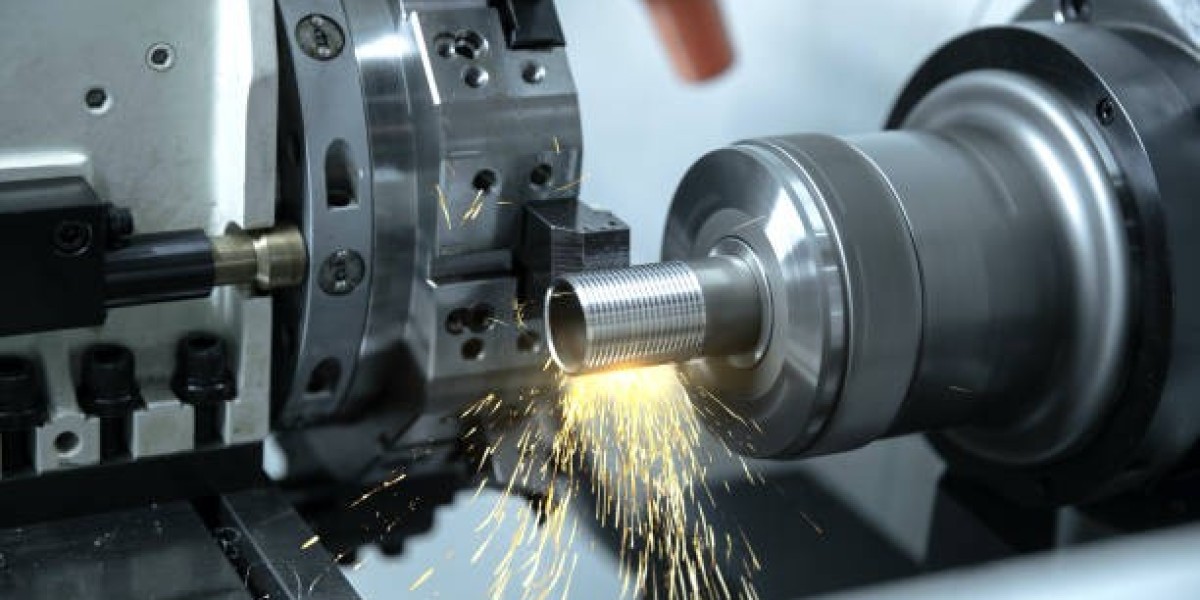
Let’s be real, the core idea hasn’t changed. Guide bushing, sliding headstock, and tight support close to the cut. That’s still the backbone. But everything around it? That’s where things are getting interesting. Modern Swiss machines now come loaded with better control systems, faster processing, and way more axes than most shops actually use. Not saying that as a complaint, just saying it takes skill to really use what’s there. And shops that do? They’re pulling off parts that used to require multiple setups, sometimes even multiple machines. Also, automation isn’t optional anymore. Bar feeders, part catchers, in-process inspection… It’s all part of the deal now. You either adapt or fall behind. Simple as that.
Tighter Tolerances, Less Margin for Error
The short answer is: tolerances are brutal now. Medical, aerospace, electronics, everyone wants precision down to microns, and they want it consistently. Swiss-type turning handles that pressure pretty well. Because the material is supported right at the cut, you don’t get that flex you’d see in traditional turning. That matters more than people think. A tiny bit of deflection can ruin an entire batch. And in 2026, shops are leaning harder into that advantage. Not just relying on machine rigidity, but pairing it with real-time monitoring. Tool wear tracking, thermal compensation, all that stuff. It’s not perfect, but it cuts down scrap. A lot.
Material Challenges Are Driving Innovation
Here’s the thing nobody talks about enough, materials are getting harder to machine. Not just literally harder, but more unpredictable. You’ve got exotic alloys, medical-grade stainless, weird composites. They don’t behave like standard aluminum or mild steel. They fight back. They eat tools. They heat up fast. So the innovation isn’t just in machines. It’s in tooling, coatings, and coolant strategies. High-pressure coolant systems, for example, are almost standard now in serious Swiss setups. They help break chips, control heat, and, honestly, save tools from dying early. Without that? You’re burning money. Fast.
The Rise of Swiss Style CNC Machining in Complex Parts
Right in the middle of all this, Swiss-style CNC machining has carved out a pretty solid niche. Especially for complex, small-diameter parts where geometry gets… messy. Think about components with multiple features, tight spacing, maybe cross holes, maybe threads that can’t be off at all. Old-school machining would mean multiple operations, more handling, more chances to mess it up. Swiss machines now handle that in one go. Live tooling, sub-spindles, back working, it’s all integrated. You start with bar stock, and out comes a finished part. Or close enough. Less handling means fewer errors. That’s the real win.
Automation Is No Longer a “Nice to Have”
Let’s not pretend shops have a choice here. Labor shortages are real. Skilled machinists aren’t exactly easy to find, and training takes time. So automation stepped in. Not to replace people entirely, but to fill the gaps. Lights-out machining is becoming more common. Machines running overnight, minimal supervision, just alarms if something goes wrong. But that only works if your process is solid. If your setup is shaky, automation just means faster mistakes. Smart shops are investing in process stability first, automation second. That order matters.
Software Is Quietly Running the Show
This part gets overlooked, but it shouldn’t. The software side of Swiss machining has improved a lot. CAM systems are better at handling complex toolpaths. Simulation tools catch collisions before they happen (most of the time). Even machine interfaces are getting more user-friendly, which helps, especially for newer operators. And then there’s data. Shops are collecting more of it than ever-cycle times, tool life, scrap rates. The good ones actually use it. They tweak processes, adjust speeds, and refine setups. The rest? They just let it sit there. Which is… kind of a waste.
Sustainability Is Creeping Into the Conversation
Not the most exciting topic, but it’s there. Customers are asking about it more. Regulations, too, depending on where you are. Swiss machining already has some built-in advantages, less material waste, efficient processes. But now shops are pushing further. Recycling coolant, reducing energy use, and optimizing cutting paths to minimize scrap.It’s not perfect. Still a long way to go. But compared to where things were a decade ago, yeah, it’s progress.
Wh ere This Is All Headed
If you’re expecting some massive breakthrough, like machines suddenly doing everything themselves… not quite. That’s not how this industry moves. It’s more incremental. Small improvements are stacking up. Better tools, smarter controls, tighter processes. Over time, that adds up to a big shift. The shops that stay competitive aren’t chasing every new thing. They’re picking what actually works and dialing it in. That’s the difference.
Conclusion
Swiss machining in 2026 isn’t about reinventing the wheel. It’s about refining it. Making it sharper, faster, and more reliable. Swiss style cnc machining still does what it’s always done, handle precision work better than most alternatives. But now it’s backed by smarter tech, better tooling, and processes that waste less and deliver more. Truth is, the demand for precision isn’t slowing down. If anything, it’s getting tougher. And the shops that figure this out, the ones that embrace these changes without overcomplicating things, they’re the ones sticking around.