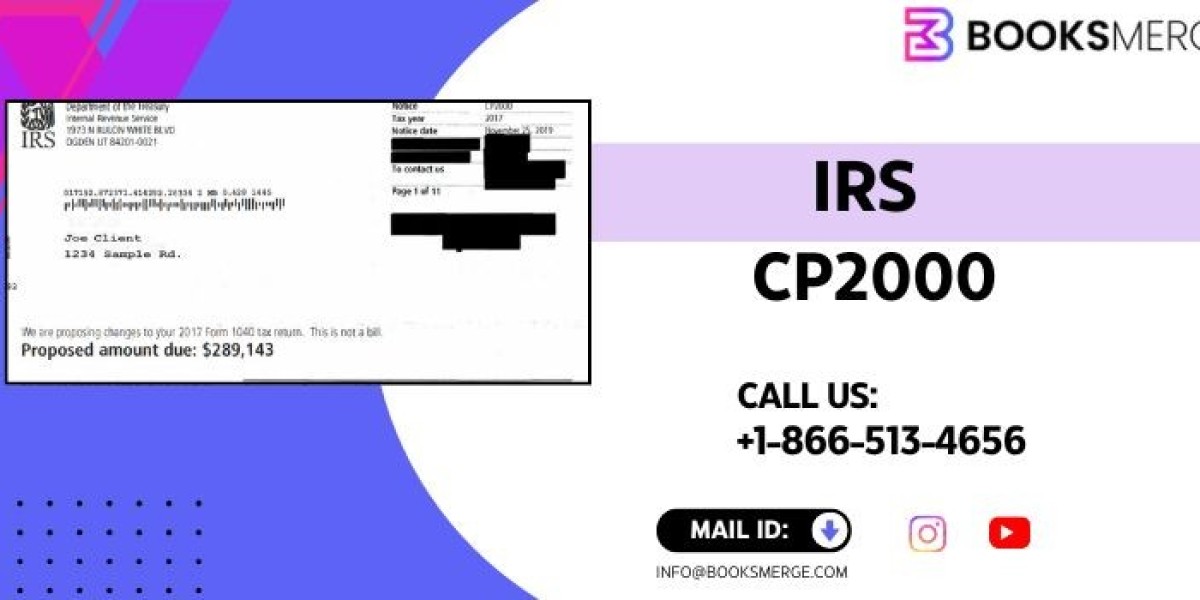

An IRS CP2000 letter is a notice that reports differences between the income on your tax return and information the IRS received from employers or financial institutions. Respond by reviewing the notice, verifying the information, and replying with documentation or corrections within the given deadline.
Table of Contents
What Is an IRS CP2000 Letter?
Why the IRS Sends a CP2000 Notice?
When Does the IRS Send CP2000?
What Happens If the IRS Sends a CP2000 Notice?
Step-by-Step Guide: How to Respond to IRS Notice CP2000
IRS CP2000 Response Letter Sample (Basic Format)
IRS CP2000 Status and Customer Service Options
Can a CP2000 Be Wrong?
What Happens If You Ignore a CP2000?
Does a CP2000 Trigger an Audit?
Penalties and Possible Outcomes
How Professionals Can Help?
Conclusion
Frequently Asked Questions
What Is an IRS CP2000 Letter?
An IRS CP2000 notice belongs to the IRS CP2000 series, which the Internal Revenue Service sends when it detects mismatched information between your tax return and the income reported by third parties.
The notice does not mean you are under audit. It simply informs you that the IRS believes there may be a difference in your reported income, deductions, or credits.
For example, if you forget to include a 1099 form from freelance work or investment income, the IRS system will flag the mismatch. The agency then sends a CP2000 notice asking you to review the proposed changes.
According to the IRS, the notice explains the issue, suggests corrections, and gives you the opportunity to agree or disagree with the proposed changes before the IRS adjusts your return.
Why the IRS Sends a CP2000 Notice?
The IRS uses automated matching systems to compare tax returns with third-party reports such as W-2s and 1099s. If the numbers do not match, the system triggers a CP2000 notice.
Common reasons include:
Missing income from freelance or contract work
Unreported stock or crypto transactions
Incorrect reporting of retirement distributions
Typing mistakes or data entry errors
Income reported under a different Social Security number
Many taxpayers panic when they see the letter. In reality, it often results from simple mistakes rather than intentional tax evasion.
When Does the IRS Send CP2000?
Many taxpayers ask, when does IRS send CP2000 notices?
The IRS usually sends them six months to two years after the original tax return was filed. The timing depends on when the IRS finishes matching income data from employers, banks, and financial institutions.
The notice typically arrives by mail and includes:
A summary of the IRS proposed changes
A breakdown of additional taxes, penalties, or interest
Instructions for agreeing or disputing the notice
The IRS encourages taxpayers to respond by the deadline listed on the letter.
What Happens If the IRS Sends a CP2000 Notice?
If the IRS sends a CP2000 notice, it proposes adjustments to your tax return. These changes might increase or decrease the tax you owe.
Possible outcomes include:
You agree and pay the updated tax balance
You partially agree and submit corrections
You disagree and provide documentation
The IRS does not immediately change your tax return until you respond or the response deadline passes.
This process gives taxpayers a fair chance to review the claim and provide proof if the IRS information appears incorrect.
Step-by-Step Guide: How to Respond to IRS Notice CP2000
Knowing how to respond to IRS notice CP2000 can save time, stress, and unnecessary penalties.
Follow these steps carefully.
1. Read the Notice Carefully
Start by reviewing every page of the CP2000 letter. The notice explains:
The income discrepancy
The IRS proposed changes
The response deadline
Never ignore the deadline.
2. Compare the IRS Information With Your Records
Check your tax return and compare it with documents such as:
W-2 forms
1099 forms
Brokerage statements
Bank records
Look for missing income or reporting mistakes.
3. Decide Whether You Agree or Disagree
You have two options:
Agree with the notice
If the IRS information is correct, sign the response form and return it. You can also pay the amount due or request a payment plan.
Disagree with the notice
If the IRS made an error, gather documents that prove your position and send them with the response form.
4. Send Your Response Before the Deadline
Most CP2000 notices require a response within 30 days.
Mail the signed response and documentation to the address listed in the notice.
5. Keep Copies for Your Records
Always keep copies of:
Your response
Supporting documents
Proof of mailing
These records help if further questions arise later.
You May Also Visit: A W-2 form is an official tax document employers provide to employees each year that reports total wages earned and the amount of federal, state, and other taxes withheld for tax filing.
IRS CP2000 Response Letter Sample (Basic Format)
Many taxpayers search for an IRS CP2000 response letter sample. While the response form usually comes with the notice, a short explanation letter can help clarify your position.
Example structure:
Taxpayer Name
Address
Date
Internal Revenue Service
Address from CP2000 Notice
Subject: Response to CP2000 Notice
Dear IRS Representative,
I received CP2000 notice number [reference number] regarding my tax return for the year [year].
After reviewing the information, I [agree/disagree] with the proposed changes. Attached are documents supporting my position.
Please review the enclosed information and update my records accordingly.
Thank you for your time and assistance.
Sincerely,
[Name]
Always attach relevant documents when sending a response.
IRS CP2000 Status and Customer Service Options
Taxpayers often search for IRS CP2000 status, IRS CP2000 customer service, or IRS gov CP2000 series chat online.
The IRS offers several ways to check your situation:
Call the phone number listed on your CP2000 notice
Review your tax account through IRS.gov
Contact the Automated Underreporter unit listed on the notice
The IRS does not currently provide a dedicated IRS gov CP2000 series live chat system. Most communication still occurs through mail or phone.
For taxpayers who need guidance, professional assistance can also help interpret the notice and prepare the response.
Can a CP2000 Be Wrong?
Yes. Many taxpayers ask how often is CP2000 wrong or can a CP2000 be wrong.
Mistakes can occur when:
A brokerage reports adjusted cost basis incorrectly
A taxpayer reports income under a different schedule
Duplicate forms get filed
Tax professionals frequently see CP2000 notices that require clarification rather than payment.
That is why reviewing the notice carefully remains essential before agreeing to the changes.
What Happens If You Ignore a CP2000?
Ignoring the notice can create bigger problems.
If you do not respond, the IRS may:
Finalize the proposed tax adjustment
Send a Statutory Notice of Deficiency
Add penalties and interest
Begin collection actions
Responding promptly prevents escalation.
Does a CP2000 Trigger an Audit?
A common fear is whether a CP2000 triggers an audit.
In most cases, the answer is no.
A CP2000 notice belongs to the Automated Underreporter Program, not the traditional audit process. The IRS simply asks you to review income discrepancies.
However, failing to respond or providing inaccurate information could lead to further review.
Penalties and Possible Outcomes
Some taxpayers worry about the penalty for CP2000 or even jail.
Here are the facts:
The IRS may charge accuracy related penalties, usually 20 percent of the additional tax.
Interest accumulates until the balance gets paid.
Jail rarely applies unless there is clear tax fraud.
Many cases resolve with corrected filings or simple payment plans.
How Professionals Can Help?
Responding to an IRS notice can feel overwhelming. A tax professional can review your records, prepare documentation, and communicate with the IRS on your behalf.
At Booksmerge, experts specialize in accounting, bookkeeping, payroll, tax resolution, and data migration services. The team helps individuals and businesses review CP2000 notices and prepare accurate responses.
If you need assistance responding to an IRS notice, you can contact Booksmerge at +1-866-513-4656 for professional guidance.
Conclusion
An IRS CP2000 notice may look intimidating, but it usually signals a simple income mismatch rather than a full audit. The key lies in reviewing the notice carefully, comparing it with your records, and responding within the deadline.
Many CP2000 cases resolve quickly once taxpayers provide the correct documents or clarify reporting errors. Ignoring the notice, however, can lead to additional taxes and penalties.
If the process feels confusing, professional tax support can simplify the response and help protect your financial records.
Frequently Asked Questions
1. What should I do if I get a CP2000?
Review the notice carefully, compare it with your tax documents, decide whether you agree or disagree, and respond with supporting documents before the deadline listed in the notice.
2. How long do you have to respond to a CP2000 notice?
Most CP2000 notices require a response within 30 days from the date printed on the letter.
3. What comes after CP2000?
If you respond, the IRS reviews your explanation and sends a follow-up letter confirming the adjustment or requesting more information.
4. Is a CP2000 bad?
No. A CP2000 simply identifies a possible reporting difference. Many taxpayers resolve it by clarifying information or correcting simple mistakes.
5. Will IRS catch unreported income?
Yes. The IRS compares tax returns with employer and financial institution reports, which helps identify missing income.
Read Also: How to fill out a 1040 form