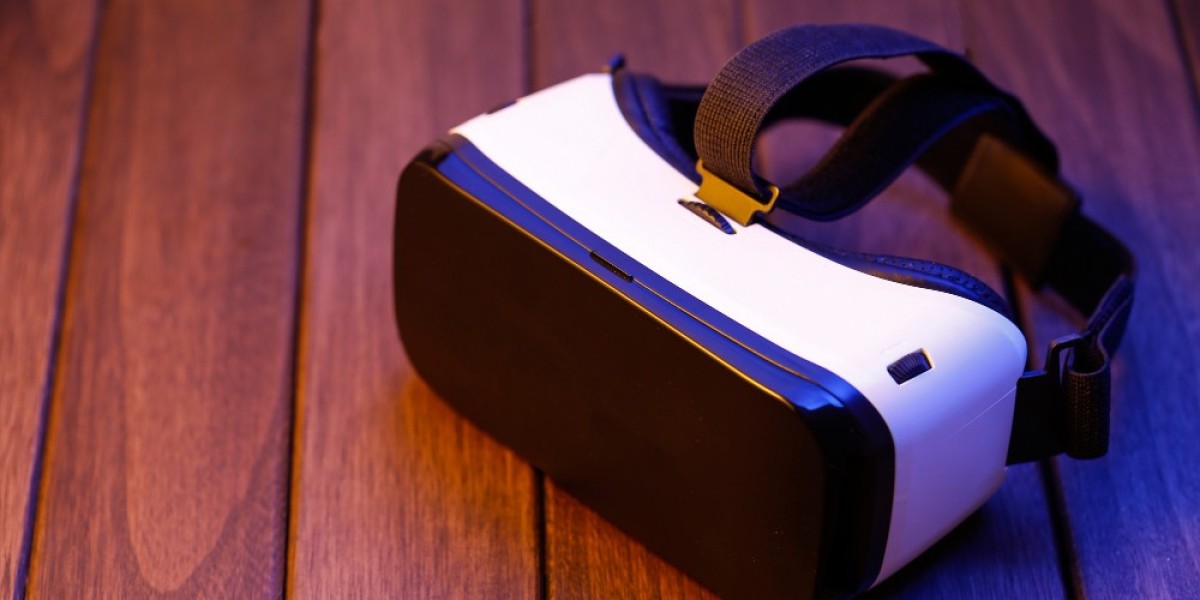

Virtual reality (VR) technology is designed to create immersive digital environments that feel realistic and comfortable to the user. However, many users still experience common issues while using VR headsets, such as bulky device design, visual distortion, or limited image clarity. These problems can reduce comfort and make long VR sessions difficult.
In many cases, these issues are related to the optical system used inside the headset. The optical module plays a key role in controlling how images from the display reach the user’s eyes. A modern Pancake optical module is designed to solve these problems by improving optical efficiency while allowing thinner and lighter headset designs.
In this article, we will explore the challenges caused by traditional VR optical systems and explain how pancake optical modules help improve VR viewing performance.
Bulky VR Headsets Caused by Traditional Optics
One of the biggest complaints about VR headsets is their large and heavy design. Traditional optical systems often require a long distance between the display and the lens to properly focus the image. This design increases the size and weight of the headset.
A bulky headset can cause discomfort during extended use. Users may feel pressure on their face or neck after wearing the device for long periods.
A Pancake optical module uses folded optical paths with multiple reflective elements. This design reduces the distance between the display and the lens while maintaining image quality.
As a result, VR headsets can become thinner, lighter, and more comfortable for everyday use.
Image Distortion in VR Displays
Another common issue in VR systems is image distortion. Sometimes objects inside the virtual environment may appear stretched, curved, or slightly warped. This distortion can reduce immersion and make the visual experience feel unnatural.
Distortion often occurs when the optical system cannot properly control the path of light between the display panel and the viewer’s eyes.
Advanced pancake optical modules use precise optical elements to guide and shape the light path. This helps maintain accurate image geometry, allowing objects in the virtual environment to appear natural and stable.
Better optical control improves the realism of VR experiences.
Limited Image Clarity and Resolution
Image clarity is essential for a good VR experience. If the optical system is not efficient, users may notice reduced sharpness, especially when viewing text or detailed graphics.
Traditional lenses sometimes struggle to deliver clear images across the entire viewing area. The edges of the display may appear less sharp than the center.
Pancake optical modules are designed to enhance optical performance by improving light efficiency and image focus. These systems help maintain consistent clarity across the field of view.
Clear visuals are especially important for applications such as VR training, gaming, and professional simulations.
Light Efficiency and Brightness Challenges
Another challenge in VR optics is maintaining brightness while controlling the light path. Some optical systems lose a significant amount of light during transmission, making the display appear dim.
Low brightness can reduce the visibility of virtual objects, particularly in environments that require detailed visualization.
Modern pancake optical modules are engineered to optimize light efficiency through carefully designed optical coatings and reflective components. These improvements help maintain strong brightness while preserving image quality.
Better brightness contributes to a more immersive and visually comfortable VR experience.
Applications of Pancake Optical Modules
Pancake optical modules are becoming increasingly popular in modern AR and VR devices due to their compact design and strong optical performance.
Common applications include:
Virtual reality headsets
Augmented reality devices
Mixed reality systems
Smart wearable displays
Professional simulation equipment
These technologies rely on advanced optical modules to deliver high-quality digital visuals.
Conclusion
Many VR users experience issues such as bulky headsets, distorted visuals, or reduced image clarity. These problems often occur because traditional optical modules require larger designs and less efficient light control.
A well-designed Pancake optical module addresses these challenges by using folded optical paths and advanced optical components. This technology allows VR headsets to become thinner, lighter, and more visually efficient.
With improved image clarity, better brightness, and compact design, pancake optical modules play an important role in enhancing the overall VR experience for modern users.