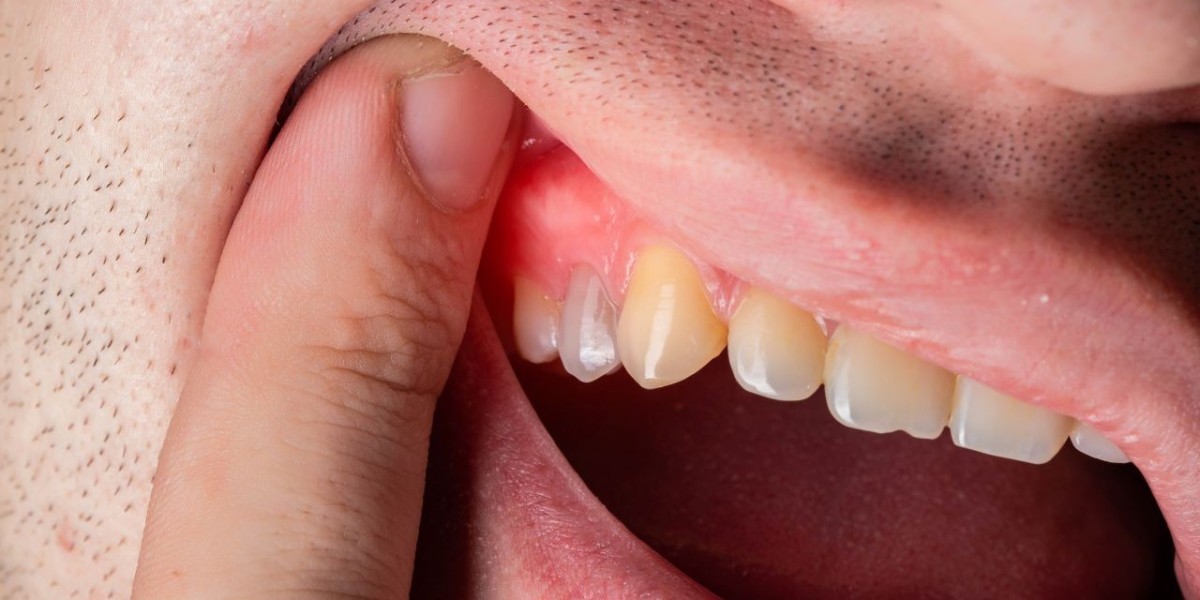

Experiencing a gum pimple can be uncomfortable and worrying. While most people associate pimples with skin, your gums are also prone to small, inflamed bumps. These are often caused by bacterial infections, irritation, or underlying dental issues. Understanding the causes, symptoms, and treatment options can help you address gum pimple pain effectively and prevent further complications.
What Is a Gum Pimple?
A gum pimple is a small, pus-filled bump that appears on your gums. Also called a gum boil or dental abscess, it usually forms as a result of a bacterial infection near a tooth root or in the gum tissue. The bump may appear red or white and can cause tenderness, swelling, or mild discomfort. In some cases, a gum pimple may even release a small amount of pus or fluid, which is a sign that your body is fighting an infection.
While most gum pimples are not life-threatening, they should not be ignored. Prompt attention can prevent the infection from spreading to surrounding teeth or even the jawbone.
Common Causes of Gum Pimples
There are several reasons you might develop a gum pimple, including:
Dental Infections: A bacterial infection at the root of a tooth can lead to a pus-filled bump on the gum.
Gum Disease: Early-stage gingivitis or advanced periodontitis can cause inflammation, which sometimes manifests as a gum pimple.
Irritation or Injury: Accidentally biting your gum, brushing too hard, or using a toothbrush with hard bristles can trigger localized inflammation.
Impacted Food Particles: Food stuck between teeth and gums may encourage bacterial growth, resulting in a gum pimple.
Understanding the cause is essential for determining the appropriate treatment and alleviating discomfort effectively.
Symptoms to Watch For
Identifying a gum pimple early can help you prevent serious dental complications. Common symptoms include:
A small, swollen bump on the gums, usually white or red
Pain or tenderness in the affected area
Bad breath or a foul taste in your mouth
Swelling in nearby gum tissue
Sensitivity when chewing or biting
If you notice persistent pain, fever, or swelling spreading to your face, it’s important to seek professional care. Dentists, such as Broadway Family Dentistry, can evaluate your condition and recommend the best treatment to manage the infection and relieve pain.
How Gum Pimples Are Diagnosed
Dentists diagnose a gum pimple through a combination of visual inspection and X-rays. The examination helps determine whether the infection is localized to the gum tissue or involves the tooth root.
During the check-up, your dentist may:
Examine the gum for redness, swelling, and pus discharge
Take dental X-rays to identify abscesses or bone involvement
Assess oral hygiene habits and possible causes of irritation
Early diagnosis ensures that the underlying problem is treated before it escalates, minimizing the risk of tooth loss or further infection.
Home Remedies for Gum Pimple Relief
While professional dental care is essential, certain home remedies can help reduce discomfort until you can visit a dentist. These remedies include:
Saltwater Rinse: Rinse your mouth with warm salt water to reduce inflammation and cleanse the area.
Cold Compress: Applying a cold compress externally can help relieve swelling and pain.
Maintain Oral Hygiene: Brush gently and floss carefully to prevent further irritation.
Over-the-Counter Pain Relief: Ibuprofen or acetaminophen may help manage pain temporarily.
Remember, these remedies are supportive measures and do not replace professional treatment for a gum pimple caused by infection.
Professional Treatments for Gum Pimples
If a gum pimple persists or worsens, professional treatment is necessary. Dentists can provide solutions such as:
Drainage of Abscess: Removing pus to relieve pain and prevent spread of infection
Root Canal Therapy: Treating infected tooth roots to eliminate the source of the gum pimple
Antibiotics: Prescribing medication to fight bacterial infection
Gum Surgery: In severe cases, minor surgery may be needed to remove affected tissue
Professional intervention ensures the infection is treated completely, reducing the likelihood of recurrence and protecting overall oral health.
Prevention Tips for Gum Pimples
Preventing gum pimples involves maintaining excellent oral hygiene and monitoring your gums for early signs of trouble. Some preventive strategies include:
Brushing twice daily with a soft-bristled toothbrush
Flossing regularly to remove trapped food particles
Rinsing with antibacterial mouthwash
Attending routine dental check-ups
Avoiding excessive sugary foods and drinks that promote bacterial growth
A proactive approach can significantly reduce the chances of developing a painful gum pimple.
When to See a Dentist
While some minor gum pimples may resolve on their own, it’s important to consult a dentist if you experience:
Persistent pain or swelling lasting more than a few days
Pus drainage that continues or worsens
Fever or other signs of systemic infection
Swelling spreading to the face or neck
Early intervention by a dental professional, such as the team at Broadway Family Dentistry, ensures proper treatment and helps avoid serious complications.
A gum pimple may seem small and manageable, but it’s often a signal of underlying dental issues. Recognizing the symptoms, understanding the causes, and seeking timely professional care can alleviate discomfort and protect your oral health. By combining good oral hygiene, preventive care, and prompt treatment, you can keep your gums healthy and minimize the risk of recurring infections.