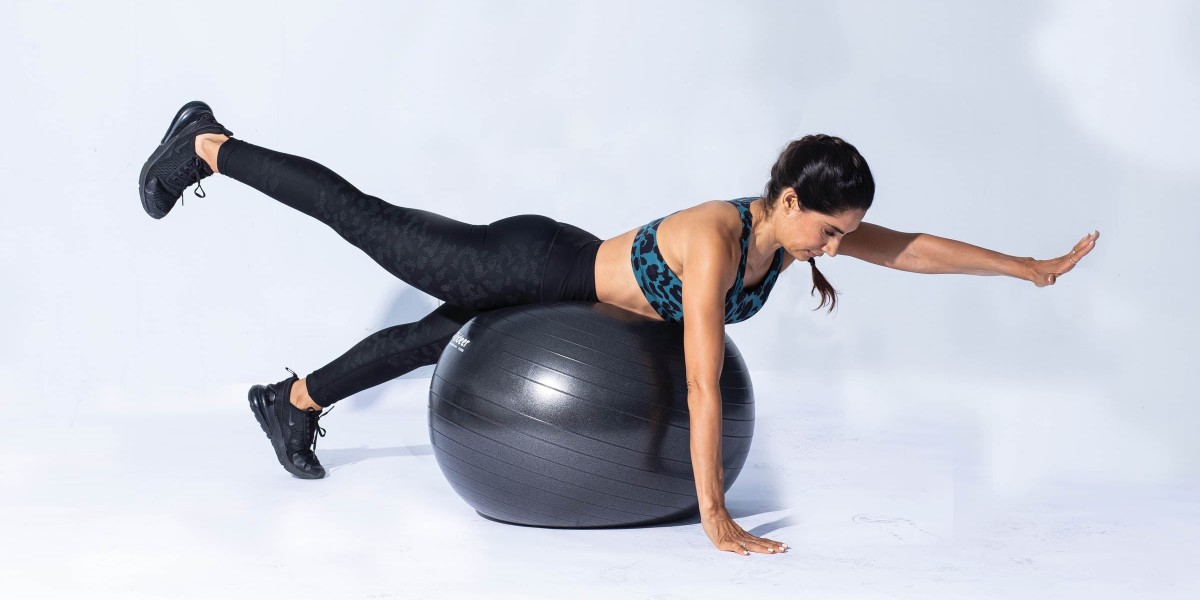

Yoga is not just about flexibility; it’s about building balance, stability, and strength. One of the most versatile tools for enhancing these aspects is the yoga ball. Also known as a stability ball, exercise ball, or Swiss ball, the yoga ball can transform simple routines into effective workouts that engage multiple muscle groups simultaneously. For beginners, incorporating Yoga Ball Exercises into a daily routine can significantly enhance core strength, coordination, and overall fitness.
In this guide, we’ll explore beginner-friendly Yoga Ball Exercises that improve balance and provide tips on getting the most out of your sessions.
Why Use a Yoga Ball for Beginners
A yoga ball is more than just a prop; it’s an excellent tool for low-impact workouts. Unlike traditional floor exercises, Yoga Ball Exercises require constant engagement of your core muscles to maintain stability. This makes each movement more effective in building strength and improving balance.
For beginners, the yoga ball also reduces the risk of injury. Its soft, inflatable surface cushions joints and supports your back during seated or lying exercises. Beginners often find traditional floor exercises intimidating or difficult to maintain, but the yoga ball provides gentle assistance while still challenging stability.
Additionally, yoga balls are highly versatile. They can be used for strength training, stretching, rehabilitation, or even as a chair to engage muscles while sitting. For those new to fitness, this adaptability makes them an ideal introduction to functional exercise.
Getting Started Safely with a Yoga Ball
Before diving into specific Yoga Ball Exercises, safety should be your first priority. Beginners need to choose the right size ball. Generally, when sitting on a yoga ball, your thighs should be parallel to the floor, and your knees should bend at a 90-degree angle.
Start by practicing basic seated exercises. Simply sitting on the ball with feet firmly on the ground and engaging your core muscles helps build stability. Once comfortable, you can progress to gentle movements such as small hip circles or bouncing slightly while maintaining balance.
Always ensure that the ball is properly inflated. An under-inflated ball reduces effectiveness, while an over-inflated ball increases the risk of slipping. Additionally, performing exercises on a non-slip surface adds another layer of safety for beginners.
By following these precautions, you’ll set a solid foundation for advancing to more challenging Yoga Ball Exercises without unnecessary strain.
Core Benefits of Yoga Ball Exercises for Health and Wellness
Incorporating Yoga Ball Exercises into your routine can have a transformative effect on your Health and Wellness. Beyond improving balance, these exercises strengthen the deep core muscles, which support proper posture and prevent back pain.
Many beginners underestimate the importance of core stability. A strong core not only improves athletic performance but also enhances daily functional movements, such as bending, lifting, and reaching. Using a yoga ball for core workouts forces your abdominal and lower back muscles to engage continuously, creating a more effective workout than traditional floor exercises.
Moreover, the instability of the yoga ball encourages proprioception—the body’s awareness of position in space. This improves coordination and balance, which is particularly beneficial for older adults or anyone recovering from an injury. Over time, practicing these exercises consistently can boost overall energy levels, reduce tension, and enhance mind-body awareness.
Beginner-Friendly Seated Balance Exercises
Seated exercises on a yoga ball are ideal for those just starting their journey. Begin by simply sitting upright with feet flat on the floor, maintaining a neutral spine. Slowly lift one foot off the ground and hold for 10 seconds, alternating sides. This simple action activates your core while enhancing balance.
Another effective exercise is the seated pelvic tilt. Sit on the ball and gently rock your pelvis forward and backward. This engages the lower back and abdominal muscles while promoting flexibility. You can also try gentle torso twists. With feet firmly on the ground, rotate your upper body from side to side, keeping your core engaged.
These seated Yoga Ball Exercises require minimal equipment and space, making them perfect for home workouts. Beginners often find that even a few minutes of these movements daily yield noticeable improvements in posture and stability.
Yoga Ball Wall Squats for Leg Strength
Wall squats with a yoga ball are an excellent way to strengthen the legs while maintaining balance. Place the ball between your lower back and a wall, then slowly bend your knees as if sitting into an invisible chair. Hold the position for 10–20 seconds before returning to standing.
This exercise targets the quadriceps, hamstrings, and glutes while forcing your core to stabilize your body. Beginners may start with shorter holds and gradually increase the duration as strength and confidence improve.
Adding Yoga Ball Exercises like wall squats to your routine not only tones leg muscles but also enhances functional strength. This makes everyday activities such as climbing stairs or lifting objects easier and safer.
Plank Variations Using a Yoga Ball
Planks are a staple in core training, and the yoga ball adds an extra challenge. Begin by placing your forearms on the ball while extending your legs behind you in a standard plank position. The unstable surface forces your abdominal, back, and shoulder muscles to engage more intensely.
For beginners, a modified version can involve resting your knees on the floor while keeping forearms on the ball. Hold this position for 10–20 seconds, gradually increasing as your core strength improves.
You can also try rolling the ball slightly forward and backward during the plank. This dynamic variation further engages stabilizing muscles and improves overall balance. Incorporating these plank variations into your routine strengthens the core, improves posture, and enhances overall body control.
Bridge Exercises for Glutes and Lower Back
The bridge is another highly effective Yoga Ball Exercise for beginners. Lie on your back with your feet on the ball and hands by your sides. Slowly lift your hips toward the ceiling while squeezing your glutes. Pause briefly at the top and then lower back down.
This exercise targets the glutes, hamstrings, and lower back, while engaging the core for balance. Beginners can modify the movement by keeping feet flat on the floor before progressing to the ball version.
Incorporating bridges into your routine enhances stability and balance, which is essential for improving posture and preventing lower back pain. Over time, these exercises contribute to a stronger, more aligned body.
Stretching and Cool-Down on the Yoga Ball
After completing your Yoga Ball Exercises, a proper cool-down is essential to prevent soreness and maintain flexibility. Gentle stretches on the ball can help elongate muscles while promoting relaxation.
One effective stretch is the back extension. Lie face down over the ball with your feet on the floor. Gently lift your chest and extend your spine, holding for 15–30 seconds. Another stretch involves sitting on the ball and reaching your arms overhead, elongating the spine and shoulders.
Cool-down stretches not only aid muscle recovery but also enhance body awareness and coordination. Beginners benefit from these stretches as they help maintain flexibility and reduce the risk of injury during future sessions.
Tips for Consistent Practice and Progression
Consistency is key when practicing Yoga Ball Exercises. Start with short, manageable sessions of 10–15 minutes, gradually increasing duration as your strength and confidence grow. Aim to incorporate a mix of core, leg, and balance exercises to achieve a well-rounded routine.
Track your progress by noting improvements in balance, endurance, and muscle strength. As you become more comfortable, introduce dynamic movements, additional repetitions, or hold times to continue challenging your body.
Investing in a high-quality yoga ball and maintaining proper inflation ensures safety and effectiveness. Remember, the goal is gradual improvement—overexertion can lead to injury. With regular practice, beginners will notice enhanced balance, improved posture, and a stronger core, all contributing to overall Health and Wellness.
In conclusion, Yoga Ball Exercises are an excellent way for beginners to improve balance, build core strength, and support overall Health and Wellness. With a few simple exercises and consistent practice, anyone can incorporate this versatile tool into their fitness routine. From seated balance drills to dynamic planks and glute bridges, the yoga ball opens a world of possibilities for safe, effective, and enjoyable workouts.
By focusing on proper form, progression, and consistency, beginners can enjoy long-term benefits such as better posture, increased stability, and a stronger, more balanced body. Whether at home or in a studio, integrating Yoga Ball Exercises into your daily routine is a practical and rewarding way to enhance your fitness journey.