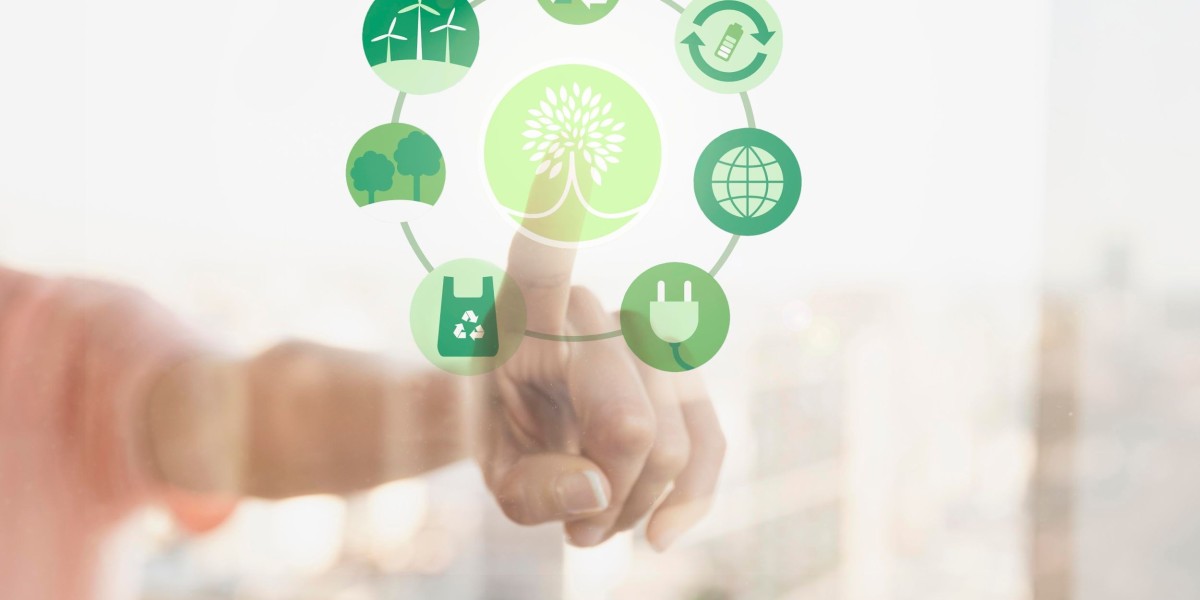

The conversation around green buildings has entered a new phase as climate goals become more urgent and more measurable. For many years, LEED certification shaped how architects, engineers, and owners defined sustainability, offering a clear framework for energy efficiency, water savings, and healthier indoor environments. Now, a stronger emphasis on carbon reduction is reshaping expectations, pushing the industry to think beyond checklists and toward deeper climate impact. This shift is not about replacing earlier standards, but about expanding what it truly means to build green in a carbon-constrained world.
The evolution of green building standards
Green building standards did not appear overnight. They evolved in response to rising awareness about resource depletion, indoor air quality, and long term operating costs. Early sustainable design efforts focused on reducing obvious waste, such as excessive water use or inefficient lighting. Over time, these ideas became formalized into rating systems that could be widely adopted and compared across projects.
What made these systems powerful was their ability to translate complex environmental goals into practical design decisions. Designers could earn points, owners could market performance, and occupants could enjoy healthier spaces. As climate science advanced, however, it became clear that efficiency alone would not address the scale of emissions tied to the built environment. Buildings are responsible for a significant share of global carbon output, not only through operations but also through materials and construction processes.
Understanding the traditional LEED framework
At its core, LEED provided a structured way to assess building performance across multiple categories. Energy efficiency played a central role, but it was balanced with considerations such as site selection, water management, materials, and indoor environmental quality. This holistic approach helped mainstream sustainability and made green design accessible across many building types.
The strength of this framework lies in its flexibility. Projects could pursue different strategies depending on climate, budget, and program needs. A school might focus on daylighting and air quality, while an office tower might prioritize energy systems and transit access. Over time, updates to the system incorporated more rigorous energy modeling and performance tracking, signaling a gradual move toward deeper impact.
Still, the system has often been critiqued for emphasizing relative improvement rather than absolute carbon outcomes. A highly rated building could still contribute significantly to emissions if it relied on carbon intensive energy sources or materials.
Why decarbonization is gaining priority
The growing focus on carbon reduction reflects a broader shift in climate policy and corporate responsibility. Governments, cities, and institutions are setting net zero targets with specific timelines. These goals require not just incremental efficiency gains, but transformative change in how buildings are designed, powered, and constructed.
Decarbonization places carbon accounting at the center of decision making. Instead of asking how efficient a building is compared to a baseline, the question becomes how much carbon it emits over its entire life cycle. This includes operational emissions from energy use as well as embodied carbon from materials like concrete, steel, and glass.
This perspective challenges traditional practices. It pushes teams to consider renewable energy, electrification, low carbon materials, and adaptive reuse earlier in the design process. It also encourages transparency through carbon reporting and performance verification.
LEED and the carbon conversation
Rather than standing apart from this shift, LEED has increasingly integrated carbon related metrics. Energy performance thresholds have tightened, and greater emphasis has been placed on building commissioning and ongoing performance. Credits related to renewable energy procurement and demand response reflect the changing energy landscape.
Yet the comparison between LEED and a pure decarbonization focus highlights an important distinction. LEED remains a multi issue framework, balancing carbon with other sustainability goals such as water conservation and occupant health. A decarbonization driven approach, by contrast, often prioritizes carbon reduction above all else, sometimes accepting tradeoffs in other areas to achieve emissions targets.
This difference matters for project teams. Choosing how to balance these priorities requires clarity about goals, regulatory context, and long term operational plans.
Operational carbon versus embodied carbon
One of the most significant changes brought by the decarbonization movement is attention to embodied carbon. Traditional green building standards emphasized operational efficiency because energy use during occupancy was easier to measure and reduce. Advances in modeling and data availability now make it possible to estimate the carbon impact of materials and construction methods.
Reducing embodied carbon can involve selecting alternative materials, optimizing structural systems, or reusing existing buildings instead of demolishing them. These decisions often occur early in the design process, long before energy systems are finalized. As a result, architects and engineers are collaborating more closely from the outset to align structural, architectural, and environmental goals.
This life cycle perspective encourages long term thinking. A slightly less efficient building that avoids high carbon materials may perform better from a climate standpoint over decades of use.
Design strategies shaped by decarbonization
A stronger carbon focus is influencing design strategies across scales. At the site level, compact development and access to transit reduce transportation emissions. At the building level, electrification of heating and cooling systems allows projects to benefit from cleaner power grids over time.
Envelope design is also evolving. High performance insulation and glazing remain important, but they are now evaluated alongside material impacts. Designers may choose assemblies that balance thermal performance with lower embodied carbon.
On the systems side, integrating on site renewables and energy storage supports resilience while reducing reliance on fossil fuels. These approaches align with broader decarbonization strategies that extend beyond individual buildings to neighborhoods and campuses.
The role of policy and market demand
Policy signals are accelerating these changes. Building performance standards, carbon disclosure requirements, and incentives for clean energy are reshaping what is considered best practice. In many regions, compliance with energy codes is no longer enough to demonstrate leadership.
Market demand is also shifting. Tenants, investors, and occupants increasingly value climate aligned buildings. They are looking for credible pathways to lower emissions, not just labels. This demand is driving innovation and encouraging voluntary adoption of ambitious carbon goals.
In this context, green building standards serve as both a guide and a benchmark. They help translate policy and market expectations into actionable criteria for design and construction teams.
Integrating LEED and decarbonization goals
For many projects, the most effective approach is not choosing one framework over another, but integrating them. LEED can provide a broad sustainability foundation, while targeted carbon metrics ensure alignment with climate goals. This combination supports balanced decision making that accounts for health, equity, and environmental impact.
Project teams are learning to use energy and carbon modeling as design tools rather than compliance checks. Early scenario analysis helps identify tradeoffs and opportunities, allowing teams to prioritize measures with the greatest impact.
Education and collaboration are key. As owners and designers become more fluent in carbon concepts, they can better leverage both traditional standards and emerging practices.
Challenges and opportunities ahead
The shift toward decarbonization is not without challenges. Data quality, modeling assumptions, and cost considerations can complicate decision making. Smaller projects may lack the resources to conduct detailed carbon analysis, while supply chains for low carbon materials are still developing.
At the same time, these challenges create opportunities for innovation. New tools, design methods, and procurement practices are emerging to support carbon conscious building. As experience grows, best practices will become more accessible and cost effective.
The evolution of standards reflects a broader cultural change within the building industry. Sustainability is no longer a niche concern, but a core measure of quality and responsibility.
Final thought
Green building standards are at a turning point. The comparison between LEED and a stronger decarbonization focus reveals not a conflict, but a progression toward deeper impact. As climate urgency reshapes priorities, the industry is learning to measure success not just by efficiency, but by meaningful reductions in carbon over time. By combining holistic frameworks with clear climate goals and practical decarbonization strategies, the built environment can move closer to a future that is resilient, responsible, and aligned with global climate commitments.