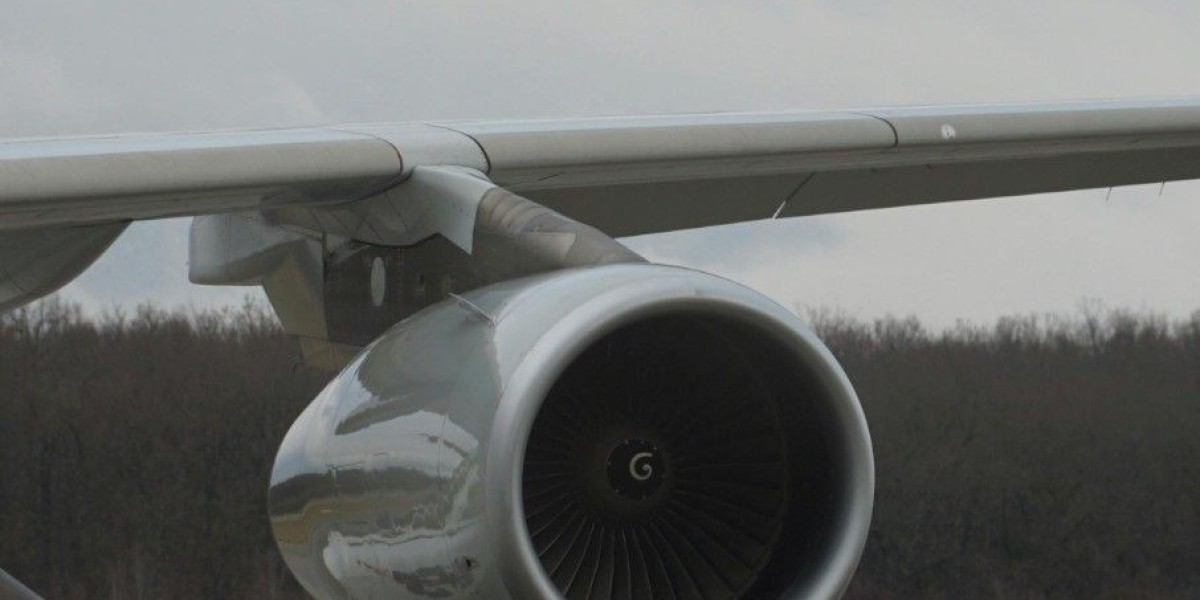

A modern Pilot Training School in India is no longer limited to basic flying lessons and classroom theory. Today’s aviation academies use advanced aircraft, glass cockpits, and high-fidelity simulators to prepare students for real airline environments. With India’s aviation industry expanding rapidly, airlines prefer candidates trained with technology, precision, and strong safety awareness from day one.
From DGCA-approved ground classes to simulator-based emergency drills and real aircraft flying hours, the training approach has become practical, immersive, and industry-oriented. This blend of theory, simulation, and live flying builds confident pilots ready for Commercial Pilot License (CPL) success.
Why Modern Aircraft Are Essential in a Pilot Training School in India
The type of aircraft used for training shapes a pilot’s foundation. Leading academies operate Cessna 172, Piper PA-28, and Diamond DA40 aircraft equipped with digital avionics and glass cockpit displays.
Students learn to handle:
- GPS navigation and autopilot modes
- Digital flight instruments and cockpit displays
- Real-time communication systems
- Airline-style cockpit layouts
This early exposure reduces the transition gap when pilots move to commercial jets after CPL.
Flight Simulator Training: The Core of Modern Aviation Learning
Flight simulators replicate real flying conditions without risk. They allow students to practice complex and emergency situations repeatedly until they master decision-making.
Simulator sessions cover:
- Engine failure procedures
- Instrument Flying Rules (IFR)
- Night flying practice
- Bad weather approaches
- Emergency landings and diversions
Such training builds confidence that pure theory can never provide.
DGCA Guidelines and Structured CPL Training
Every reputed Pilot Training School in India follows DGCA norms for CPL training. Students must complete ground subjects, simulator hours, and a minimum of 200 flying hours.
Ground training includes:
- Air Navigation
- Meteorology
- Air Regulation
- Technical General and Specific
This structured path ensures students meet licensing requirements smoothly and on time.
Professional Infrastructure That Creates Skilled Pilots
Modern academies provide a professional aviation ecosystem:
- Smart classrooms for interactive learning
- Weather briefing and navigation labs
- Aircraft maintenance hangars
- Access to operational airfields
- Certified flight instructors
In the middle of training, students notice how reputed Aviation Schools in India integrate classroom knowledge with cockpit exposure, creating industry-ready pilots.
Role of Experienced Flight Instructors and Mentorship
Experienced captains and DGCA-certified instructors guide students throughout their journey. They teach:
- Standard operating procedures
- Radio communication discipline
- Emergency decision-making
- Professional cockpit behavior
Such mentorship shapes students into responsible aviators, not just license holders.
Technology Integration in Pilot Training
Digital tools are now part of everyday aviation learning:
- Flight planning software
- Real-time weather tracking
- Advanced navigation systems
- Glass cockpit familiarization
This environment ensures students adapt quickly to airline operations after training.
Safety, Maintenance, and Aircraft Checks
Aircraft undergo strict inspections by certified engineers before every flight. Routine maintenance and safety audits ensure reliable training conditions.
Simulators are also updated regularly to match real cockpit software and instrumentation for realistic practice.
Career Scope After CPL Training
After CPL completion, students can apply for:
- Domestic airlines
- International carriers
- Cargo aviation
- Charter services
- Flight instructor positions
Training with modern aircraft and simulators gives students a strong advantage during airline selection rounds.
How to Choose the Right Pilot Training School in India
Before enrolling, students should verify:
- DGCA approval
- Type and condition of aircraft fleet
- Availability of simulators
- Instructor experience level
- Student success rate
A campus visit and interaction with trainees provide practical clarity.
Growing Demand for Trained Pilots in India
India is one of the fastest-growing aviation markets. Expanding airline fleets and rising passenger demand create continuous opportunities for skilled pilots.
This is why students increasingly prefer institutes that offer the Best Pilot Training in India with modern infrastructure and practical exposure.
Cost vs Value of Advanced Training
Though modern academies may appear costly, they reduce delays, extra flying expenses, and retraining needs. Quality training increases chances of quicker airline placement, offering better long-term returns.
1. What qualification is required to join a pilot training academy?
You must complete 12th with Physics and Mathematics from a recognized board.
2. How many flying hours are required for CPL?
A minimum of 200 flying hours is mandatory as per DGCA.
3. Are simulators compulsory in pilot training?
Yes, simulator training is essential for emergency and IFR practice.
4. What is the duration of CPL training in India?
It generally takes 18 to 24 months depending on flying schedules.
5. What is the average cost of pilot training?
It ranges between ₹35 to ₹50 lakhs depending on facilities and aircraft.
A successful aviation career begins with choosing the right academy equipped with advanced aircraft, updated simulators, and DGCA-compliant training systems. Such an environment builds confident, skilled, and safety-focused pilots ready for airline careers. Always select an institute known for providing the Best Pilot Training in India to turn your dream of flying into reality.