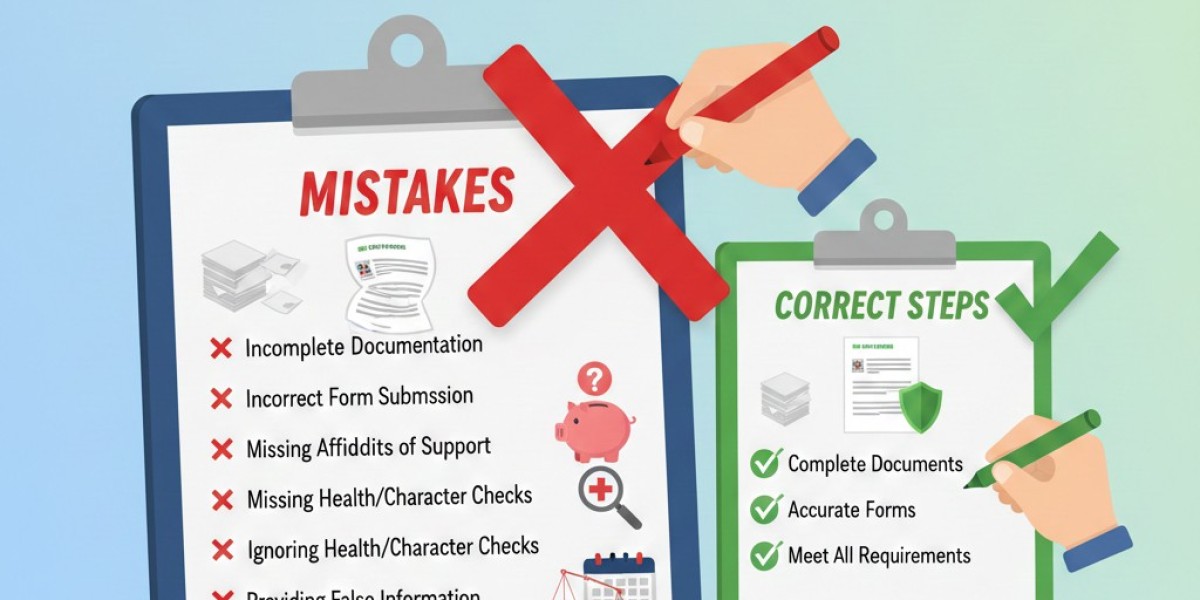

Applying for a Parent Visa Australia can be a rewarding step toward family reunification, but the process is complex and demands meticulous attention to detail. The Subclass 103 visa, a permanent option for parents of settled Australian citizens, permanent residents, or eligible New Zealand citizens, allows you to live, work, and study in Australia indefinitely. However, with high demand and limited places, errors can lead to delays or outright refusal. In this comprehensive guide, we'll explore common mistakes to avoid when applying for Subclass 103 visa, drawing from official Australian Government sources to ensure accuracy as of early 2026. Whether you're navigating Subclass 103 application mistakes or learning how to avoid refusal Subclass 103 visa, this post aims to equip you with practical insights for a smoother journey.
What Is the Subclass 103 Parent Visa?
Before diving into pitfalls, let's clarify the basics. The Subclass 103 is a non-contributory permanent visa designed for parents who wish to join their children in Australia. Key eligibility includes having a sponsoring child who has lived in Australia for at least two years, meeting health and character requirements, and passing the Balance of Family Test—where at least half of your children must reside permanently in Australia, or more live there than in any other single country.
Costs start at AUD 7,345, paid in two installments, with additional fees for family members. Processing times are lengthy—often up to 30 years due to capping and queuing—making it essential to apply correctly from the start. Recent updates as of April 2025 allow paper applications to be imported into ImmiAccount for easier tracking. You cannot hold or have applied for a Sponsored Parent (Temporary) Subclass 870 visa when lodging this application.
Understanding these fundamentals helps prevent Subclass 103 Balance of Family errors and sets the stage for a strong submission.
Top Common Mistakes to Avoid When Applying for Subclass 103 Visa
Many applications falter due to avoidable errors. Based on insights from migration experts and official guidelines, here are the most frequent Subclass 103 application mistakes and tips on how to sidestep them.
1. Misunderstanding or Failing the Balance of Family Test
One of the biggest hurdles is the Balance of Family Test, a core eligibility criterion. Applicants often miscount eligible children or assume stepchildren qualify without proper documentation. For instance, if you have four children and only one lives in Australia, you won't pass— at least two must be settled there.
How to Avoid Refusal Subclass 103 Visa Here: Double-check family details against official definitions. Include birth certificates, adoption papers, or evidence of step-relationships. If unsure, consult the Department of Home Affairs' family test calculator. This prevents Subclass 103 Balance of Family errors that could lead to immediate rejection.
2. Submitting Incomplete or Inaccurate Documentation
Incomplete forms or missing documents are a leading cause of delays and refusals. Common issues include outdated passports, uncertified translations, or forgetting sponsor eligibility proofs like proof of settlement in Australia.
Tip to Avoid Mistakes Subclass 103 Visa: Use the official document checklist from the Department of Home Affairs. Gather evidence early—identity docs, relationship proofs, and financial statements. Ensure consistency across all submissions; even minor typos can raise red flags. For offshore applications (required for Subclass 103), confirm you're outside Australia at key stages.
3. Choosing the Wrong Visa Subclass
Many confuse Subclass 103 with contributory options like Subclass 143, which have shorter waits but higher costs (up to AUD 50,000+). Opting for 103 without realizing the 30-year queue can lead to frustration or abandonment.
How to Avoid: Assess your timeline and budget. If urgency is key, consider contributory visas despite the expense. Research via official sites to match your needs—Subclass 103 suits those who can wait but want lower fees.
4. Ignoring Health and Character Requirements
Health checks are non-waivable for Subclass 103; failing them results in refusal. Applicants overlook disclosing medical conditions or police clearances, leading to issues. Character problems, like undisclosed convictions, can also derail applications.
Prevention Strategy: Schedule Panel Physician exams early and disclose all history honestly. Obtain police certificates from all countries lived in for 12+ months since age 16. Good health at assessment is crucial, as aging applicants risk rejection if conditions worsen during the queue.
5. Not Planning for the Long Queue and Processing Times
Underestimating the wait—currently decades due to high demand exceeding places—is a frequent error. Families apply without backup plans, like visitor visas for interim stays.
How to Avoid Refusal Subclass 103 Visa: Monitor queue release dates on the Home Affairs site. Consider bridging strategies, though no bridging visa is granted for onshore Subclass 103 applications. Factor in Assurance of Support, where sponsors commit to covering costs for 10 years.
6. Failing to Report Changes or Updates
Life events like address changes, new family members, or sponsor status shifts must be reported, or risk breach.
Tip: Use ImmiAccount to update details promptly. This maintains application integrity and avoids refusal.
By steering clear of these Subclass 103 application mistakes, you boost your chances of success in this capped program.
How to Avoid Refusal Subclass 103 Visa: Best Practices
To minimize risks, start with thorough research on the Department of Home Affairs website. Engage a registered migration agent for personalized advice—professional guidance can spot issues early. Submit digitally via ImmiAccount for faster processing, and keep evidence organized. If refused, appeal to the Administrative Review Tribunal within timelines, addressing specific grounds. Reapplying? Fix all noted deficiencies with stronger proof.
FAQs
- What is the processing time for Subclass 103? Up to 30 years due to queuing; check current estimates on Home Affairs.
- Can I apply for Subclass 103 from inside Australia? Yes, but you must be offshore for the grant, and no bridging visa is issued.
- What are the benefits of Subclass 103? Permanent residency, work/study rights, Medicare access, and eventual citizenship eligibility.
- How much does Subclass 103 cost? From AUD 7,345, plus health exams and police checks.
- What if I fail the health check? Refusal is likely, as waivers aren't available; consider alternatives like Subclass 870.
- Do I need an Assurance of Support? Yes, to ensure you won't rely on welfare.
How Edvise Hub Can Help with Your Subclass 103 Application
Navigating Parent Visa Australia doesn't have to be overwhelming. At Edvise Hub, we provide expert visa guidance tailored to your needs, helping you avoid mistakes Subclass 103 visa and streamline your application. Our team, led by Fahad Shamim, Registered Migration Agent (MARN 2619225), brings years of expertise in Australian immigration. Applicants benefit from his in-depth knowledge of Subclass 103 requirements, from Balance of Family assessments to document preparation, increasing your approval odds and saving time.
In conclusion, avoiding common pitfalls like documentation errors or misunderstanding eligibility is key to a successful Subclass 103 application. Stay informed with official sources, plan ahead, and seek professional help for the best results. For personalized assistance, contact Edvise Hub today—your path to family reunion in Australia starts here.
Also Read : Exploring Growth Support Options: Hormone Therapy Compared