
Introduction
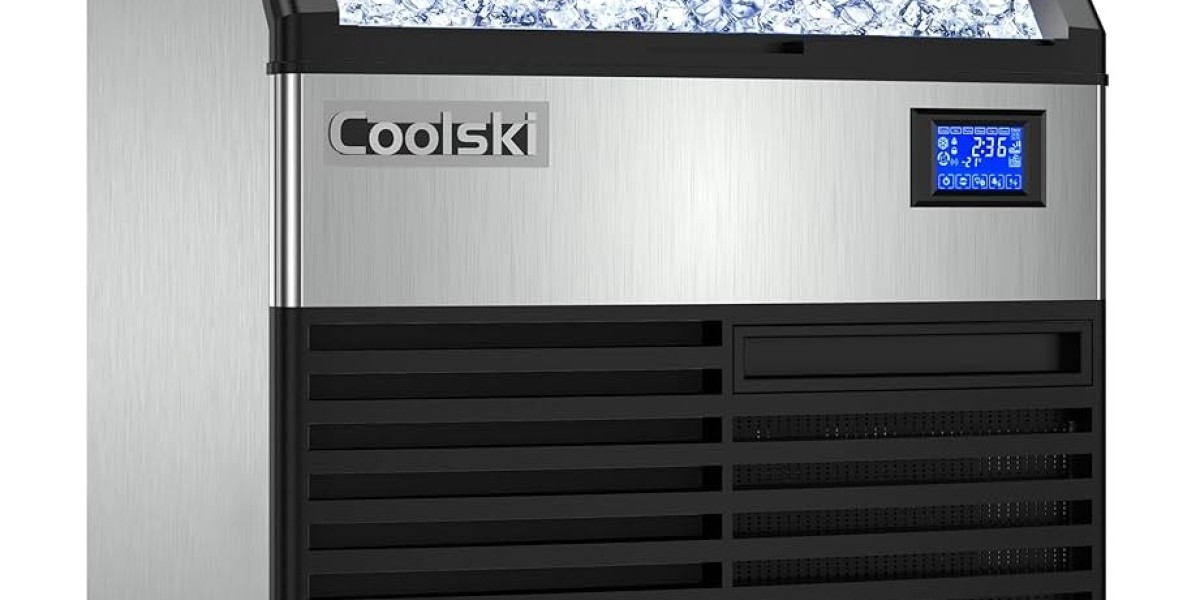
An Air-Cooled Ice Machine is the most widely used type of commercial ice maker in restaurants, bars, hotels, cafés, convenience stores, and other foodservice operations. Designed for reliability, simplicity, and ease of installation, these machines remove heat using air circulation — making them ideal for a variety of commercial environments.
This guide explains what an air-cooled ice machine is, how it works, key benefits, how to choose the right unit, installation tips, and maintenance best practices.
What Is an Air-Cooled Ice Machine?
An air-cooled ice machine uses ambient air and internal fans to remove heat from the refrigeration system. As the unit produces ice, the condenser fan draws in air from the surrounding environment, dissipates heat, and keeps the refrigeration cycle running efficiently.
Unlike water-cooled models, air-cooled machines do not require a water source to cool the condenser — making them simpler to install and maintain.
How It Works
Water Supply: Water enters the machine and flows over the evaporator surface.
Freezing Process: The evaporator removes heat from the water, forming ice.
Heat Removal:
The compressor pumps refrigerant to the condenser.
The condenser fan pulls ambient air over the condenser coils.
Heat is released into the surrounding air.
Ice Harvesting: Once ice forms, it’s released into the ice storage bin.
Fans and vents are crucial — they keep air moving and keep the system cool.
Key Benefits of Air-Cooled Ice Machines
1. Easy Installation
No separate water source or condenser piping is required — just standard water and electrical connections.
2. Lower Upfront Cost
Generally more affordable than water-cooled units, especially for small-to-medium operations.
3. Reliable Performance
Proven technology that performs well in a variety of commercial environments.
4. Wide Availability
Air-cooled models are the most common, meaning parts and service are easy to find.
5. Simpler Maintenance
Fewer specialized components than water-cooled machines.
When to Choose an Air-Cooled Ice Machine
Air-cooled ice machines are ideal when:
The ambient temperature around the unit stays within manufacturer-recommended limits (usually below ~90°F / ~32°C).
Ventilation is adequate to allow heat to dissipate.
You want simpler setup and lower installation costs.
You don’t have a high-volume heat load or unusually hot kitchen environment.
Ice Production Capacity
Air-cooled units come in a wide range of capacities to suit different business needs:
Small cafés & offices: ~100–300 lbs/day
Restaurants & bars: ~300–800 lbs/day
Hotels & large facilities: 800+ lbs/day
Match the machine’s production capacity to your peak demand to avoid shortages during busy periods.
Types of Ice Produced
Air-cooled ice machines can make various ice styles depending on the evaporator design:
Cube Ice: Standard, slow-melting ice — great for drinks
Half-Cube: Smaller cubes that freeze faster
Nugget Ice: Chewable, soft ice often used in healthcare and fast-casual
Flake Ice: Thin, flat pieces — great for displays and food prep
Choose the ice type based on how it will be used (drinks vs prep vs display).
Installation Tips
1. Allow Adequate Ventilation
Leave space around the condenser intake and exhaust vents.
Avoid blocking airflow with walls, cabinets, or equipment.
Good airflow helps heat dissipate and improves efficiency.
2. Keep Unit Clean
Ensure adequate clearance above the machine.
Avoid placing near heat sources or in direct sunlight.
3. Standard Connections
Connect to water supply and drain
Provide correct electrical specifications per manufacturer requirements
Maintenance Best Practices
1. Clean Condenser Coils Regularly
Dust buildup on coils reduces cooling efficiency and can shorten machine life.
2. Replace Water Filters
Improves ice quality and helps prevent scale buildup inside the machine.
3. Sanitize Ice Machine
Clean and sanitize water-contact surfaces and ice bins on a routine schedule (typically every 3–6 months).
4. Check Fans & Vents
Make sure fans are running and vents are clear to maintain airflow.
Common Air-Cooled Ice Machine Issues
? Low Ice Production — Often caused by dirty condenser coils or poor airflow.
? Overheating — Can result from blocked vents or high ambient temperatures.
? Cloudy Ice — May be due to water quality or scale buildup.
? Noise — Fan and compressor noise may indicate airflow or mechanical issues.
Most issues can be prevented with good ventilation and regular maintenance.
Pros & Cons: Air-Cooled vs Water-Cooled
| Feature | Air-Cooled | Water-Cooled |
|---|---|---|
| Installation Complexity | Simple | More complex |
| Ventilation Needs | Must be ventilated | Less dependent on ventilation |
| Heat in Kitchen | Higher | Lower |
| Cost | Usually lower | Higher |
| Noise Level | Standard | Typically quieter |
Final Thoughts
An Air-Cooled Ice Machine offers a reliable, cost-effective solution for most commercial kitchens and foodservice environments. With proper ventilation, routine maintenance, and the right capacity for your needs, these units deliver consistent ice production and long-term performance — making them a staple in bars, restaurants, hotels, and beyond.