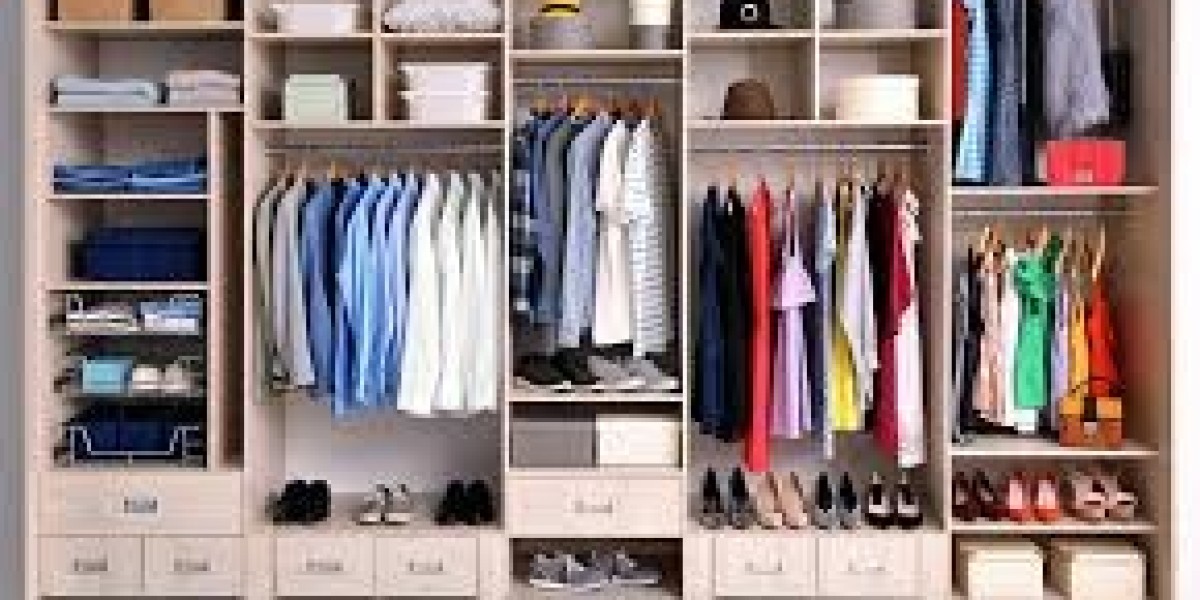

Wardrobe storage is the key to a bedroom that feels calm, organised, and easy to manage every day. Many wardrobes have enough space, but poor layout and messy habits make them feel cramped. Clothes pile up, accessories get lost, and mornings become more stressful than they need to be. With better storage planning, you can create clear zones for hanging, folding, shoes, and small items, so everything has a place and stays easy to find. A well organised wardrobe also protects your clothing, helping items keep their shape and making outfits faster to choose.
If you are ready to improve your routine, start by thinking about what you wear most, what you rarely use, and how your wardrobe space is currently wasted. A helpful next step is exploring wardrobe storage from Orsina and comparing practical storage solutions that help you organise clothing, shoes, and accessories with less clutter. When your wardrobe is organised, your bedroom feels more spacious and your daily life becomes smoother.
Why wardrobe storage matters for daily routines
Wardrobe storage is not just about neat shelves, it directly affects how you start and end your day. When clothing is organised, getting dressed becomes faster because items are easy to see and reach. You spend less time searching for matching pieces and less time dealing with creased clothing caused by overcrowded sections. A tidy wardrobe can also reduce decision stress because it is easier to plan outfits when everything is visible and sorted.
Good storage also helps keep your bedroom tidy. When wardrobe space works properly, fewer clothes end up on chairs or on the floor. That means less clutter around the room and a calmer atmosphere. Over time, wardrobe organisation becomes a system you rely on, making weekly tidying and seasonal changes much easier.
Sorting your wardrobe: declutter first for better space
The first step to better wardrobe storage is decluttering. If you keep too many items you do not wear, even the best storage system will feel cramped. Start by removing items that no longer fit, do not suit your lifestyle, or have not been worn in a long time. Keeping only what you use makes organisation easier and gives your wardrobe space to breathe.
Once you declutter, group clothing by type, such as shirts, trousers, dresses, and outerwear. This helps you see how much space each category needs. It also makes your storage choices clearer because you can decide where hanging space is needed and where drawer or shelf space is more suitable. Sorting first ensures your storage system is designed around your real wardrobe, not clutter.
Hanging space vs shelves: creating smart clothing zones
One of the biggest wardrobe storage improvements is creating proper zones. Hanging space is ideal for items that crease easily, such as shirts, dresses, and jackets. It keeps them ready to wear and prevents overcrowding on shelves. Use consistent hangers to create a uniform look and save space, because bulky mixed hangers can waste room and cause clothing to slip.
Shelves are perfect for folded items like knitwear, jeans, and casual tops. Stack folded items in neat piles or use dividers so stacks do not collapse. If shelves become messy quickly, consider using storage boxes or fabric bins to keep categories separated. The goal is to create zones where each clothing type sits in the best place, so the wardrobe stays tidy with minimal effort.
Drawer and organiser ideas for small items and accessories
Drawers and organisers are essential for tidy wardrobes because small items can quickly become chaotic. Use drawer organisers for underwear, socks, belts, and accessories so everything stays separated and easy to find. This prevents messy drawers where items pile up and disappear. Having a clear organiser system also makes laundry routines easier because items return to the same place every time.
Accessories can be stored in smart ways to save space. Use small storage boxes for jewellery, sunglasses, or watches. Scarves can be rolled neatly or hung on dedicated hooks. Bags can be stored upright so they keep shape. When small items are organised, the wardrobe feels more spacious and you waste less time searching for essentials.
Shoe and bag storage that keeps everything accessible
Shoes often create wardrobe mess because they take up floor space and become scattered. A simple shoe storage area can change everything. Keep everyday shoes at the most accessible level and store occasional shoes higher or in boxes. If shoes are stored loosely, they can look messy and collect dust, so keeping them in a defined area helps maintain cleanliness.
Bags also need structure. Store handbags with enough space so they do not collapse into each other. If you have limited shelf space, consider stacking carefully and using inserts to help bags keep their shape. Keeping shoes and bags organised also protects them from damage. When these items have proper storage, the wardrobe looks calmer and functions better daily.
Seasonal wardrobe storage for a clutter free year
Seasonal rotation is one of the best ways to keep wardrobe storage under control. In warm months, heavy coats and thick knitwear take up valuable space you do not need daily. In winter, summer clothing can crowd shelves unnecessarily. Rotating seasonal items allows you to keep only current use clothing in easy reach, making the wardrobe feel instantly more spacious.
Store off season clothing in storage boxes or bags and place them higher up or in separate storage areas. Keep seasonal accessories together so you can switch quickly when the weather changes. This system also helps you review what you actually wear each season. Seasonal storage keeps the wardrobe light, tidy, and easier to manage all year.
FAQs
What is the best way to start improving wardrobe storage?
Start by decluttering and removing items you do not wear. Once you keep only useful clothing, it becomes easier to create zones for hanging, shelves, and drawers.
How do I organise a wardrobe with limited space?
Use vertical space efficiently and create clear zones. Hang crease prone items, fold bulky clothing on shelves, and use organisers for small items to reduce clutter.
What should go on shelves vs hanging space?
Hang shirts, dresses, and jackets to prevent creasing. Use shelves for folded items like knitwear and jeans, and use bins or dividers to keep stacks neat.
How can I store accessories neatly inside a wardrobe?
Use drawer organisers for small items and boxes for jewellery and sunglasses. Hang scarves neatly and store belts in a dedicated section to prevent tangles.
How often should I rotate seasonal wardrobe storage?
Most people rotate twice a year, usually at the start of warmer months and colder months. Keeping only current season clothing accessible makes the wardrobe easier to manage.
Conclusion
Wardrobe storage is the foundation of a tidy bedroom and a smoother daily routine. When clothing, shoes, and accessories have clear places, the wardrobe feels more spacious, items stay in better condition, and getting dressed becomes faster and less stressful.