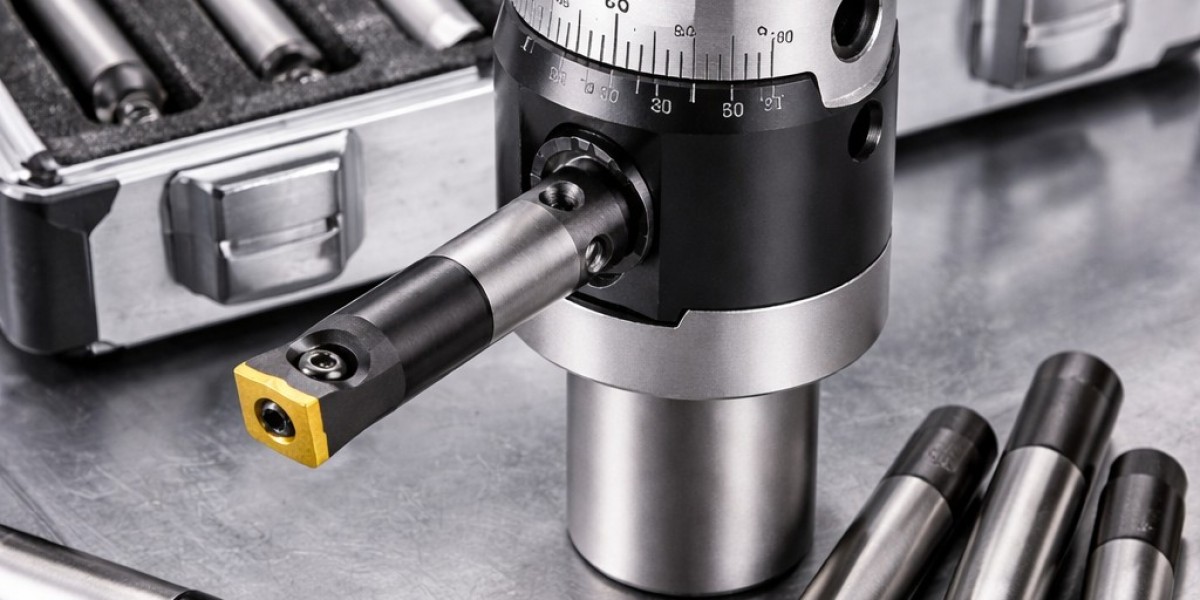

Structural steel fabrication demands precision, speed, and cost efficiency. In recent years, annular cutters have rapidly replaced traditional twist drills across workshops, construction sites, and heavy industries. Fabricators are shifting toward this advanced cutting solution because it delivers cleaner holes, faster production, and longer tool life. As steel structures become larger and project timelines shorter, the need for high-performance hole-making tools has never been greater.
What Are Annular Cutters?
Annular cutters are specialized cutting tools designed to remove only the material around the edge of a hole rather than drilling through the entire cross-section. Unlike twist drills, which convert all material into chips, annular cutters leave behind a solid core or slug. This core-cutting method reduces resistance, improves efficiency, and produces more accurate holes in structural steel.
These tools are widely used with magnetic drilling machines and are ideal for applications such as bridge construction, railway fabrication, shipbuilding, and industrial steel structures.
Limitations of Twist Drills in Steel Fabrication
For decades, twist drills were the standard for metal drilling. However, in structural steel fabrication, they come with several drawbacks:
High Friction and Heat – Twist drills generate excessive heat because they cut the entire hole diameter.
Slow Drilling Speed – More material removal means longer cutting time.
Tool Wear – Continuous contact with metal shortens tool life.
Poor Hole Quality – Burrs, rough finishes, and out-of-round holes are common.
Higher Power Consumption – Machines require more torque to complete drilling.
These limitations directly affect productivity and operating costs in fabrication workshops.
Why Annular Cutters Are Taking Over
1. Faster Cutting Speed
Annular cutters cut only the circumference of the hole, which reduces cutting load. This design allows fabricators to drill holes up to three times faster than twist drills, significantly increasing output.
2. Superior Hole Accuracy
Structural projects demand precise alignment for bolts and fasteners. Annular cutters deliver clean, burr-free, and dimensionally accurate holes with minimal rework.
3. Longer Tool Life
Since less material is removed and heat generation is lower, annular cutters experience less wear. This extends tool life and reduces replacement costs.
4. Energy Efficiency
Lower resistance means less strain on drilling machines. This reduces power consumption and enhances machine durability.
5. Better Surface Finish
The cutting geometry of annular cutters ensures smoother hole walls, which improves structural integrity and fitment of fasteners.
Cost Benefits in Large-Scale Projects
While annular cutters may have a higher upfront cost compared to twist drills, the long-term savings are substantial:
Reduced drilling time lowers labor costs
Fewer tool replacements decrease operational expenses
Less machine wear minimizes maintenance
Higher precision reduces material wastage
For large structural steel projects, these savings significantly impact overall project budgets.
Ideal Applications for Annular Cutters
Annular cutters excel in industries where thick metal plates and beams are common:
Structural steel frameworks
Oil and gas pipeline fabrication
Heavy equipment manufacturing
Rail and metro projects
Shipbuilding
Their performance in thick and hardened materials makes them a preferred choice for modern fabrication.
Comparison: Annular Cutters vs Twist Drills
| Feature | Annular Cutters | Twist Drills |
|---|---|---|
| Cutting Method | Cuts only edge | Cuts full diameter |
| Speed | High | Moderate to slow |
| Heat Generation | Low | High |
| Hole Finish | Smooth & accurate | Rough, may need rework |
| Tool Life | Long | Short |
| Efficiency | High | Lower |
This comparison clearly shows why the industry is moving toward annular cutters.
Technological Advancements Driving Adoption
Modern annular cutters now come with carbide tips, advanced coatings, and improved geometries. These features allow them to handle high-strength steel, stainless steel, and alloy materials. Compatibility with portable magnetic drills also increases job-site flexibility.
Productivity in On-Site Fabrication
On construction sites, time is critical. Annular cutters reduce drilling time and require less machine force, making them ideal for portable drilling setups. Workers can drill more holes in less time, boosting overall project efficiency.
Environmental and Operational Advantages
Less heat and friction mean reduced coolant use and lower energy consumption. This makes annular cutters a more sustainable choice in industrial operations.
The Future of Steel Drilling
With growing infrastructure projects worldwide, fabricators are adopting tools that maximize performance and minimize downtime. Annular cutters represent the future of structural steel drilling, combining speed, precision, and durability in one solution.
FAQs
Q1: Why are annular cutters faster than twist drills?
They cut only the edge of the hole, reducing material removal, heat, and resistance, allowing faster drilling and higher productivity.
Q2: Do annular cutters produce cleaner holes?
Yes, they create smooth, burr-free holes with accurate diameters, reducing finishing work and improving structural fit.
Q3: Are annular cutters suitable for thick steel plates?
They are designed for thick materials and perform efficiently in structural steel, beams, and heavy-duty fabrication tasks.
Q4: Do annular cutters last longer than twist drills?
Lower heat and reduced friction increase tool life, making them more durable and cost-effective over time.
Q5: Can annular cutters be used with portable drilling machines?
Yes, they are widely used with magnetic drills, making them ideal for on-site structural steel fabrication work.
Conclusion
In modern structural steel fabrication, efficiency, precision, and cost savings matter most. The shift toward annular cutters is transforming drilling operations across industries. For high-performance cutting solutions, professionals trust Buyohlic.