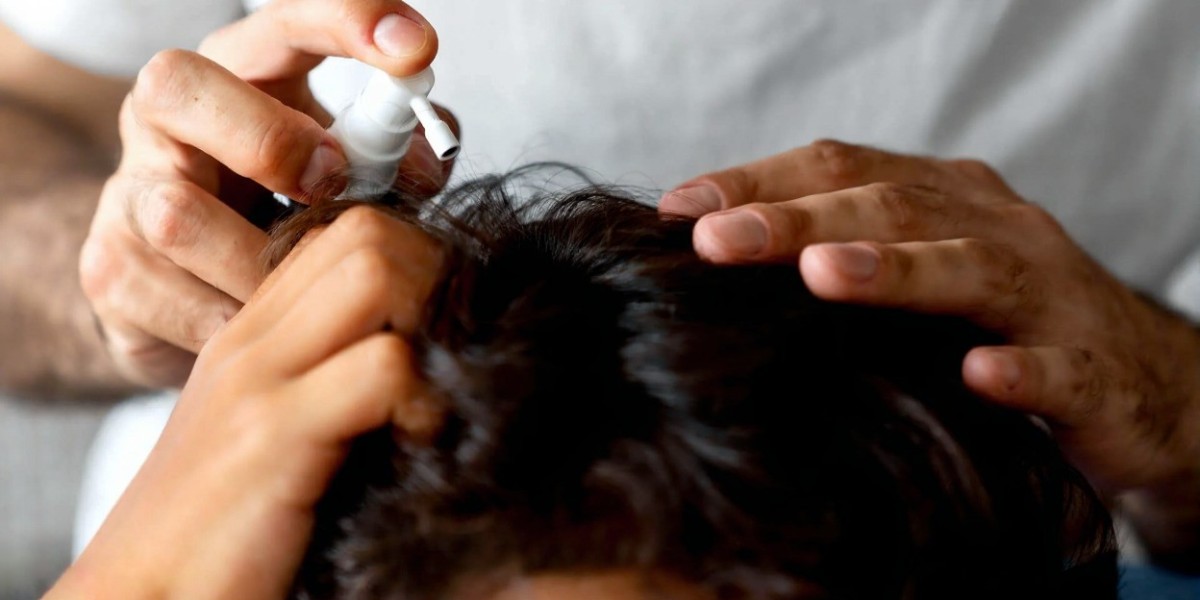

Your scalp is the skin on your head where your hair grows. Just like the skin on your face and body, your scalp needs care too. Many people forget about their scalp until something goes wrong. When your scalp experiences issues, it can affect the appearance and feel of your hair.
The good news is that most scalp problems are easy to fix. In this article, you will learn about common scalp issues and simple ways to make your scalp healthy again.
Why Scalp Health Matters
A healthy scalp means healthy hair. When your scalp is clean and happy, your hair grows better. It looks shiny and feels soft. However, when your scalp experiences issues, your hair can become weak, thin, or lackluster.
Taking care of your scalp is not hard. You just need to know what problems to look for and how to treat them. Let's talk about the most common scalp problems people face.
Dandruff: Those White Flakes
Dandruff is one of the most common scalp problems. You might see small white flakes on your shoulders or in your hair. Your scalp might feel itchy too. Dandruff happens when your scalp is too dry or when a type of yeast grows too much on your skin.
To fix dandruff, use a special shampoo made for this problem. Look for shampoos with ingredients like zinc or tea tree oil. Wash your hair regularly, but not too much. Washing too often can make your scalp dry and create more flakes. Brush your hair gently every day.
This helps remove dead skin cells before they turn into visible flakes. Drink plenty of water and eat healthy foods. Good scalp care starts from the inside too.
Dry and Itchy Scalp
A dry scalp feels tight and itchy. It can happen in cold weather or when you use harsh shampoos. Some people have naturally dry skin, including on their scalp. When your scalp is dry, it can feel uncomfortable and make you want to scratch all the time.
To help a dry scalp, use gentle shampoos that add moisture. Look for products with natural oils like coconut oil or argan oil. Do not wash your hair with very hot water. Hot water takes away natural oils that keep your scalp soft.
You can also massage oil into your scalp before bed. Use coconut oil, olive oil, or special scalp oils. Put a towel on your pillow and let the oil soak in overnight. Wash it out in the morning. This treatment gives your scalp extra moisture.
Oily Scalp and Greasy Hair
Some people have the opposite problem. Their scalp makes too much oil. This makes hair look greasy and flat, even right after washing. An oily scalp can happen because of hormones, stress, or using the wrong hair products.
If you have an oily scalp, wash your hair more often with a gentle shampoo. Do not skip conditioner, but only put it on the ends of your hair, not on your scalp. Use dry shampoo between washes to soak up extra oil.
Try not to touch your hair too much during the day. Your hands have oil on them that transfers to your hair. Eat less greasy food and more fruits and vegetables. What you eat affects how much oil your scalp produces.
Scalp Acne and Bumps
Yes, you can get pimples on your scalp just like on your face. Scalp acne happens when hair follicles get blocked with oil and dead skin. You might feel small bumps when you touch your head.
Sometimes they hurt or itch. To treat scalp acne, keep your scalp clean. Wash your hair regularly with a gentle shampoo. Do not use heavy hair products like gels or oils that can clog your pores.
If you wear hats often, make sure they are clean. Change your pillowcase every week. Dirty pillowcases can have bacteria that cause acne. If scalp acne does not go away, you might need to see a doctor for special treatment.
Buildup From Hair Products
When you use lots of hair sprays, gels, or dry shampoo, they can build up on your scalp. This buildup makes your scalp feel heavy and dirty.
Your hair might look dull and lifeless. The buildup can also block your pores and cause other problems. To remove buildup, use a clarifying shampoo once a week. This type of shampoo deep cleans your scalp and removes all the leftover product. You can also make a simple rinse at home with apple cider vinegar and water.
Pour it on your hair after shampooing, wait a few minutes, then rinse well. Try to use fewer hair products when possible. Give your scalp breaks from heavy styling products. Focus on proper scalp care with simple, clean routines instead of covering problems with more products.
Sensitive and Irritated Scalp
Some people have sensitive scalps that get red and irritated easily. This can happen from allergies to hair products, too much sun, or skin conditions.
A sensitive scalp might burn, sting, or feel sore. If your scalp is sensitive, switch to products made for sensitive skin. Look for labels that say "hypoallergenic" or "fragrance-free." These products have fewer ingredients that cause irritation. Always test new products on a small area first.
Protect your scalp from the sun by wearing a hat outside. Too much sun can burn your scalp, especially if you have thin hair or a part in your hair. Be gentle when you brush and style your hair. Pulling too hard can hurt a sensitive scalp.
Hair Loss and Thinning
Many people worry when they see more hair falling out than usual. Some hair loss is normal. We lose about 50 to 100 hairs every day.
But if you see bald patches or your hair is getting much thinner, you might have a scalp problem. Hair loss can happen for many reasons. Stress, poor diet, hormones, and scalp infections can all cause hair to fall out. Taking care of your scalp can help your hair grow back stronger. Massage your scalp gently every day. This brings more blood to your hair roots and helps them grow.
Eat foods with protein, vitamins, and minerals. Your hair needs these nutrients to grow well. If hair loss continues, talk to a doctor to find out the real cause.
Fungal Infections
Sometimes fungi or bacteria can grow on your scalp. This causes problems like ringworm, which makes round, scaly patches. Fungal infections can be itchy and uncomfortable.
Your scalp might have red areas or flaky spots. If you think you have a fungal infection, see a doctor. You will need special medicine to kill the fungus. Keep your scalp clean and dry. Do not share combs, brushes, or hats with others.
These items can spread infections. Wash your hair regularly and make sure it dries completely. Fungi like warm, wet places. Keep your hair tools clean too. Wash brushes and combs with soap and hot water every week.
Psoriasis and Eczema on the Scalp
Some people have skin conditions like psoriasis or eczema that affect their scalp. These conditions cause red, scaly patches that can be very itchy.
They might come and go, getting worse during times of stress. If you have psoriasis or eczema, you need special shampoos and treatments. A doctor can prescribe medicine that helps control these conditions. Meanwhile, be extra gentle with your scalp. Do not scratch, even when it itches badly.
Use lukewarm water to wash your hair, not hot water. Keep your scalp moisturized with gentle products. Managing stress through exercise or relaxation can help these conditions improve. Good scalp care routines make a big difference for people with these skin problems.
Simple Daily Habits for a Healthy Scalp
Now that you know about common scalp problems, let's talk about how to keep your scalp healthy every day. These simple habits can prevent many issues before they start. Wash your hair regularly, but not too much.
Most people need to wash their hair two or three times a week. If you exercise a lot or have very oily hair, you might need to wash more often. Use gentle shampoos that match your hair type. Massage your scalp when you wash your hair. Use your fingertips, not your nails.
This feels good and helps blood flow to your scalp. Rinse your hair very well after washing. Leftover shampoo can cause buildup and irritation. Eat healthy foods and drink lots of water. Your scalp needs vitamins and minerals to stay healthy. Foods with omega-3 fatty acids, like fish and nuts, are especially good for your scalp and hair.
When to See a Doctor
Most scalp problems get better with simple home care. But sometimes you need help from a doctor. See a doctor if your scalp problem does not improve after a few weeks of treatment. Also get help if you have severe pain, bleeding, or bald patches. If you have sudden hair loss or your scalp has a strange smell, these could be signs of infection. A doctor can figure out what is wrong and give you the right treatment. Do not wait too long to get help if something feels very wrong.
Keep Your Scalp Happy
Your scalp works hard every day to grow your hair and protect your head. It deserves good care. By understanding common scalp problems and knowing how to fix them, you can keep your scalp healthy and your hair looking great. Remember that scalp care is just as important as taking care of the skin on your face. Be gentle, use good products, and pay attention to what your scalp needs. With a little effort, you can solve most scalp problems and enjoy healthy, beautiful hair.