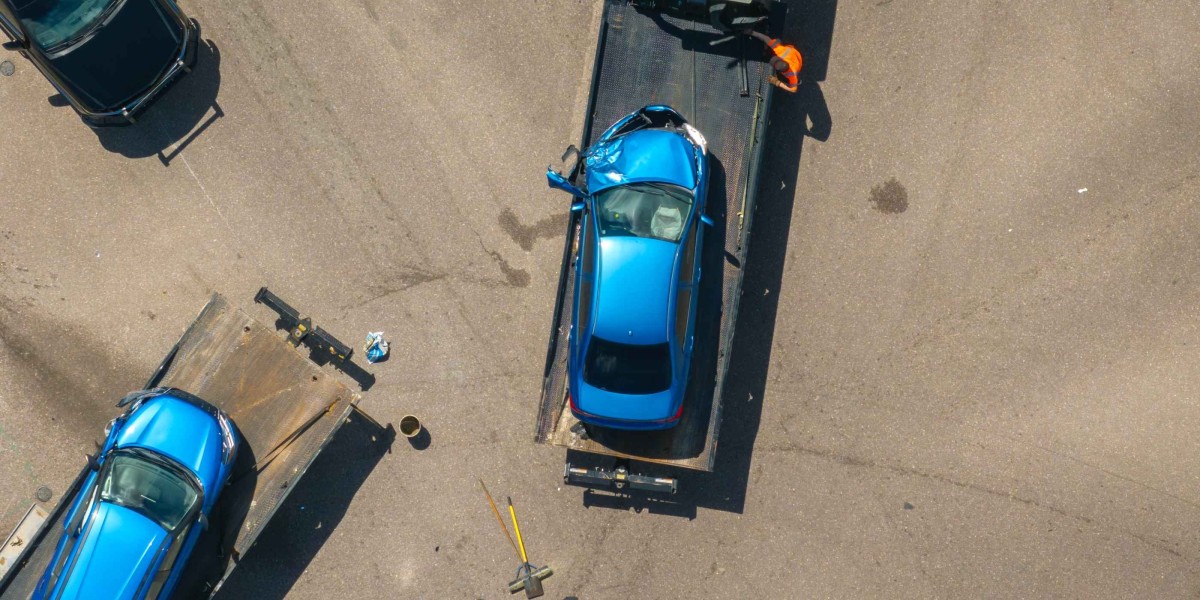

Qatar’s roads are a fascinating mix of modern infrastructure and bustling activity. From the sleek highways of Doha to the rugged desert tracks near the Inland Sea, driving here is a daily reality for most residents. However, owning a car in Qatar comes with significant responsibilities, chief among them being car insurance.
This comprehensive guide breaks down the mechanics of car insurance in Qatar. We will explore the legal frameworks, dissect the coverage options, walk you through the often-stressful claims process, and simplify the renewal procedures. Whether you are a new arrival buying your first car or a long-time resident looking to switch providers, this article will ensure you are in the driver's seat when it comes to your policy.
1. Overview: The Legal Landscape of Car Insurance in Qatar
In Qatar, driving is a privilege regulated by strict laws designed to ensure public safety. At the heart of these regulations is the mandatory requirement for car insurance.
The Legal Mandate
Under Qatar’s Traffic Law, specifically Law No. (19) of 2007, no vehicle is permitted on the road without valid insurance. This is not optional. The insurance policy is intrinsically linked to your vehicle’s registration (Istimara). You cannot issue, transfer, or renew an Istimara without proof of valid insurance coverage for at least 12 months.
The primary purpose of this law is to protect the public. The government ensures that if a driver causes an accident, there are financial resources available to compensate the victims—whether they are other drivers, passengers, or pedestrians.
The Consequences of Non-Compliance
Driving without insurance is a serious offence in Qatar. The Ministry of Interior (MOI) and traffic police enforce this rigorously.
- Fines: Being caught without insurance can result in hefty fines.
- Impoundment: Your vehicle may be impounded until valid insurance is produced.
- Legal Liability: The most severe consequence arises if you cause an accident while uninsured. In this scenario, you are personally liable for all damages. This could include repairing the other party’s vehicle, paying for medical treatments, and even paying "blood money" (Diya) in the event of a fatality. These costs can easily amount to hundreds of thousands of Qatari Riyals (QAR).
2. Types of Car Insurance Available
While the law demands insurance, it doesn't force you to buy the most expensive policy. The market in Qatar generally offers two distinct tiers of coverage. Understanding the difference is crucial for managing your financial risk.
Third-Party Liability (TPL)
This is the minimum legal requirement. Often referred to simply as "Third Party," this policy is the baseline coverage needed to register your car.
- Who it protects: It protects everyone except you and your car.
- Purpose: To cover your legal liability towards others if you are at fault in an accident.
Comprehensive Insurance
This is the "all-inclusive" option (often called "Full Cover"). It is not mandatory by law, but it is highly recommended for newer vehicles or drivers who want complete peace of mind.
- Who it protects: It protects third parties and you and your vehicle.
- Purpose: To restore your own financial position after an accident, theft, or damage, regardless of who was at fault.
3. What is Covered: A Deep Dive
The devil is in the details. Many drivers only realise what their policy excludes when it is too late. Let’s break down exactly what each type covers.
Third-Party Liability Coverage
A TPL policy is strictly limited.
- Third-Party Property Damage: If you crash into another car, a shopfront, or a streetlamp, the insurance pays for the repairs to that property.
- Bodily Injury to Third Parties: It covers medical expenses and compensation for injuries sustained by people in the other car or pedestrians.
- What is EXCLUDED:
- Own Damage: If your car is wrecked in an accident you caused, you receive zero riyals. You must pay for your own repairs or write off the car.
- Theft & Fire: If your car is stolen or burns down, TPL provides no compensation.
- Natural Disasters: Damage from sandstorms, hail, or floods is not covered.
Comprehensive Insurance Coverage
Comprehensive policies bundle the TPL protections listed above and add coverage for your own assets.
- Own Damage: This is the key differentiator. If you cause an accident, the insurer pays to fix your car (minus a deductible).
- Fire and Theft: You are covered if your car is stolen or damaged by fire.
- Vandalism: If someone keys your car or smashes a window, repairs are covered.
- The "Unknown" Party: If you return to your parked car to find a dent and no note (a hit-and-run), comprehensive insurance will cover the repair, though you will likely have to pay an excess and obtain a police report.
Optional Add-Ons (Riders)
Most comprehensive policies in Qatar allow you to purchase extra protection:
- Agency Repair: Guarantees repairs are done at the manufacturer’s official dealership rather than a third-party workshop. This is usually restricted to cars under 3-5 years old.
- Roadside Assistance: Covers towing, battery jumps, and flat tyre changes.
- Off-Road Cover: Essential for desert driving. Standard policies usually stop coverage the moment you leave the tarmac.
- GCC Cover: Extends your protection when driving to neighbouring countries like Saudi Arabia or the UAE.
- Rental Car: Provides a temporary replacement vehicle while yours is in the shop.
4. The Claims Process: A Step-by-Step Guide
Filing a claim in Qatar follows a specific procedure that involves both the police and the insurance company. Unlike in some western countries where you might just swap details and call the insurer, in Qatar, the police report is the golden ticket. Without it, you cannot repair your car.
Step 1: At the Scene of the Accident
- Ensure Safety: Move vehicles to the side of the road if the damage is minor and it is safe to do so, to avoid blocking traffic. If there are injuries, call 999 immediately and do not move the injured.
- Document Everything: Take clear photos of the damage to all vehicles involved, the position of the cars, and the surrounding area.
- Exchange Info: Get the other driver's name, mobile number, and Qatar ID number.
Step 2: The Police Report
In Qatar, insurers cannot process a claim without a police report.
- Minor Accidents: For simple fender benders where both parties agree on who is at fault, you do not need to wait for a patrol car. Both drivers should go to the nearest Traffic Department branch or use the Metrash2 app (if applicable) to register the accident.
- Major Accidents or Disputes: If there are injuries, significant damage, or if neither party admits fault, you must call the police (999) to the scene. They will investigate and issue a report.
The police will issue a report determining fault. This report will be sent to you via SMS or can be printed at the station. It will categorise the damage and specify who is responsible.
Step 3: Contact the Insurance Company
- If You Are NOT at Fault: You have two options. You can claim directly from the at-fault driver's insurance company, or (if you have comprehensive cover) file with your own insurer, who will then recover the costs from the other party.
- If You ARE at Fault:
- TPL Policy: You notify your insurer so they can handle the third party's claim. You then arrange your own repairs at your own expense.
- Comprehensive Policy: You submit the claim to your insurer to fix your car. You will be required to pay the "excess" or "deductible" (a pre-agreed amount, usually QAR 500 – QAR 2000).
Step 4: Assessment and Repair
- Surveyor Inspection: The insurance company will assign a surveyor to inspect the vehicle damage and approve the repair costs.
- Workshop Assignment:
- If you have Agency Repair, you take the car to the dealer.
- If you have Non-Agency (Workshop) Repair, the insurer will direct you to one of their approved garages.
- The Repair Paper: The police report serves as a "repair permission" slip. Garages in Qatar are legally forbidden from repairing accident damage without this paper.
Step 5: Completion
Once repairs are done, you inspect the vehicle. If satisfied, you sign a discharge form, and the insurer settles the bill with the garage directly.
5. Tips for a Smooth Claims Experience
The claims process can be frustrating, but these tips can minimise the headache.
1. Keep the Metrash2 App Handy
The Ministry of Interior's app, Metrash2, is a powerful tool. For minor accidents, you can register the incident, upload photos, and receive the police report digitally without ever visiting a police station. Familiarise yourself with the "Accident Registration" feature before you need it.
2. Don't Admit Liability Prematurely
At the scene, be polite but avoid saying "It was my fault" until the police have assessed the situation. Sometimes, factors you aren't aware of (like the other driver speeding or running a light) contributed to the crash. Let the authorities decide.
3. Check Your Deductible
Know your "excess" amount before you claim. If the damage to your car is minor (e.g., a scratch costing QAR 400 to fix) and your deductible is QAR 1000, it makes no financial sense to file a claim. Pay for the repair yourself to keep your "No Claims Bonus" intact.
4. Understand "betterment" (Depreciation)
If your car is older and requires new parts for repair, the insurer might ask you to contribute to the cost. This is called "betterment" or depreciation. The logic is that replacing an old bumper with a brand new one increases the car's value, so you should pay the difference. This is standard practice in Qatar for cars over a certain age.
5. Time Limits Matter
Report accidents immediately. Delaying the police report or the insurance notification can lead to complications or claim rejection.
6. How to Renew Car Insurance in Qatar
Insurance renewal in Qatar is an annual ritual. Since your vehicle registration (Istimara) expires every 12 months, your insurance must match this cycle.
When to Renew
You should start looking for quotes 30 days before your current policy expires. Do not wait until the last day. Although there is a 30-day grace period for renewing your Istimara after it expires, driving with expired insurance is illegal immediately after the expiry date.
The Renewal Process
1. Shop Around
Loyalty rarely pays in insurance. Your current provider might hike the premium hoping you won't notice. Use online comparison sites or contact brokers to check the market rate. If you have had a claim-free year, ask specifically for a "No Claims Discount."
2. Required Documents
- Copy of QID.
- Copy of current Driving Licence.
- Copy of current Vehicle Registration (Istimara).
- Photos of the car (sometimes required for comprehensive renewal to prove no pre-existing damage).
3. Online vs Offline
Most major insurers in Qatar now offer instant online renewal. You upload your documents, pay by credit card, and receive the policy PDF via email. The system is automatically linked to the traffic department's database.
4. Update the Istimara
Buying the insurance is only step one. Once the policy is issued, the insurer updates the MOI database. You must then log into the Metrash2 app to renew your Istimara. You can choose to have the new registration card delivered to your home by QPost.
IMPORTANT: For cars older than 3 years, you must pass a technical inspection (Fahes) before you can renew the Istimara. However, you can (and should) renew your insurance before going to the inspection, as valid insurance is required for the renewal process.
7. Conclusion: The Road to Security
Car insurance in Qatar is more than a bureaucratic hurdle; it is a vital shield against the unpredictability of the road. Understanding the distinction between Third-Party and Comprehensive coverage allows you to make an informed decision about your financial safety. Knowing how to navigate the claims process via Metrash2 or the police empowers you to handle stressful accidents with a cool head.
Ultimately, the goal is to drive with confidence. When you know exactly what you are covered for, and exactly what to do if things go wrong, you can focus on the pleasure of the journey—whether that's a sunset drive along the Corniche or a commute to West Bay. Ensure your paperwork is in order, drive safely, and let your insurance handle the "what ifs."