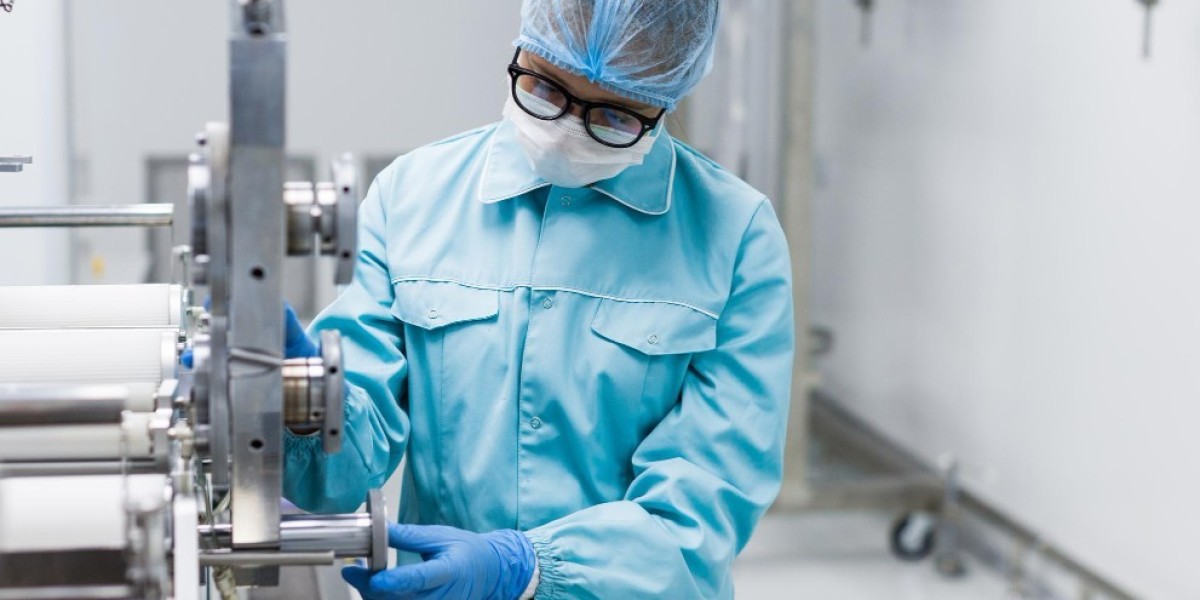

Total-joint surgeries, such as knee and hip replacements, rely heavily on precision instruments that must be impeccably cleaned and sterilized to ensure patient safety. Many hospitals use “loaner” instrument sets provided by device manufacturers, which adds a layer of complexity to sterilization processes. Proper cleaning and sterilization protocols are critical to prevent surgical site infections, cross-contamination, and potential instrument damage. Sterile processing teams must stay updated on the latest guidelines, balancing manufacturer instructions, regulatory standards, and evidence-based practices to maintain the highest level of patient safety.
Understanding the Challenges of Loaner Instrument Sets
Loaner total-joint instrument sets differ from hospital-owned instruments because they are often complex, modular, and used across multiple facilities. Each set can include numerous components, delicate parts, and specialized attachments that require careful handling. Unlike standard hospital instruments, loaners may arrive pre-assembled, partially cleaned, or accompanied by manufacturer-specific instructions that must be followed precisely.
The variability of these sets makes standardized protocols essential. Staff must inspect instruments for wear or damage, verify completeness, and follow manufacturer guidelines for disassembly before cleaning. A systematic approach ensures that no component is overlooked and that the instruments meet sterilization standards. Training in these processes is essential, and programs like the Sterile Processing Technician Course provide comprehensive instruction on handling complex instrument sets safely.
Pre-Cleaning and Disassembly Protocols
Before sterilization, pre-cleaning and disassembly are crucial steps in the decontamination process. Any residual blood, tissue, or biofilm on instruments can interfere with sterilization and increase infection risk. Pre-cleaning typically involves soaking instruments in enzymatic detergents and performing initial rinses to remove organic debris.
Disassembly is equally critical. Loaner instruments often include modular parts, hinges, and cannulated components that must be taken apart carefully. Following manufacturer instructions ensures that cleaning solutions reach all surfaces and prevents damage. Documenting the disassembly process helps maintain traceability and accountability within the sterile processing department. Knowledge of these steps is a key component of training offered in a Sterile Processing Technician Course.
Automated Cleaning and Ultrasonic Processing
After pre-cleaning and disassembly, instruments are commonly processed through automated washers or ultrasonic cleaning systems. Automated washers standardize temperature, detergent concentration, and cycle time, improving consistency and reducing human error. Ultrasonic cleaners use high-frequency sound waves to remove debris from hard-to-reach areas, including lumens, hinges, and threaded components.
The latest protocols recommend combining manual, ultrasonic, and automated cleaning methods to ensure comprehensive decontamination. Quality assurance measures, such as test strips and visual inspections, confirm that instruments are free from residual soil. Sterile processing technicians must be trained in operating and monitoring these systems, including troubleshooting issues that could compromise cleanliness, making formal education such as the Sterile Processing Technician Course invaluable.
Sterilization Methods and Packaging Standards
Once cleaned, loaner total-joint instruments must be sterilized according to validated protocols. Steam sterilization is most common, but certain components may require low-temperature sterilization, such as hydrogen peroxide plasma, to prevent heat damage. Instruments must be arranged to allow steam penetration or gas circulation, and packaging should protect them from contamination while allowing proper sterilant access.
Color-coded indicators, biological monitoring, and cycle documentation are critical to ensure effective sterilization. Loaner instruments often come with manufacturer-specific instructions for sterilization, which must be followed alongside hospital policies. Adhering strictly to these protocols minimizes the risk of surgical complications and supports regulatory compliance.
Inspection, Assembly, and Traceability
After sterilization, instruments must be inspected for cleanliness, functionality, and integrity. Any defect or residual debris can compromise patient safety and surgical outcomes. Loaner instruments must be carefully reassembled following manufacturer instructions to ensure proper fit and functionality during surgery.
Traceability is another critical element. Each instrument set should be labeled and tracked, allowing hospitals to monitor usage, sterilization cycles, and return to the manufacturer. Maintaining accurate records is essential for compliance, quality assurance, and in case of recall or adverse events. Sterile processing training, such as the sterile processing technician course, emphasizes the importance of inspection, assembly, and documentation in maintaining safe surgical instruments.
Handling Manufacturer-Specific Instructions
One of the most challenging aspects of loaner instruments is navigating manufacturer-specific instructions. These instructions may vary by brand, instrument type, and component, requiring technicians to pay close attention to detail. Deviating from these guidelines can result in instrument damage, failed sterilization, or safety issues during surgery.
Standard operating procedures should integrate manufacturer instructions while maintaining hospital-wide quality standards. Technicians should consult updated manuals regularly, participate in in-service training, and document adherence to instructions. Familiarity with these protocols is a critical skill developed during a Sterile Processing Technician Course, which prepares professionals to manage complex and varied instrument sets effectively.
Continuous Quality Improvement and Compliance
Sterile processing is a dynamic field, and continuous quality improvement is essential to maintain patient safety. Hospitals should conduct regular audits, monitor sterilization outcomes, and track infection rates. Staff should stay informed of updates to professional guidelines, manufacturer protocols, and regulatory requirements.
Investing in ongoing training ensures that sterile processing technicians remain competent and confident in their practice. Participation in courses such as the Sterile Processing Technician Course equips professionals with the knowledge to implement best practices, troubleshoot challenges, and contribute to a culture of safety and accountability within the operating room.
Final Thoughts on Loaner Instrument Sterilization
Cleaning and sterilizing loaner total-joint instrument sets requires precision, diligence, and adherence to the latest protocols. From pre-cleaning and disassembly to sterilization, inspection, and documentation, every step is critical to patient safety. Following manufacturer guidelines, using advanced cleaning technologies, and maintaining strict traceability are essential components of best practice.