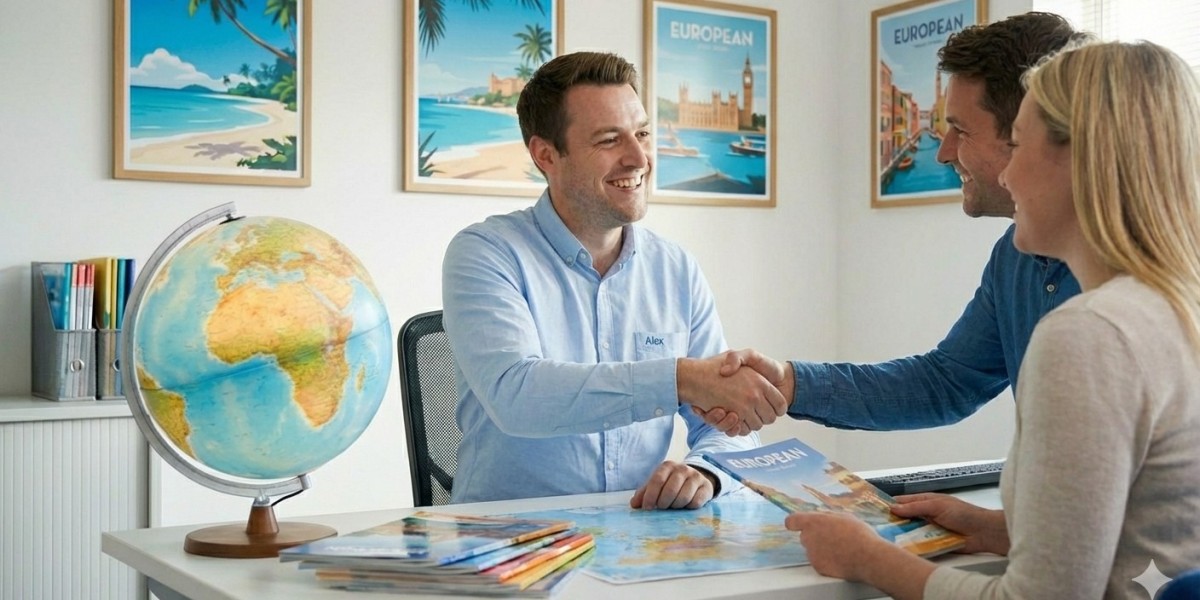

The travel industry relies on strong collaboration between tour operators and travel agents to deliver smooth, well-organized travel experiences. While travelers usually interact directly with travel agents, much of the actual planning and coordination happens behind the scenes through tour operators. This partnership ensures that trips are not only enjoyable but also structured, cost-effective, and professionally managed. Understanding how tour operators work with travel agents provides insight into how travel packages are created, marketed, and delivered successfully to customers around the world.
The Core Role of Tour Operators in the Travel Industry
Tour operators are responsible for designing and managing travel products from the ground up. They work directly with airlines, hotels, transportation companies, and local service providers to build complete travel packages. These packages may include accommodation, airport transfers, sightseeing tours, meals, and guided experiences. Because tour operators purchase services in bulk, they are often able to secure better pricing and guaranteed availability, especially during peak travel seasons.
Once a package is created, the tour operator focuses on logistics, quality control, and supplier coordination. They ensure that every component of the trip works together seamlessly. Tour operators also handle risk management, compliance with local regulations, and emergency support if something goes wrong during the trip. Rather than selling directly to travelers, many tour operators rely on travel agents to distribute their products. This allows operators to scale their offerings while focusing on operational excellence.
How Travel Agents Represent Tour Operators to Customers
Travel agents serve as the direct point of contact for travelers, acting as advisors rather than just salespeople. They assess customer needs, budgets, and travel goals before recommending suitable tour operator packages. Because agents understand their clients personally, they can match travelers with the most appropriate itineraries, destinations, and experiences offered by tour operators.
Agents also explain package details in simple terms, helping customers understand inclusions, exclusions, and optional upgrades. This guidance builds trust and reduces confusion, especially for complex itineraries or international travel. Travel agents rely on their training and industry knowledge to confidently sell tour operator products, which is why professional development such as a travel agent course plays a crucial role in strengthening this relationship. Well-trained agents are better equipped to represent tour operators accurately and ethically, leading to higher customer satisfaction and repeat business.
Commission Structures and Financial Collaboration
One of the key ways tour operators and travel agents work together is through commission-based partnerships. Tour operators set net rates for their packages, and travel agents earn commissions by selling those packages to customers. This structure benefits both parties: tour operators gain access to a wide sales network, while agents earn income without managing complex logistics themselves.
Commissions vary depending on destination, package type, and sales volume. In some cases, high-performing agents receive higher commission rates or exclusive deals. Tour operators may also offer incentives, bonuses, or marketing support to encourage agents to promote specific packages. Transparent pricing and fair commission structures are essential for maintaining long-term partnerships. When both sides clearly understand how revenue is shared, collaboration becomes smoother and more sustainable.
Information Sharing and Ongoing Communication
Effective communication is critical to the success of the tour operator–travel agent relationship. Tour operators regularly update agents about new packages, pricing changes, seasonal offers, and destination developments. This information allows agents to provide accurate and up-to-date recommendations to clients.
Many tour operators use online booking systems, agent portals, and newsletters to keep agents informed. These tools provide access to itineraries, availability, promotional materials, and booking confirmations. In return, travel agents share customer feedback with tour operators, helping them refine products and improve service quality. This two-way flow of information ensures that travel offerings remain competitive and aligned with traveler expectations.
Managing Customer Support and Problem Resolution
When issues arise during a trip, both tour operators and travel agents play important roles in resolving them. Travel agents often act as the first point of contact for customers, offering reassurance and guidance. They then coordinate with the tour operator, who has direct relationships with local suppliers and ground teams.
Tour operators handle on-the-ground problem-solving, such as rebooking hotels, arranging alternative transportation, or providing emergency assistance. This division of responsibility allows issues to be addressed quickly and professionally. After the trip, travel agents may follow up with customers to gather feedback, while tour operators analyze any operational challenges. This collaborative approach strengthens trust and improves future travel experiences.
The Importance of Training and Professional Knowledge
The relationship between tour operators and travel agents works best when agents are well-trained and knowledgeable. Understanding destinations, package structures, booking systems, and customer service standards enables agents to represent tour operator products effectively. Formal education and continuous learning help agents stay competitive in an evolving travel market.
Courses like Travel Agent Training provide essential skills in sales techniques, itinerary planning, industry regulations, and customer communication. Well-trained agents not only increase sales for tour operators but also reduce errors and misunderstandings. This professional competence strengthens partnerships and enhances the overall reputation of both parties within the travel industry.
A Partnership Built on Trust and Shared Goals
Ultimately, the relationship between tour operators and travel agents is built on mutual trust and shared objectives. Tour operators depend on agents to reach travelers and communicate value, while agents rely on operators to deliver high-quality, reliable travel experiences. When both sides collaborate effectively, travelers benefit from smoother journeys, better value, and professional support.