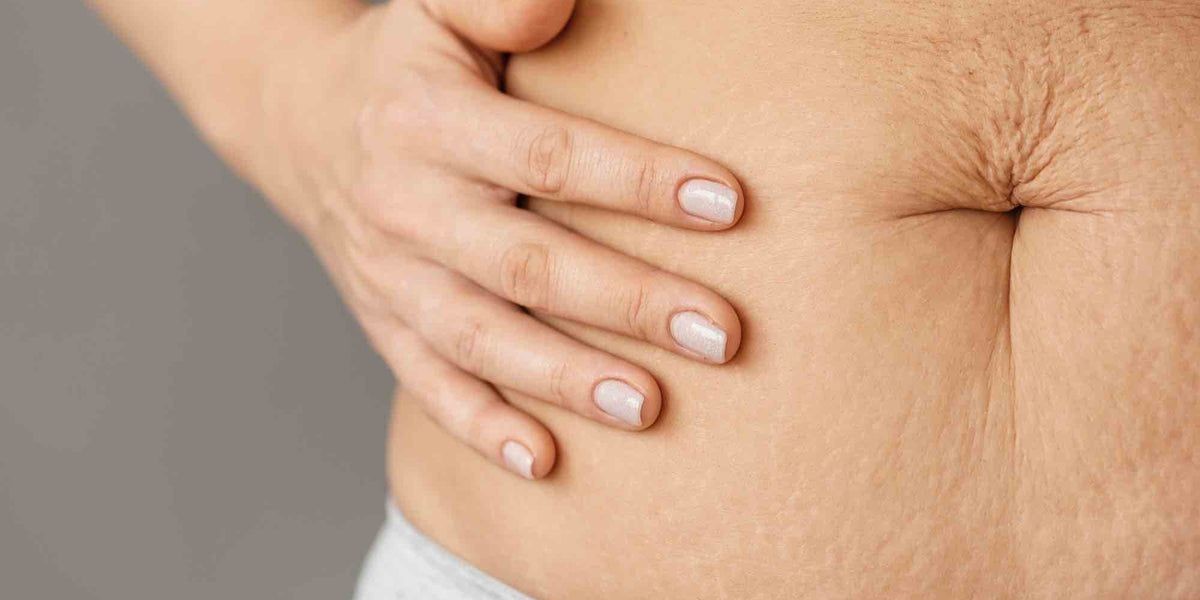

Lipedema is often misunderstood, misdiagnosed, and mistakenly blamed on lifestyle choices. Many people spend years trying diets and exercise plans that never address the real issue. Lipedema Treatment in Riyadh (علاج الوذمة الشحمية في الرياض) focuses on recognizing the condition as a medical concern, not a weight problem, offering clarity, validation, and evidence-based care that supports long-term physical and emotional well-being.
Understanding Lipedema Beyond Common Misconceptions
Lipedema is a chronic condition involving abnormal fat distribution, most commonly affecting the legs, hips, and arms. It develops independently of calorie intake and physical activity, which is why traditional weight-loss approaches fail. Understanding this distinction is essential to seeking appropriate care and avoiding unnecessary frustration.
Why Lipedema Is Not Obesity
Unlike obesity, lipedema fat is resistant to diet and exercise. Individuals often notice disproportionate lower body enlargement despite maintaining a healthy lifestyle. This fat is painful, sensitive to touch, and commonly associated with swelling, setting it apart from typical weight-related concerns.
The Emotional Impact of Misdiagnosis
Years of being told to “just lose weight” can deeply affect confidence and mental health. Misdiagnosis often leads to shame and delayed treatment. Recognizing lipedema early provides emotional relief and empowers individuals to pursue proper medical support instead of self-blame.
Signs and Symptoms That Should Not Be Ignored
Lipedema progresses gradually, making early symptoms easy to overlook. Awareness of warning signs can help individuals seek timely intervention. Early management often leads to better symptom control and improved quality of life.
Physical Symptoms Commonly Experienced
Typical symptoms include symmetrical fat buildup, tenderness, easy bruising, and swelling that worsens throughout the day. The feet are usually unaffected, creating a visible “cuff” at the ankles. These physical markers help distinguish lipedema from other conditions.
How Symptoms Progress Over Time
Without proper care, lipedema may worsen, leading to mobility challenges and joint strain. Advanced stages can involve hardened tissue and increased pain, significantly impacting daily activities. Early diagnosis helps slow progression and preserve comfort and function.
Why Specialized Treatment Matters
General weight management plans overlook the complexity of lipedema. Effective care requires targeted strategies that address lymphatic health, inflammation, and tissue sensitivity. Specialized programs provide structured support tailored to the condition’s unique needs.
Limitations of Traditional Weight Loss Approaches
Diet and exercise may improve overall health but rarely reduce lipedema fat. This disconnect often leads to disappointment. Understanding these limitations prevents unrealistic expectations and encourages exploration of appropriate therapeutic options.
Benefits of a Condition-Focused Approach
A lipedema-focused plan prioritizes symptom relief, mobility, and comfort. Treatments aim to reduce pain, swelling, and progression while supporting physical and emotional health. This holistic perspective delivers measurable improvements beyond appearance alone.
Modern Approaches to Lipedema Care
Advancements in medical understanding have expanded treatment options. Today’s strategies combine conservative therapies, lifestyle adjustments, and advanced interventions when appropriate. The goal is sustainable symptom management rather than temporary fixes.
Conservative Management Techniques
Compression therapy, manual lymphatic drainage, and gentle movement form the foundation of care. These methods help reduce swelling, improve circulation, and ease discomfort when practiced consistently under professional guidance.
The Role of Nutrition in Symptom Control
Anti-inflammatory eating patterns support overall health and may reduce discomfort. While nutrition does not eliminate lipedema fat, it can improve energy levels, minimize swelling, and complement other therapies effectively.
Lifestyle Adjustments That Support Treatment
Daily habits play a crucial role in managing lipedema symptoms. Thoughtful adjustments enhance treatment outcomes and help individuals regain a sense of control over their condition.
Movement Without Overstrain
Low-impact activities such as swimming, walking, and stretching support circulation without stressing joints. Consistency matters more than intensity, making movement accessible and sustainable for long-term health.
Managing Daily Swelling and Discomfort
Elevating the legs, wearing appropriate compression garments, and maintaining hydration can significantly reduce daily swelling. Small, consistent actions often produce noticeable improvements in comfort and mobility.
Psychological Well-Being and Lipedema
Lipedema affects more than the body. Emotional health is closely tied to physical symptoms, making psychological support an important part of comprehensive care.
Rebuilding Confidence and Body Trust
Understanding that lipedema is not caused by personal failure helps restore self-esteem. Education fosters self-compassion and encourages proactive participation in treatment decisions.
The Value of Support Networks
Connecting with others who share similar experiences reduces isolation. Support groups and counseling provide emotional validation, coping strategies, and encouragement throughout the treatment journey.
Early Diagnosis and Long-Term Outcomes
Timely diagnosis plays a pivotal role in managing lipedema effectively. Early intervention often prevents complications and preserves quality of life.
How Early Care Makes a Difference
Addressing symptoms in initial stages can slow progression and reduce pain. Early care allows individuals to adopt protective habits before mobility or tissue changes occur.
Monitoring Progress Over Time
Regular follow-ups help adjust treatment plans as needs evolve. Tracking symptoms ensures care remains effective and aligned with individual goals and lifestyle changes.
Advanced Care Options for Progressive Cases
When conservative methods are insufficient, advanced options may be considered. These approaches focus on reducing physical burden and improving function under professional supervision.
When to Consider Advanced Interventions
Persistent pain, limited mobility, or rapid progression may indicate the need for advanced care. Decisions are individualized, emphasizing safety, realistic expectations, and long-term benefits.
Integrating Care for Sustainable Results
Combining advanced options with ongoing conservative management provides balanced, lasting outcomes. Continued lifestyle support ensures improvements are maintained over time.
Choosing the Right Care Environment
The setting in which treatment is delivered significantly impacts results. A specialized environment fosters trust, education, and personalized care.
Importance of Expertise and Education
Clinics experienced in lipedema prioritize patient education and evidence-based protocols. Clear communication empowers individuals to make informed decisions about their health.
Personalized Care Planning
No two cases are identical. Tailored care plans address symptom severity, lifestyle, and personal goals, ensuring treatment aligns with individual needs rather than generic standards.
Lipedema Awareness and Community Education
Raising awareness reduces stigma and encourages earlier diagnosis. Education benefits not only patients but also families and communities.
Breaking Social Myths
Public understanding helps dismantle harmful stereotypes around body shape and weight. Accurate information promotes empathy and supportive environments.
Encouraging Proactive Health Choices
Awareness motivates individuals to seek evaluation when symptoms arise. Proactive care leads to better outcomes and less emotional distress.
How Regional Expertise Enhances Care
Access to specialized services improves treatment experiences. Lipedema Treatment in Riyadh integrates global best practices with localized understanding, ensuring culturally sensitive and comprehensive support.
Access to Specialized Resources
Regional centers provide access to trained professionals and modern therapeutic options. This availability reduces delays and enhances continuity of care.
Supporting Long-Term Wellness
Ongoing education and follow-up encourage sustainable health habits. Regional expertise ensures care evolves alongside medical advancements.
Living Fully With Lipedema
While lipedema is chronic, it does not define a person’s potential or happiness. With proper care, individuals can lead active, fulfilling lives.
Setting Realistic Expectations
Understanding achievable outcomes fosters satisfaction. Treatment focuses on symptom relief, mobility, and quality of life rather than unrealistic physical ideals.
Celebrating Progress and Resilience
Every improvement, no matter how small, represents progress. Recognizing resilience strengthens motivation and reinforces commitment to ongoing care.
Frequently Asked Questions
Is lipedema the same as lymphedema?
No, lipedema and lymphedema are distinct conditions. Lipedema involves abnormal fat distribution and pain, while lymphedema is related to lymph fluid buildup. However, advanced lipedema can lead to secondary lymphedema, requiring combined management strategies.
Can exercise cure lipedema?
Exercise cannot cure lipedema, but it plays a supportive role. Low-impact movement improves circulation, reduces stiffness, and supports overall health, complementing other treatments without eliminating lipedema fat.
Why does lipedema mostly affect women?
Hormonal factors are believed to influence lipedema development, often appearing during puberty, pregnancy, or menopause. Research continues to explore genetic and hormonal links to better understand this pattern.
How do I know if I need specialized care?
If you experience painful fat distribution, swelling resistant to weight loss, or easy bruising, specialized evaluation is recommended. Early assessment helps confirm diagnosis and guide appropriate treatment options.
Taking the Next Step Toward Informed Care
Understanding lipedema is the first step toward reclaiming comfort and confidence. With the right guidance, symptom management becomes achievable and empowering. For those seeking compassionate, evidence-based support, Lipedema Treatment in Riyadh offers a pathway toward informed care and improved quality of life. Take the next step today by connecting with Royal Clinic Saudia (عيادة رويال السعودية) and begin a journey built on understanding, expertise, and long-term wellness.