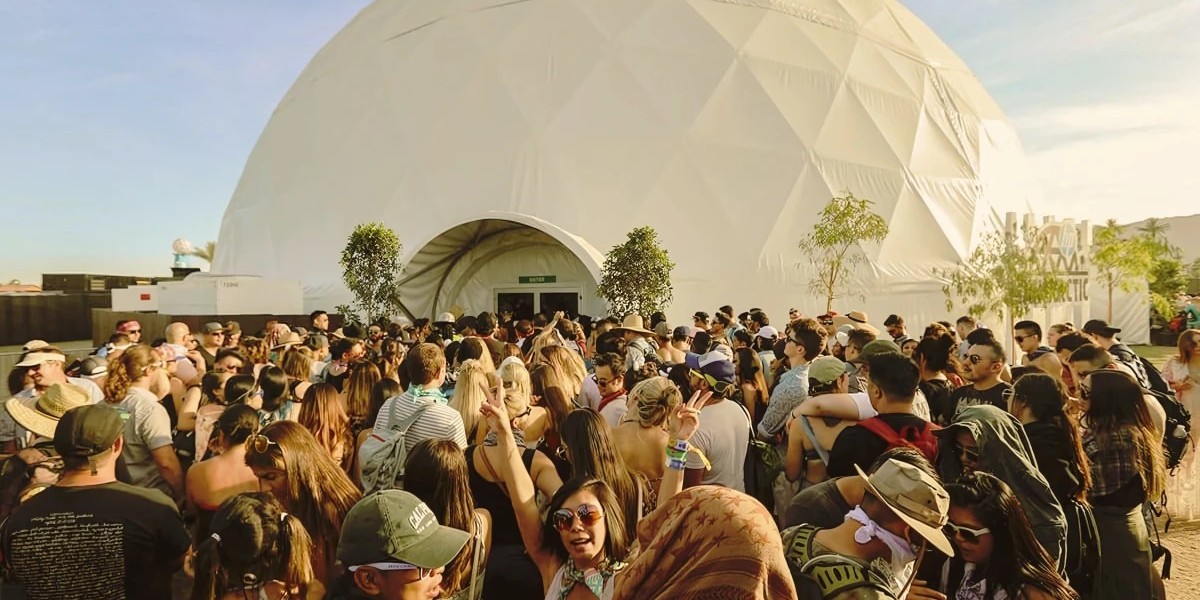

Event planners today are no longer limited to hotels, banquet halls, or convention centers. With changing audience expectations and the need for unique experiences, alternative event structures like domes are gaining popularity.
Choosing between a dome structure and a traditional venue can directly affect your event’s visibility, budget, and overall success. This guide breaks down the pros and cons of both options to help planners make a smart decision.
Gaining Insight into the Two Event Options
A traditional venue is usually a hotel, exhibition hall, auditorium, or outdoor space with permanent features. In contrast, a dome venue is a strong, temporary structure.
It can be set up in different locations and adapted for various events like exhibitions, brand launches, festivals, or corporate gatherings.
Reports in the event industry show that about 63% of attendees feel that unique venues improve their experience. This is one reason non-traditional setups are gaining popularity.
Advantages of Renting a Dome for Events
Some advantages of renting a dome for events are:
1. Unique Visual Appeal
Domes are impossible to miss. The modern silhouette attracts foot traffic and curiosity, making it perfect for exhibitions and product promotions. A trade show dome that is skillfully designed can garner up to 40% more visitor interaction than regular stalls.
2. Flexible Locations
Dome structures can occupy spaces on the beach, open ground, resorts, or even urban places. The option to choose the perfect location according to the event theme and audience is now with the planners.
3. Customizable Interiors
Lighting, branding panels, seating, screens, and layouts are easily adjustable. The flexibility that comes with no structural limits is one of the key factors in creating immersive experiences.
4. Quicker Installation
The majority of dome structures can be set up in a time frame of just 1–3 days. It is way faster than the venue booking and preparation time.
Dome Rental Disadvantages
- Installation on open land requires permissions
- Weather considerations need to be planned properly
- Power supply and restroom facilities may need temporary arrangements
Nevertheless, these issues can be solved by good planning and hiring experienced vendors.
Advantages of Traditional Event Venues
Though domes are the new trend nowadays, traditional event venues also have certain advantages. Let’s take a look at them:
1. Built-in Amenities
Restrooms, parking, power backup, and seating arrangements are the usual facilities of the traditional venues that reduce the planning efforts.
2. Familiarity
Vendors and guests are already used to such venues, thus it will be easier to coordinate.
3. Weather Protection
Indoor venues totally eliminate weather-related risks, which is important for the protection of sensitive equipment or formal gatherings.
Cons of Traditional Venues
- Limited customization opportunities because of fixed layouts
- High rents and hidden costs
- Ordinariness, especially for the brand-oriented events
Research indicates that 72% of brands find it hard to get noticed at conventional venues because of repetitive layouts and visual clutter.
What Is the Best Choice for Event Planners?
Ultimately, it is up to the event goals to dictate what choice is the right one. If the event aims to create a brand presence, customer engagement, and an unforgettable experience.
Hence, dome structures clearly win. On the other hand, traditional venues are still suitable for formal meetings, conferences, or events that require preset infrastructure.
Final Thoughts
Modern event planning is about experience, flexibility, and impact. While traditional venues serve a purpose, domes are redefining how brands connect with audiences. For planners looking to stand out, choosing to rent a dome can be a strategic move.
Fulldome India offers solutions that help transform open spaces into powerful event destinations, making your event both functional and unforgettable.