
Left Ventricular Assist Devices (LVADs) are life-sustaining mechanical circulatory support systems used in advanced heart failure management. While clinical outcomes depend heavily on surgical technique and post-implant care, non-clinical factors—particularly apparel and accessory design—play a measurable role in protecting device integrity and minimizing complications. One of the most persistent daily challenges for LVAD users is driveline tugging and strain, which can compromise comfort, mobility, and long-term device safety.
This article examines how specialized apparel and accessories reduce mechanical stress on the LVAD driveline. It explains the biomechanical risks of unmanaged driveline movement, the professional standards guiding accessory design, and how purpose-built solutions—such as heartware LVAD accessories and belt-style LVAD systems—are applied in real-world settings to enhance device protection. The content is grounded in established clinical practices, biomedical engineering principles, and long-term patient management frameworks.
Understanding LVAD Driveline Mechanics and Risk Factors
What is an LVAD driveline?
The LVAD driveline is a percutaneous cable that exits the abdominal wall to connect the implanted pump to an external controller and power source. According to widely accepted clinical descriptions, including those summarized by leading medical references such as Wikipedia's LVAD overview , the driveline represents a permanent exit site that must be protected from tension, torsion, and repeated micro-movements.
Why Driveline Tugging Is a Critical Issue?
Driveline tugging occurs when external forces, such as body movement, gravity, clothing friction, or unsecured controllers, transfer mechanical load to the driveline exit site. Over time, this ongoing strain can lead to exit-site irritation and delayed tissue healing, increase the risk of driveline trauma or micro-tears, and elevate the likelihood of infection due to repeated skin disruption. In addition to these physical risks, persistent tugging can reduce user confidence during daily activities by creating discomfort or fear of device damage. From a biomedical standpoint, this form of repeated low-grade tensile stress is particularly concerning because it accumulates gradually, often without immediate symptoms, making early damage difficult to detect.
The Protective Role of Specialized LVAD Apparel
Apparel as a Mechanical Load-Management System
In professional LVAD management, apparel is increasingly viewed as a passive mechanical support system. Rather than merely concealing equipment, well-designed garments and accessories redistribute weight, stabilize cable routing, and reduce peak stress on the driveline. This approach mirrors principles used in orthopedic bracing and prosthetic suspension systems, where load distribution and controlled movement are essential to long-term tissue health.
Core Functions of LVAD-Specific Clothing and Accessories
Effective LVAD apparel systems are engineered to anchor external components close to the body's center of mass, limit sudden movement of controllers or batteries, maintain a consistent driveline orientation, and reduce friction between the driveline and the skin or surrounding fabric. These functions are not cosmetic in nature; they play a direct role in protecting device integrity, supporting long-term reliability, and improving daily usability for individuals living with an LVAD.
The Clinical Importance of HeartWare-Compatible Accessory Systems
Why Device-Specific Accessories Matter
Different LVAD platforms have unique controller dimensions, battery weights, and driveline stiffness characteristics. As a result, accessories designed for general use may fail to provide adequate stabilization. Heartware lvad accessories are engineered with precise tolerances that account for device geometry, connector placement, and daily wear patterns. Professionally designed solutions—such as those found in specialized collections of
heartware lvad accessories are structured to align with clinical recommendations for driveline protection without interfering with medical protocols.
Applied Benefits in Real-World Use
In practice, clinicians and LVAD coordinators observe that device-specific accessories:
Reduces unintended driveline movement during walking or sitting
Improve compliance with driveline care routines
Support safer transitions between activity states (eg, standing to seated)
These benefits align with long-term outpatient management goals rather than short-term comfort alone.
Belt-Based Stabilization as a Proven Load-Reduction Strategy
How Belt Systems Reduce Driveline Strain?
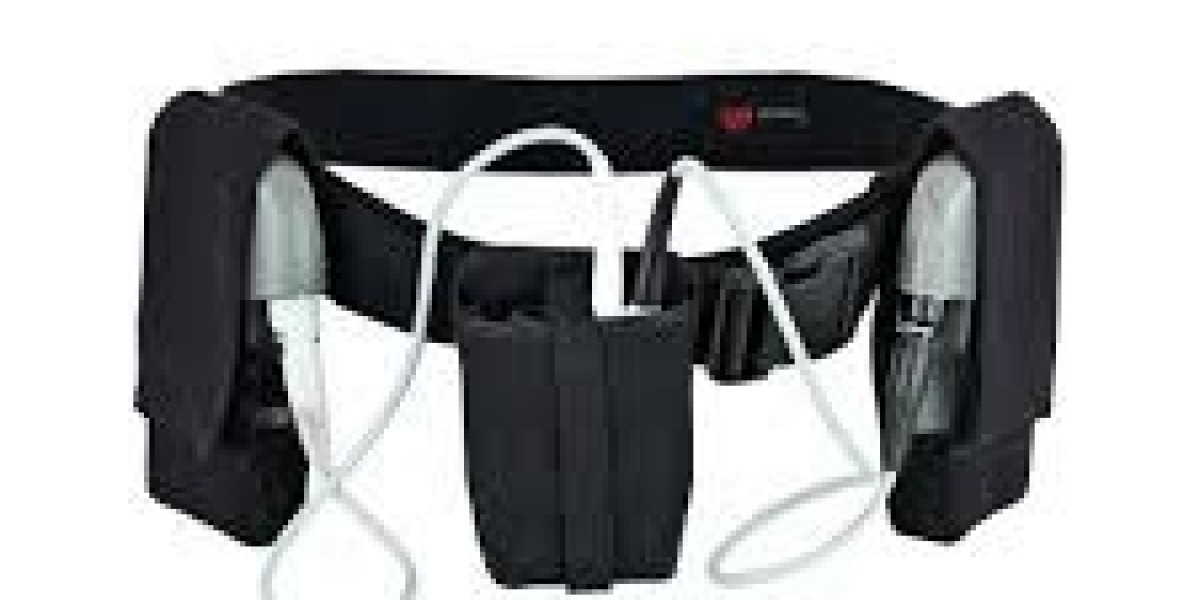
A belt style lvad system functions as a wearable load-bearing structure. By positioning batteries and controllers around the waist or torso, belts shift weight away from the driveline exit site and distribute it evenly across stronger skeletal regions such as the hips. This load redistribution is consistent with ergonomic principles used in industrial safety belts and medical support garments. Purpose-built solutions available through belt style lvad demonstrate how structured apparel can act as a protective interface between the user and the device.
Advantages Over Improvised Carry Methods
Compared to shoulder bags or pockets, belt systems offer a reduced pendulum effect during movement, lower torque on the driveline during bending or twisting, and more predictable component positioning for routine checks and monitoring. These features are particularly relevant for long-term LVAD users who manage daily activities independently, as consistent stabilization helps reduce mechanical strain and supports safer, more confident mobility.
Material Science and Construction Standards in LVAD Apparel
Fabrics and Structural Components
From an engineering perspective, LVAD apparel must balance flexibility with controlled rigidity. Common material considerations include:
Breathable, medical-grade textiles to reduce moisture buildup
Reinforced stitching at load-bearing points
Elastic zones that allow movement without slack
These construction standards are informed by medical garment manufacturing practices rather than consumer fashion trends.
Hygiene and Infection-Control Considerations
Because the driveline exit site is vulnerable to infection, apparel design must support hygiene protocols. This includes:
Easy removal for daily inspection
Compatibility with sterile dressing changes
Machine-washable materials that retain structural integrity
Such requirements reflect infection-control principles widely documented in clinical literature.
Expert Insights and Best Practices
Clinician-Recommended Usage Frameworks
Experienced LVAD care teams typically advise the continuous use of stabilization apparel during waking hours, the avoidance of loose or unsecured carrying methods, and regular inspection of accessory wear points for signs of stress or degradation. These best practices are informed by observed correlations between improved mechanical stability and a reduced incidence of driveline-related complications over long-term use.
Integration Into Long-Term Care Plans
In professional settings, apparel selection is often treated as part of the discharge planning process. This reinforces the understanding that driveline protection extends beyond the hospital environment.
Common Mistakes and Misconceptions
Any Belt or Bag Is Sufficient
Generic belts or bags may lack the structural support needed to control driveline movement. Without proper anchoring, they can inadvertently increase strain.
Apparel Is Only for Comfort
While comfort is a factor, the primary function of LVAD apparel is mechanical protection. Viewing it solely as a lifestyle accessory underestimates its clinical relevance.
Ignoring Fit and Adjustment
Improperly adjusted apparel can negate its benefits. Fit must be tailored to body size, activity level, and device configuration.
Conclusion
Reducing LVAD driveline tugging and strain is a critical component of long-term device management. Apparel and accessories, when designed according to biomechanical and clinical principles, serve as protective systems that enhance stability, reduce risk, and support daily independence. Through the informed use of device-compatible solutions such as heartware lvad accessories and structured belt style lvad systems, LVAD users benefit from improved mechanical protection without compromising mobility or care routines. From
FAQs
1. Why is driveline tugging considered a serious issue?
Driveline tugging introduces repetitive mechanical stress at the exit site, which may increase the risk of skin breakdown and infection over time.
2. How does apparel reduce mechanical strain?
Specialized apparel stabilizes external components and redistributes weight, reducing direct force on the driveline.
3. Are device-specific accessories necessary?
Yes. Device-specific designs account for controller size, cable stiffness, and weight distribution, improving overall effectiveness.
4. What role do belt systems play in driveline protection?
Belt systems position LVAD components near the body’s center of mass, minimizing torque and movement-related stress.
5. Can improper apparel increase risk?
Yes. Loose or poorly designed apparel can amplify driveline movement rather than control it.
6. How often should LVAD apparel be replaced?
Replacement depends on wear, material fatigue, and hygiene needs. Regular inspection is recommended.
7. Is LVAD apparel clinically endorsed?
While not a medical device, LVAD apparel is widely supported by care teams as part of best-practice management.
8. Does clothing interfere with medical access?
Properly designed apparel allows quick access for dressing changes and device checks.
9. Are materials chosen for infection control?
Forks. Breathable, washable materials are selected to support skin health and hygiene.
10. Should apparel be worn during sleep?
Usage during sleep depends on individual risk assessment and clinical guidance, often involving dedicated sleeping belts.