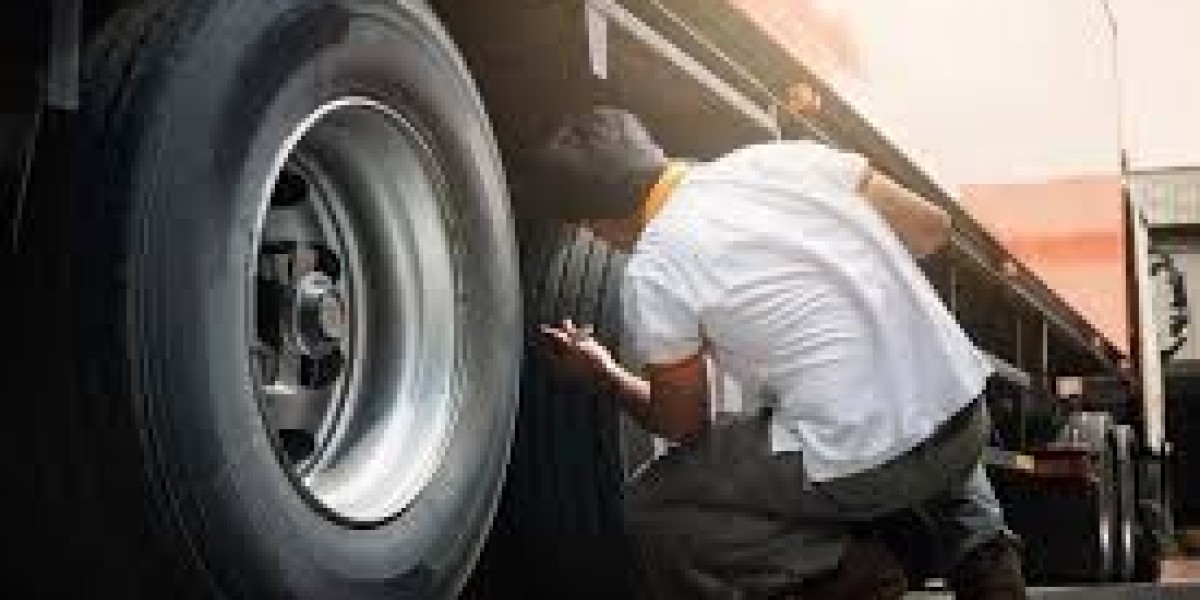

For fleet managers, roadside inspections are not just a pain, but can be killers of income. An unexpected DOT inspection can place a truck out of commission for hours and delay a delivery if any problems are detected. It is not a luxury to be ahead of the curve with the right preparation, but rather essential to ensure trucks are rolling, drivers are safe, and operations are profitable. This is the reason why prioritizing DOT Inspection of fleets can save money, time, and headaches.
Inspection-ready means you know what the inspectors are after, and making sure that the trucks are safe and compliant at all times.
Why DOT Readiness Matters
DOT inspections do not occur at any regular time; it occurs when the inspectors notice your rig or stop you on the highway. Failure to comply may result in citation, out-of-service order, or even fines. In the case of fleets, each hour a truck is idle is a lost revenue. The slightest problems, such as a missing reflector or damaged suspension parts, could lead to the sidelining of trucks.
Pre-inspection is a method of minimizing unforeseen downtime and keeping your business intact. Fleet managers who take charge of their safety and compliance understand that they can count on their trucks to deliver under pressure.
Key Areas Inspectors Focus On
DOT inspections cover a wide range of items, but some areas get extra attention:
Brakes and air systems: Properly functioning brakes and secure air lines are critical for safety.
Tires and wheels: Tread depth, inflation, and wheel condition are always checked.
Suspension components: Worn or misaligned parts can lead to failed inspections.
Lighting and reflectors: Broken or missing lights are an easy citation.
Coupling devices and fifth wheels: Inspectors check secure attachment and condition.
Emergency equipment: Fire extinguishers, triangles, and first-aid kits must be present and in working order.
Focusing on these areas consistently reduces the risk of trucks being flagged during a roadside inspection.
Maintenance and Pre-Inspection Checks
A disciplined maintenance program is the backbone of DOT readiness. Regular inspections and timely repairs help avoid last-minute surprises. Key practices include:
Trip inspections daily: Before taking any trip, drivers are supposed to inspect the brakes, lights, tires, and fluid.
Planned maintenance: Brakes, suspension, and engine parts are serviced regularly to ensure that the trucks remain in compliance.
Record-keeping: Keeping of records on maintenance, repair,s and driver inspections is hard work in the audits.
Mobile repair services: In case of a problem during a trip, mobile repair services can fix the problem on the spot without spending money on downtime. Mobile repair providers such as CS Truck and Trailer are focused on maintenance of the fleet so that they can be inspection-ready without hauling trucks to a garage.
Training Drivers for DOT Compliance
Your drivers are the first line of defense. Ensuring they understand DOT rules and know how to perform thorough pre-trip checks is critical. Training should include:
How to identify worn suspension or brake issues.
Checking lights, reflectors, and safety devices before departure.
Documenting inspections accurately in logs or ELDs.
Well-trained drivers reduce the risk of violations and keep your fleet moving safely and efficiently.
Mobile Services: Keeping Fleets Inspection-Ready
Even with the best maintenance program, unexpected issues happen. That’s where mobile repair and support come in. Mobile services allow fleets to address problems at terminals, yards, or job sites, keeping trucks compliant and minimizing downtime.
Mobile DOT Inspection for fleet services from providers like CS Truck and Trailer ensures that structural, brake, or lighting issues can be corrected immediately, so your trucks pass inspection without costly delays.
Preventing Common Citations
Some of the most frequent roadside citations include:
Brake issues
Worn tires
Suspension misalignment
Broken lights or missing reflectors
Improperly secured loads
Focusing on these areas through regular checks and proactive repairs keeps trucks inspection-ready and avoids unnecessary fines.
Record-Keeping and Documentation
Inspectors not only look at physical truck condition but also review maintenance and driver logs. Maintaining organized and up-to-date records demonstrates diligence and can prevent citations. Keep:
Maintenance and repair receipts
Daily inspection checklists
Driver logs and ELD data
Certifications for equipment and repairs
Good documentation is as important as physical readiness when it comes to DOT compliance.
Scheduled vs. Surprise Inspections
Even if your fleet has planned DOT audits, surprise inspections still happen. Trucks that are serviced and checked regularly have little chance of sidelining. The Logistics Hustler understands that regular focus on compliance helps to minimize disruption and ensure the prediction of the cash flow.
Long-Term Benefits of DOT Readiness
Inspection-ready does not just mean escaping fines. Well-maintained trucks are longer-lasting, operate more effectively, and enable drivers to be safe. It also increases your reputation among the shippers, receivers, and even the drivers. Proper maintenance, training of drivers, and mobile support services would safeguard the fleets by making sure they are efficient, compliant, and always ready for the unexpected.
Partnering with the Right Fleet Support
DOT preparedness is collaborative. By collaborating with CS Truck and Trailer, you will be sure your fleet is taken care of professionally. Whether it is a mobile repair or maintenance advice, their services make fleets remain on the road, compliant, and productive.
Keep Your Fleet Road-Ready
Every mile is important in a world where inspections may occur at any minute. By concentrating on DOT Inspection of fleets, proactive maintenance, driver training, and mobile repair, the trucks will remain compliant, safe, and productive. For fleet managers, preparation is not an option, its the key to ensuring that the trucks keep moving and business is profitable.














sun consultant 28 w
BIS FMCS stands for Bureau of Indian Standards – Foreign Manufacturers Certification Scheme.
This scheme was introduced to allow foreign manufacturers to obtain BIS certification without having a manufacturing unit in India.
Under BIS FMCS, foreign manufacturers can get permission to use the ISI Mark on their products, which proves that the product meets Indian quality standards.
In simple words, BIS FMCS allows foreign companies to sell certified products in India legally.
https://sunconsultants.co.in/fmcs-certification-consultants