
Recovering from surgery, injury, or strenuous activity can be challenging, especially when it affects your core and lower back muscles. An abdominal support belt is a practical tool that helps provide stability, reduce strain, and support proper posture during recovery. Paired with other mobility aids like forearm crutches and post-op shoes, it can make everyday movement safer and more comfortable. This article explores how an abdominal support belt works, when to use it, and how it fits into a broader recovery routine.
Understanding Abdominal Support Belts
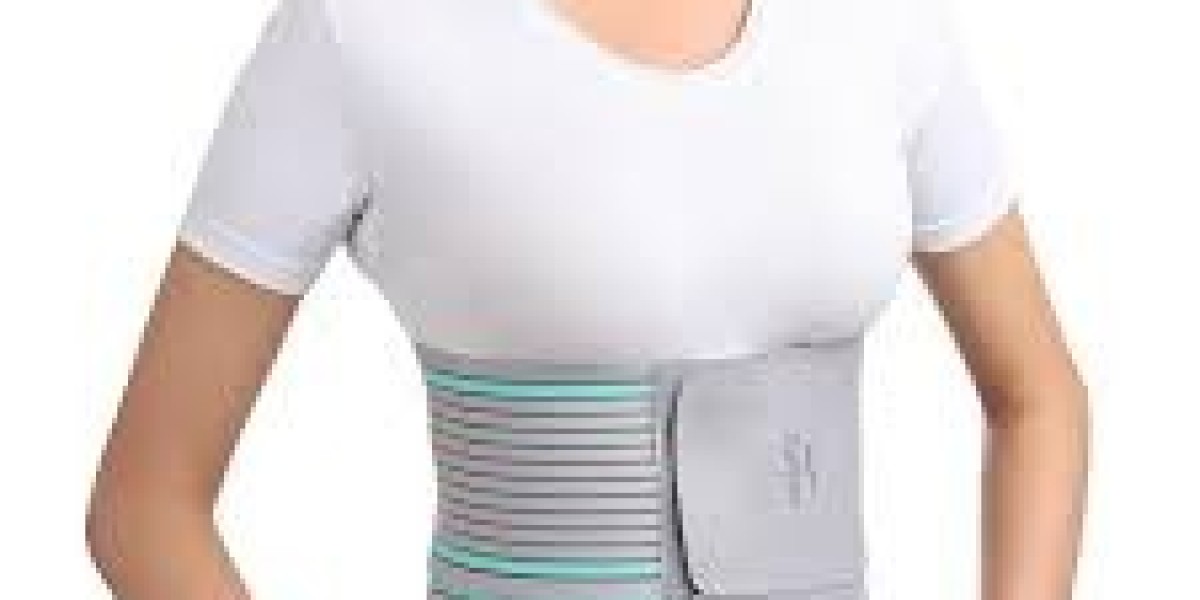
An abdominal support belt is a flexible, adjustable belt that wraps around the waist and lower abdomen. Its primary purpose is to provide gentle compression and support to the abdominal muscles and lower back. This support helps stabilize the core during movement, reduces muscle fatigue, and encourages proper posture.
People often use abdominal support belts after surgeries such as hernia repair, C-sections, or abdominal muscle procedures. They are also beneficial for individuals recovering from strains, injuries, or those with weak core muscles due to aging or long-term inactivity.
How Abdominal Support Belts Aid Recovery
1. Provides Core Stability
One of the main benefits of an abdominal support belt is its ability to stabilize the core. Weak or recovering abdominal muscles can make everyday tasks, such as standing, walking, or lifting objects, more difficult. The belt provides gentle pressure that encourages the muscles to maintain proper alignment, reducing the risk of re-injury.
2. Reduces Strain on Lower Back and Pelvis
Many abdominal injuries or post-surgery recoveries are accompanied by lower back discomfort. By supporting the abdominal muscles, the belt reduces strain on the lower back and pelvis, making standing or walking less painful.
3. Encourages Proper Posture
The compression from an abdominal support belt promotes an upright posture. Proper posture is critical during recovery as it helps distribute weight evenly, prevents unnecessary strain, and supports spinal alignment.
4. Assists in Daily Activities
For those using mobility aids like forearm crutches or post-op shoes, an abdominal support belt can make transitions—such as standing from a chair, walking short distances, or climbing stairs—more manageable and safer.
When to Use an Abdominal Support Belt
Post-Surgery Recovery
After abdominal surgeries, including hernia repairs or C-sections, gentle compression can help reduce swelling, support weakened muscles, and encourage proper healing. Doctors often recommend using a support belt while walking or performing light activities.
Muscle Strains or Weakness
If the abdominal muscles are strained due to exercise, lifting, or an accident, wearing a belt can reduce discomfort and provide support while the muscles recover.
Daily Core Support
Individuals with chronic lower back pain or weak core muscles can benefit from wearing an abdominal support belt during routine activities, especially when mobility aids like forearm crutches are used.
Using Abdominal Support Belts Correctly
To maximize the benefits, it’s important to use the belt properly:
Adjust the Fit: The belt should be snug but not overly tight. Over-compression can restrict breathing or blood circulation.
Positioning: Place the belt so that it covers the lower abdomen and supports the lower back. Ensure it does not roll or slip during movement.
Combine with Movement: Light exercise, gentle stretching, and proper posture enhance the belt’s effectiveness.
Consult Healthcare Providers: Always follow recommendations from doctors or physical therapists regarding duration and frequency of use.
Supporting Recovery with Other Tools
Forearm Crutches
Forearm crutches provide stability and reduce weight on the lower body during walking. For individuals recovering from abdominal surgeries or leg injuries, they can help maintain balance and prevent falls while the abdominal support belt stabilizes the core.
Post-Op Shoes
Post-op shoes are designed for people recovering from foot, ankle, or leg surgeries. They offer proper support and cushioning, which reduces stress on the lower body. When used together with an abdominal support belt, post-op shoes help maintain safe movement and reduce discomfort while standing or walking.
Integrated Recovery Approach
Using an abdominal support belt alongside mobility aids and ergonomic tools creates a holistic approach to recovery. The belt supports the core, forearm crutches assist with balance, and post-op shoes protect the lower extremities. Together, these tools promote safer, more confident movement during daily activities.
Additional Tips for Muscle Support and Recovery
Gentle Core Exercises: Once approved by your healthcare provider, light core strengthening exercises can enhance recovery and prevent muscle weakness.
Mindful Movement: Avoid sudden twisting or heavy lifting that can strain healing muscles.
Hydration and Nutrition: Proper hydration and a balanced diet support tissue healing and overall recovery.
Regular Check-Ins: Monitor discomfort, swelling, or unusual symptoms and consult a healthcare professional if they occur.
When to Seek Medical Advice
While an abdominal support belt is helpful, it is not a substitute for professional care. If pain persists, worsens, or is accompanied by swelling, redness, or fever, consult a doctor immediately. Additionally, incorrect use of belts, crutches, or post-op shoes can cause further strain, so professional guidance is essential.
Conclusion
An abdominal support belt is a practical, non-invasive tool that supports the core, improves posture, and reduces strain during recovery. When combined with mobility aids like forearm crutches and post-op shoes, it forms part of a safe, functional recovery routine. While not a replacement for medical care, it helps individuals regain independence and comfort during everyday activities. Simple, consistent use under professional guidance can make the process of healing smoother and more manageable, allowing users to focus on recovery and regaining strength.