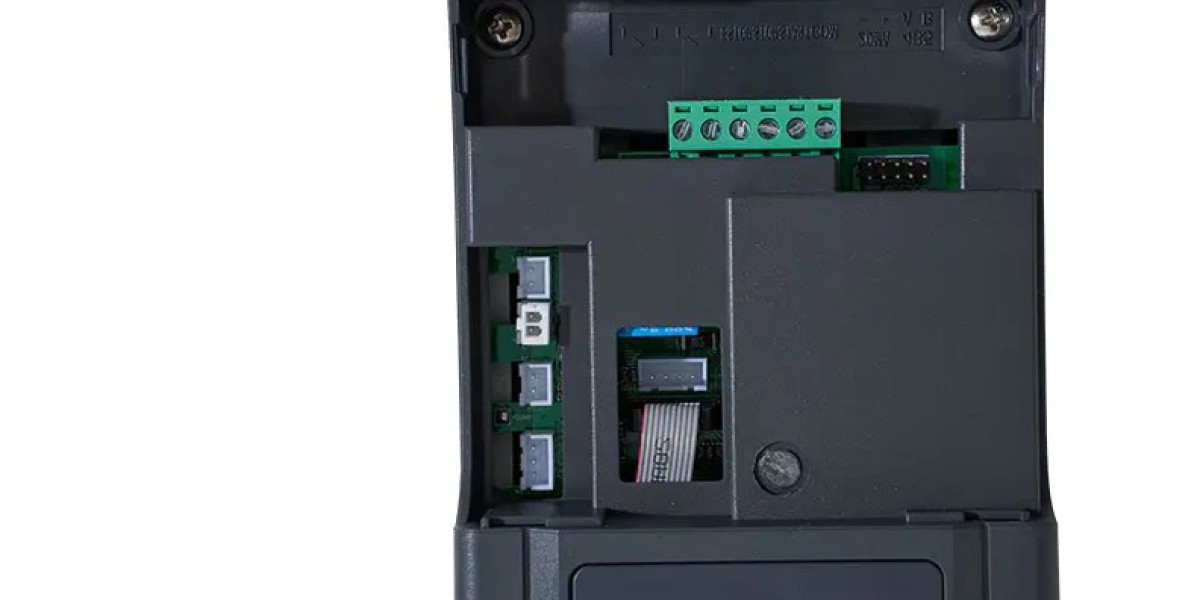

Soft Starter Cabinet and Bypass Soft Starter are widely applied in industrial motor control environments where controlled starting behavior and stable operation are required across varying load conditions.
Electric motors play a central role in industrial facilities, supporting equipment such as pumps, compressors, conveyors, mixers, and ventilation systems. Direct-on-line starting methods, while simple, can introduce sudden current surges and mechanical stress. This challenge has led many facilities to adopt soft starting solutions that moderate electrical and mechanical impact during startup phases.
A Soft Starter Cabinet typically integrates power components, control circuits, protection devices, and monitoring interfaces into a unified enclosure. By regulating voltage during motor startup, it allows the motor to accelerate gradually, reducing torque shock and minimizing stress on connected equipment. This controlled approach supports longer service intervals and more predictable operating behavior, particularly in applications where frequent starts are required.
Bypass Soft Starter configurations are often introduced after the startup sequence is complete. Once the motor reaches its rated speed, the bypass circuit redirects current away from the soft starter’s power electronics. This design reduces heat generation within the cabinet and limits long-term electrical losses. In continuous-duty applications, bypass mechanisms can contribute to energy efficiency while supporting stable current flow.
Industrial users often evaluate starter cabinets based on motor rating compatibility, load characteristics, and environmental conditions. For example, high-inertia loads may require extended ramp-up times, while pumps handling fluids demand controlled torque to avoid hydraulic shock. The selection of control parameters inside the cabinet directly influences how smoothly the motor responds during startup and transition to steady-state operation.
Another factor influencing cabinet design is protection coordination. Overload relays, phase-loss detection, short-circuit protection, and temperature monitoring are commonly integrated. These protective elements help operators identify abnormal conditions before they lead to equipment damage or downtime. Clear diagnostic indicators and accessible wiring layouts also improve maintenance efficiency.
Bypass Soft Starter designs may vary depending on operational priorities. Some systems use internal bypass contactors, while others rely on external bypass assemblies. The choice depends on cabinet size, thermal management needs, and installation preferences. In high-duty environments, external bypass arrangements may provide easier servicing and heat dissipation.
Control flexibility is another consideration. Modern starter cabinets often support communication protocols that allow integration with supervisory control systems. This capability enables operators to monitor startup performance, current trends, and fault events remotely. While not every application requires advanced communication, facilities with automated processes may find such features valuable.
Mechanical layout inside the cabinet also influences reliability. Adequate spacing between components supports airflow and reduces thermal concentration. Cable routing practices affect electromagnetic interference and ease of troubleshooting. These details, while sometimes overlooked, contribute to long-term operational stability.
Soft starter technology continues to evolve alongside industrial automation trends. However, the core principles remain focused on controlled motor acceleration, equipment protection, and operational consistency. By combining a well-designed Soft Starter Cabinet with an appropriate Bypass Soft Starter arrangement, facilities can align electrical performance with mechanical system requirements.