
Understand Your Shipping Needs
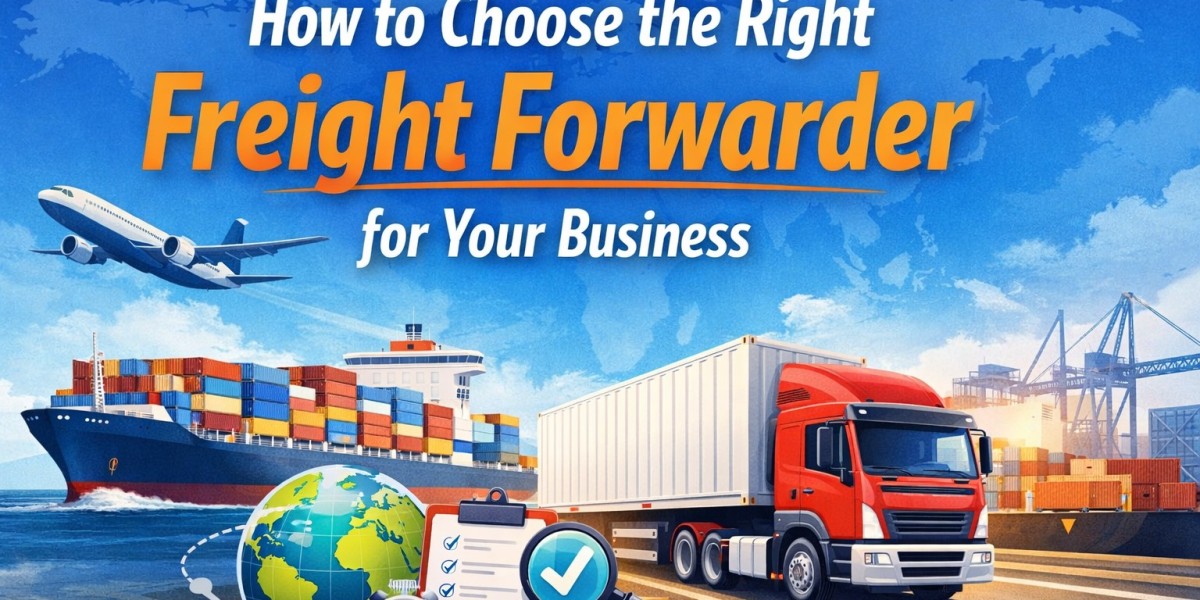
Before selecting a freight forwarder, start by clearly defining your business requirements. Consider the type of goods you ship, shipment volume, frequency, and destinations. Do you require air freight for urgent deliveries, sea freight for bulk cargo, or land transport for regional shipments? Some freight forwarders specialize in specific industries such as pharmaceuticals, electronics, perishables, or oversized cargo. Understanding your needs helps narrow your options and ensures you choose a provider with relevant expertise.
Evaluate Experience and Industry Expertise
Experience matters in freight forwarding. A forwarder with years of industry knowledge is better equipped to handle complex logistics challenges, regulatory changes, and unexpected disruptions. Look for a freight forwarder that has experience handling shipments similar to yours and operates in the regions you trade with. An experienced forwarder understands local customs regulations, port procedures, and documentation requirements, reducing the risk of delays or penalties.
Check Global Network and Carrier Relationships
A strong global network is a key indicator of a reliable freight forwarder. Forwarders with established partnerships with airlines, shipping lines, trucking companies, and overseas agents can offer more routing options, competitive rates, and flexible solutions. A well-connected freight forwarder can also quickly adapt when disruptions occur, such as port congestion or flight cancellations, ensuring your cargo continues to move smoothly.
Assess Services and Capabilities
Not all freight forwarders offer the same range of services. Some provide basic transportation, while others deliver end-to-end logistics solutions. Look for services such as customs clearance, warehousing, cargo insurance, door-to-door delivery, and real-time shipment tracking. If your business is growing, choose a freight forwarder that can scale with you and offer value-added services as your logistics needs evolve.
Transparency in Pricing and Costs
Cost is an important factor, but the cheapest option is not always the best. A trustworthy freight forwarder provides clear, transparent pricing with a detailed breakdown of costs, including freight charges, fuel surcharges, customs fees, and handling charges. Be cautious of vague quotes that may hide additional fees. Comparing multiple quotes helps you understand market rates and avoid unexpected expenses later.
Verify Licensing, Certifications, and Compliance
A reputable freight forwarder should hold the necessary licenses and certifications required to operate legally. These may include memberships with industry organizations and compliance with international shipping regulations. Proper licensing ensures that the forwarder follows industry standards and best practices. It also provides peace of mind that your cargo is handled professionally and in accordance with legal requirements.
Evaluate Communication and Customer Support
Effective communication is vital in freight forwarding. Delays, customs inspections, and weather disruptions can happen at any time. A reliable freight forwarder keeps you informed with timely updates and responds quickly to inquiries. Assess how responsive and knowledgeable their customer service team is during the initial inquiry stage. Strong communication builds trust and ensures smoother coordination throughout the shipping process.
Technology and Tracking Capabilities
Modern freight forwarding relies heavily on technology. Look for a forwarder that offers digital tools such as online booking, shipment tracking, automated documentation, and reporting dashboards. Real-time visibility allows you to monitor shipments, plan inventory, and respond proactively to delays. Technology-driven freight forwarders often provide greater efficiency, accuracy, and control over your supply chain.
Reputation and Client Reviews
A freight forwarder’s reputation speaks volumes about their reliability. Check online reviews, testimonials, and case studies to understand how they perform in real-world situations. Don’t hesitate to ask for client references, especially from businesses similar to yours. Positive feedback, long-term client relationships, and proven success are strong indicators of a trustworthy logistics partner.
Consider Long-Term Partnership Value
Choosing a freight forwarder is not just a transactional decision; it’s a long-term partnership. The right forwarder understands your business goals, adapts to your growth, and proactively suggests cost-saving or efficiency-improving solutions. A forwarder that invests time in understanding your operations can become a strategic partner rather than just a service provider.
Final Thoughts
Selecting the right freight forwarder for your business requires careful evaluation of experience, services, pricing, communication, and reliability. By taking the time to assess your needs and conduct thorough research, you can build a strong logistics partnership that supports your supply chain, reduces risks, and drives business growth. A dependable freight forwarder doesn’t just move goods—they help your business move forward.