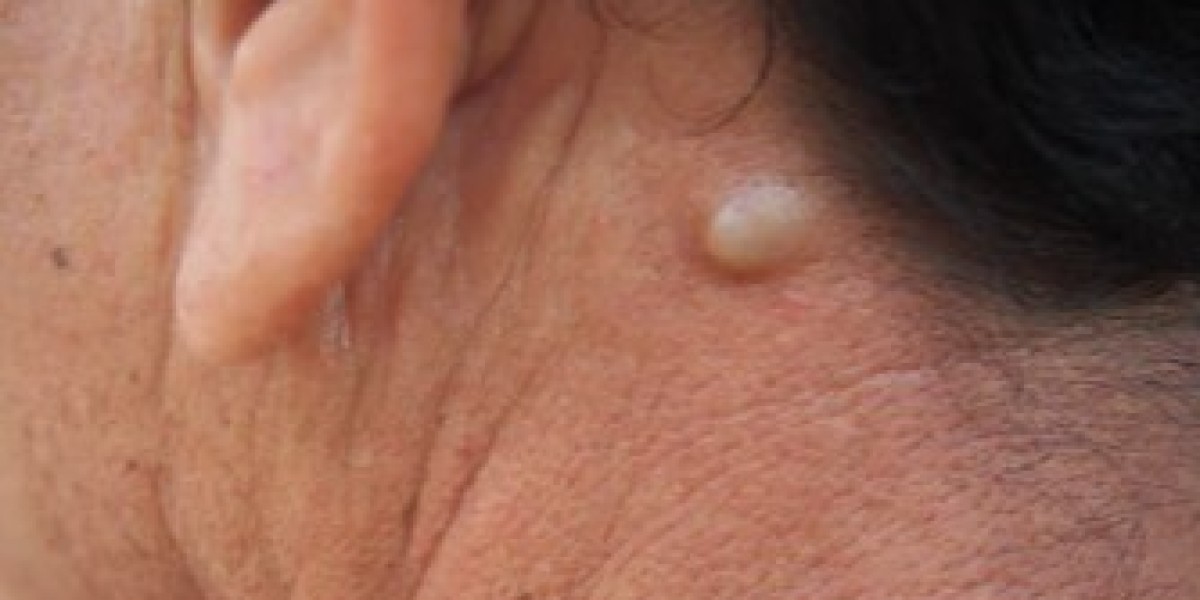

This guide covers everything you need to know about sebaceous cysts (ازالة الكيس الدهني).
What Is a Sebaceous Cyst?
A sebaceous cyst is a noncancerous lump that develops beneath the skin. It forms when a sebaceous gland—responsible for producing sebum, the skin’s natural oil—becomes blocked. This leads to a buildup of sebum inside a sac, creating a firm, round lump.
Sebaceous cysts are typically:
Painless and slow-growing
Movable under the skin
Covered by normal-looking skin
Common Causes of Sebaceous Cysts
Blocked Sebaceous Glands: Hair follicles or minor skin trauma can obstruct the gland.
Skin Injuries: Cuts, abrasions, or repeated friction may trigger cyst formation.
Genetic Factors: Some individuals have a higher tendency to develop cysts.
Acne or Skin Inflammation: Skin conditions can increase the likelihood of cysts forming.
Aging: As skin changes over time, sebaceous glands may be more prone to blockages.
Symptoms to Watch For
Small, round, firm bump under the skin
Smooth or slightly shiny skin over the cyst
Slow growth over time
Discharge of thick, yellowish material if ruptured
Redness, tenderness, or swelling if infected
Treatment Options
Observation
Many small, asymptomatic cysts do not require treatment.
Monitoring for changes is often sufficient.
Home Care
Apply warm compresses to reduce swelling and encourage natural drainage.
Keep the area clean and dry.
Avoid squeezing or popping the cyst to prevent infection.
Medical Treatments
Incision and Drainage: For painful or infected cysts; temporary relief.
Surgical Excision: Complete removal to prevent recurrence.
Antibiotics: Prescribed if infection occurs.
Minimally Invasive Options
Laser-assisted or other non-surgical methods can reduce scarring and promote faster healing.
When to See a Doctor
Consult a healthcare professional if:
The cyst grows quickly
Becomes painful, red, or swollen
Has foul-smelling discharge or pus
Recurs frequently
Prevention Tips
Maintain good skin hygiene
Avoid picking or squeezing cysts or pimples
Treat acne and skin infections promptly
Protect the skin from repeated trauma
Final Thoughts
Sebaceous cysts are generally harmless, but understanding their causes, symptoms, and treatment options helps you manage them safely. With proper care, monitoring, and timely medical intervention, you can minimize discomfort, prevent infection, and maintain healthy skin.