
We are in the midst of a global infrastructure boom, but it is unlike anything that has come before. The roads, bridges, and buildings of the 20th century were designed for a fossil-fuel economy. The infrastructure of the 21st century must be designed for a new reality: one that is decarbonized, digital, and resilient.
This shift places electrical design services at the absolute center of modern development. Electricity is no longer just one utility among many; it is the primary fuel of the future. We are electrifying our cars, our heating systems, and our industrial processes.
As a result, the electrical design engineer has evolved from a utility provider to a strategic architect of sustainability. Whether it's a smart city, a net-zero hospital, or a green data center, professional electrical engineering consultancy services are the critical "brain" that allows this new infrastructure to function efficiently and sustainably.
The Invisible Backbone of Sustainability
Sustainability is often visualized as solar panels and wind turbines. But without sophisticated electrical design, these technologies are useless. The grid must be able to accept, manage, and distribute this variable power without collapsing.
1. Designing for Efficiency First
The most sustainable energy is the energy we don't use. Professional design services begin with deep efficiency. This goes beyond specifying LED bulbs. It involves complex modeling to optimize the entire distribution network.
For example, in Cable Engineering, engineers optimize the size and routing of every conductor. A poorly designed cable network in a large facility can lose a surprising amount of energy as heat (I²R losses). By carefully selecting conductor materials and optimizing cable paths to minimize resistance, engineers can permanently reduce the facility's carbon footprint and operating costs.
2. Enabling the "Smart" in Smart Infrastructure
Sustainable infrastructure must be intelligent. It needs to respond to changes in weather, occupancy, and grid pricing. Electrical designers create the nervous system that makes this possible.
They design the integration of IoT sensors, Building Management Systems (BMS), and advanced metering infrastructures. These systems allow a building to "breathe"—automatically dimming lights when the sun shines, pre-cooling a building before peak energy prices hit, or shifting EV charging loads to times when renewable energy is abundant.
3. Resilience in a Changing Climate
Sustainability also means survivability. Climate change is bringing more frequent and severe weather events. Electrical design services are critical for hardening infrastructure against these threats.
This includes designing microgrids that can island from the main grid during a blackout, ensuring hospitals and emergency services stay online. It involves elevating critical substations above flood plains and specifying ruggedized equipment that can withstand extreme heat or cold.
The Role of the Electrical Consultant in Urban Planning
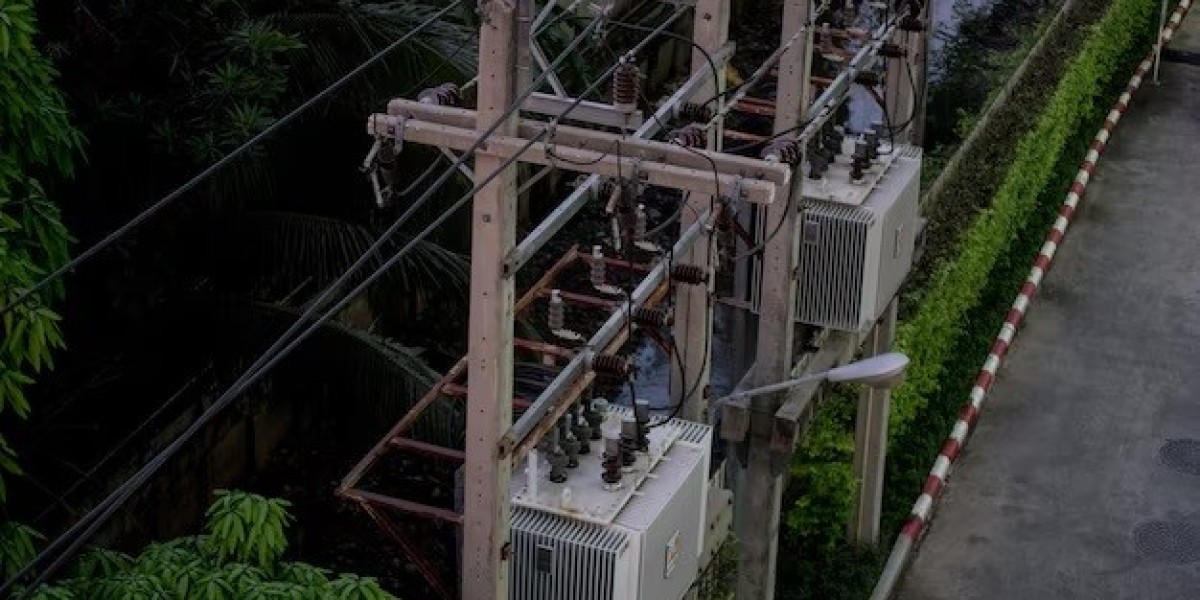
As cities expand, the density of electrical demand is skyrocketing. Electric Vehicle (EV) charging infrastructure alone poses a massive challenge. If every car in a neighborhood plugs in at 6:00 PM, the local transformer will likely explode.
Electrical consultants use advanced load modeling to solve this. They design "smart charging" strategies and battery storage buffers that allow for mass EV adoption without requiring expensive and disruptive upgrades to the entire utility grid. They are the planners who ensure that the city's electrical arteries can support its growing heart.
Designing for the Circular Economy
Finally, modern electrical design services are increasingly focused on the full lifecycle of the infrastructure. This means designing for the "circular economy."
Instead of specifying components that must be landfilled in 20 years, designers are choosing modular equipment that can be repaired and upgraded. They are selecting materials—like aluminum and copper—that are easily recyclable. They are designing systems that can be easily deconstructed at the end of the building's life, turning waste into a resource.
Frequently Asked Questions (FAQs)
1. How does electrical design impact a building's carbon footprint?
It impacts it in two ways: Operational Carbon (the energy the building uses day-to-day) and Embodied Carbon (the energy used to make the copper, steel, and plastic in the electrical system). Good design reduces both by optimizing efficiency and minimizing material waste.
2. What is a "Microgrid"?
A microgrid is a local energy system (like a campus or neighborhood) that has its own generation (solar, generators) and storage. It can connect to the main utility grid but can also disconnect and operate independently ("island mode") during a blackout, providing superior resilience.
3. Why is cable engineering considered a sustainability issue?
Because cables are massive consumers of raw materials (copper/aluminum) and a source of continuous energy loss. Optimizing cable design minimizes the mining of finite resources and reduces the wasted energy that occurs 24/7/365 in the distribution system.
4. Can old infrastructure be made sustainable through electrical design?
Forks. "Retrofitting" is a huge part of the industry. Engineers can upgrade aging switchgear, install smart meters, and replace inefficient motors with modern VFDs, breathing new, efficient life into old facilities without the carbon cost of new construction.
5. What is the biggest challenge for electrical designers today?
The biggest challenge is speed and uncertainty. Technology (like battery storage and EVs) is evolving faster than the infrastructure can be built. Designers must create flexible, adaptable systems that can accommodate future technologies that might not even exist yet.
Conclusion
As we build the infrastructure of tomorrow, we cannot use the thinking of yesterday. The challenges of climate change and urbanization demand a new level of sophistication in how we power our world. Professional electrical design services provide this expertise. They are the bridge between the goals of sustainability and the laws of physics, ensuring that our green ambitions are grounded in a safe, efficient, and resilient electrical reality.