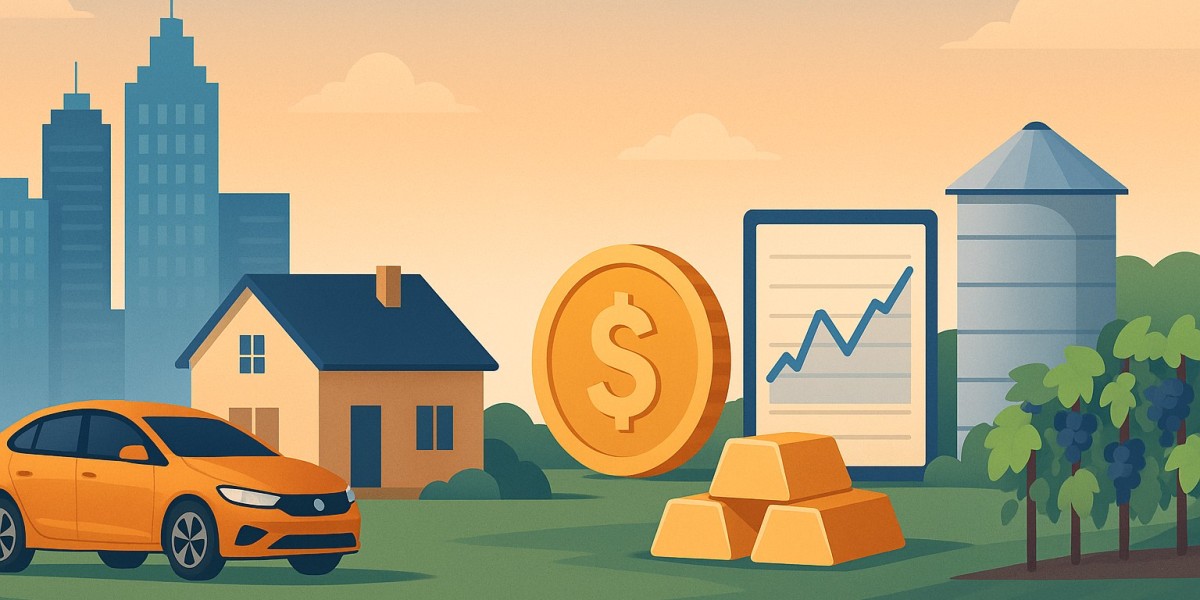

Real-world asset tokenization is redefining how the global economy interacts with physical and financial assets. As more enterprises search for reliable, transparent, and frictionless ways to manage ownership, compliance, liquidity, and investment access, RWA tokenization is emerging as one of the most impactful blockchain innovations of this decade. By converting tangible and intangible assets into blockchain-based tokens, businesses and investors gain the ability to fractionalize ownership, automate settlement, trade globally, and reduce operational overhead.
This year, the RWA market is expanding faster than ever. With institutional adoption increasing, regulatory frameworks strengthening, and blockchain infrastructure maturing, several asset classes are now primed for tokenization. These assets are not only gaining the attention of digital-first investors but also becoming central to financial institutions deploying on-chain strategies.
This article explores the top 10 real-world assets ready for RWA tokenization this year, breaking down their market maturity, benefits of tokenization, and how blockchain innovation is transforming each segment.
1. Real Estate
Real estate continues to be the number one asset leading the RWA tokenization revolution. Traditionally illiquid, expensive, and slow to transact, property markets benefit immensely from tokenization’s fractional ownership and streamlined settlement.
Why Real Estate Is Ready for Tokenization
Real estate markets worldwide are experiencing increased demand for global access and lower entry barriers. Tokenization unlocks opportunities in residential properties, commercial units, luxury villas, rental portfolios, and hospitality assets.
Key Benefits
Fractional ownership enables broader investor participation
Reduced costs for documentation, brokerage, and legal processes
Instant settlement through smart contracts
Global property trading markets open 24x7
Enhanced liquidity for developers, builders, and landlords
Tokenizing real estate creates a transparent and secure investment structure that aligns with both institutional and retail investor needs.
2. Commodities
Commodities such as gold, silver, crude oil, lithium, and agricultural produce are increasingly being digitized. With global supply chains becoming more complex and demand rising for asset-backed digital alternatives, commodities have become a major RWA category.
Why Commodities Are Tokenization-Ready
Commodity markets are historically volatile, highly regulated, and dominated by intermediaries. Tokenization introduces traceability, auditability, and fast settlement mechanisms, making asset-backed commodity tokens more reliable.
Key Benefits
Increased liquidity for traditionally storage-heavy assets
Secure ownership validation through blockchain
Easy global transfer of commodity-backed tokens
Strong attractiveness to institutions and hedge funds
Asset provenance and authenticity tracking
Gold-backed tokenization continues to lead this segment, but industrial metals and agricultural resources are growing rapidly.
3. Private Equity and Venture Capital Shares
Private markets have long been inaccessible to the general public. High minimum investments and long lock-in periods have restricted participation. Tokenization is changing this by opening private equity and VC shares to a wider investor community.
Why Private Market Shares Are Ideal for Tokenization
Funds and startups increasingly seek mechanisms to improve liquidity for early investors and founders. Tokenization enables market trading, secondary transactions, and structured investor access.
Key Benefits
Liquidity for traditionally locked and illiquid shares
Fractional investment opportunities in high-growth startups
Transparent cap table and investor rights management
Automated compliance and investor onboarding
Faster raising and exiting cycles for founders and shareholders
Tokenization is evolving into a central component of next-generation fundraising.
4. Government Bonds
Government bonds, treasury bills, and public debt instruments form one of the most stable global investment markets. Tokenizing bonds brings speed, transparency, and efficiency to a market that still relies on legacy systems.
Why Bonds Are On-Chain Ready
Central banks and financial authorities worldwide are advocating for tokenized securities to modernize national financial systems. Several countries have already run pilot programs for blockchain-powered bonds.
Key Benefits
Instant settlement cycles replacing T plus 2 or T plus 3 setups
Reduced reliance on intermediaries
Broader investor access to sovereign debt
Lower operational costs for issuers
Improved compliance and reporting standards
Tokenized bond ecosystems are expected to grow rapidly across emerging and developed economies.
5. Art and Collectibles
The art investment market has always been seen as exclusive and difficult to access. Tokenization introduces liquidity, fractional ownership, transparency, and global accessibility, transforming how collectors and investors engage with fine art.
Why Art and Collectibles Are Perfect for Tokenization
Artworks, sculptures, rare manuscripts, vintage cars, jewelry, and luxury collectibles represent high-value assets with long-term appreciation potential. Tokenization makes them investment-ready.
Key Benefits
Fractional ownership of high-value art pieces
Global investor access to limited-edition works
Secure proof of authenticity and ownership
Lowers fraud risks through blockchain validation
Creates liquid secondary markets for previously illiquid assets
The cultural and financial impact of art tokenization is just beginning to unfold.
6. Intellectual Property
Intellectual property including patents, copyrights, trademarks, media rights, and royalties is becoming a top category for tokenization-driven revenue modernization.
Why IP Assets Are Tokenization-Ready
Entertainment, technology, music, and publishing industries are aggressively exploring blockchain-based royalty distribution. Tokenized IP unlocks better monetization pathways for creators and rights holders.
Key Benefits
Fractional rights ownership increasing accessibility
Automated royalty distribution through smart contracts
Transparent revenue tracking across multiple platforms
Direct creator-to-investor relationships
Enhanced liquidity for undervalued IP portfolios
Tokenized IP rights provide sustainable financial growth for creative industries.
7. Carbon Credits
Carbon markets are expanding rapidly as enterprises aim to meet environmental, social, and governance goals. Tokenization makes carbon credits more transparent, traceable, and globally tradable.
Why Carbon Credits Are Ideal for Tokenization
Traditional carbon markets suffer from double-counting issues, fraud, and slow verification processes. Digitizing carbon credits ensures accurate validation and seamless trading.
Key Benefits
Real-time tracking and auditing of carbon offsets
Fraud prevention and clear ownership lifecycle
Trusted global marketplace for verified credits
Encourages companies to adopt greener strategies
Lower volatility through transparent pricing mechanisms
Tokenized carbon credits could reshape sustainability finance across industries.
8. Supply Chain Assets
Tokenizing supply chain assets including inventory, invoices, and logistics documentation introduces automation and traceability into global trade operations.
Why Supply Chain Assets Are Tokenization-Ready
Businesses are demanding more transparency in sourcing, shipment tracking, customs approvals, and vendor payments. Tokenization enhances the accuracy and accessibility of supply chain information.
Key Benefits
Real-time visibility for buyers and suppliers
Automated payouts triggered by delivery milestones
Reduced fraud and counterfeit risks
Efficiency in cross-border trade
Lower working capital cycles
Tokenized assets optimize procurement, warehousing, and distribution across sectors.
9. Corporate Debt Instruments
Corporate bonds, debentures, and structured debt products are gaining momentum as enterprises want faster financing and improved investor access.
Why Corporate Debt Is Ready for Tokenization
As interest in alternative financing grows, companies want more inclusive markets. Tokenization creates digital debt products that are easier to issue, manage, and trade.
Key Benefits
Faster issuance processes
Secondary market liquidity for corporate debt
Transparent payment tracking
Automated coupon payouts
Broader investor participation
Enterprises see tokenized debt as a competitive advantage in capital structure planning.
10. Luxury Goods
Luxury watches, handbags, rare wines, diamonds, and designer collectibles are now among the most popular RWA categories. Tokenization unlocks fractional investment potential in global luxury markets.
Why Luxury Goods Are Tokenization-Friendly
Luxury assets consistently appreciate in value over time. Tokenization makes these high-value items accessible to diverse investors while maintaining strict authenticity verification.
Key Benefits
Fractional investment in exclusive luxury items
Blockchain-based product verification
Secondary markets for trading luxury shares
Transparent proof of ownership
Limited risk of counterfeit products
Tokenization transforms luxury assets into digital investment ecosystems.
Conclusion
RWA tokenization is no longer a theoretical concept but an active global movement reshaping asset ownership, investment models, and financial market infrastructure. The ten categories discussed in this article represent the most promising and investment-ready assets for tokenization this year. Each asset class brings its unique value propositions, yet all benefit from blockchain’s core strengths such as transparency, fractionalization, automation, and global accessibility.
As more businesses, governments, and investors join the RWA ecosystem, tokenization will unlock unprecedented capital efficiency and pave the way for a new digital financial era. Whether for real estate, commodities, luxury goods, or intellectual property, tokenization offers an opportunity to democratize access, eliminate inefficiencies, and redefine how the world interacts with real-world assets.
RWA tokenization is set to become one of the largest wealth-building markets of this decade. The question now is not whether enterprises should tokenize their assets, but how quickly they can integrate blockchain-powered asset models to remain competitive in an increasingly digital economy.