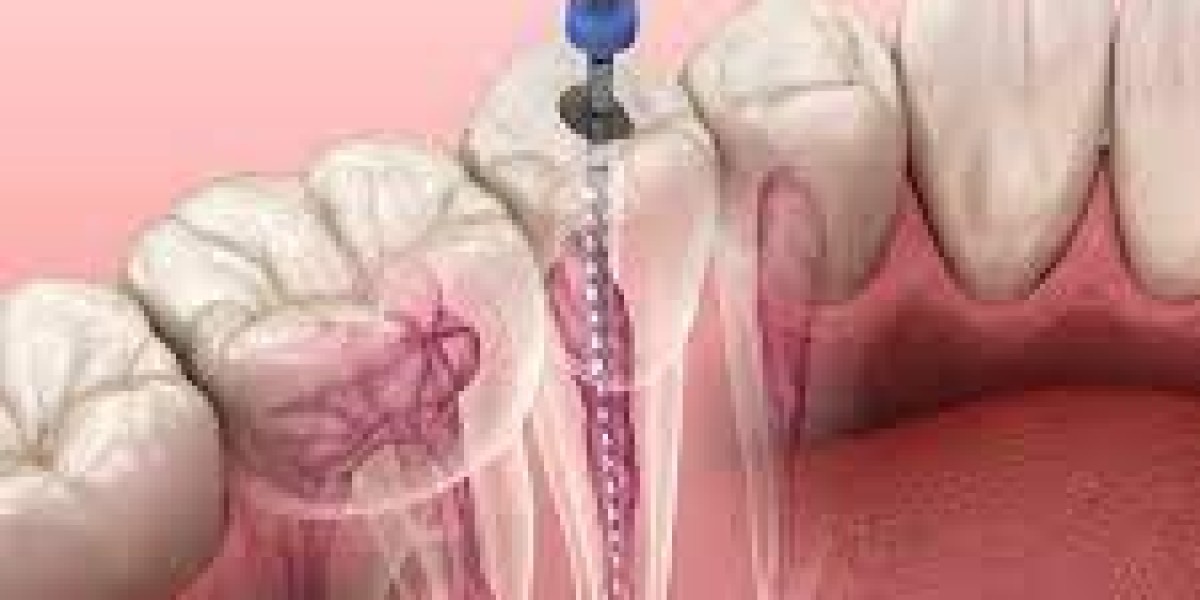

Being ill is never fun, but when tooth pain appears unexpectedly during sickness, it can make recovery even more challenging. Many people wonder what causes tooth pain when i'm sick, particularly when they haven’t had prior dental issues. The connection between illness and tooth discomfort is surprisingly common, and understanding the causes can help you manage pain effectively and prevent unnecessary stress.
When your body is fighting an infection, whether it’s a cold, flu, or sinus infection, several physiological changes occur. Inflammation increases, sinuses can become congested, saliva production can decrease, and jaw muscles may tense up. All of these changes can contribute to tooth sensitivity or pain, even if your teeth are otherwise healthy. Recognizing these factors allows you to address discomfort promptly.
As Dental Advice Today notes, oral health is deeply intertwined with overall health. Even minor disruptions caused by illness—like reduced saliva, inflammation, or sinus pressure—can make your teeth feel sore or sensitive. Understanding these connections helps you take proactive steps to minimize discomfort and maintain oral hygiene, even when feeling unwell.
How Illness Affects Your Teeth
Tooth pain during sickness usually isn’t caused by cavities alone. Instead, it often results from a combination of factors triggered by your body’s response to illness.
Sinus Pressure on Upper Teeth
Your upper molars are located very close to your maxillary sinuses. When these sinuses become inflamed due to colds, flu, or sinus infections, swelling creates pressure on the roots of the upper teeth. This pressure can lead to a dull or throbbing ache, which may worsen when you bend over or lie down. Many people mistake this type of pain for a cavity, even though it’s typically related to sinus congestion.
Nerve Sensitivity From Inflammation
Fighting illness triggers your immune system to release inflammatory chemicals, which can heighten nerve sensitivity throughout your body, including in your teeth and gums. Even minor irritations, such as slight enamel wear or gum inflammation, can feel amplified during this time.
Dry Mouth From Mouth Breathing
Illness often causes nasal congestion, forcing you to breathe through your mouth. Mouth breathing dries out oral tissues and reduces saliva, which normally protects teeth from bacteria and acid. A dry mouth can lead to heightened sensitivity and irritation, making tooth pain more noticeable.
Lifestyle Factors During Illness That Increase Tooth Pain
Being sick often disrupts normal routines, and these changes can contribute to oral discomfort.
Dehydration and Its Effects on Teeth
Fever, sweating, vomiting, and reduced fluid intake can lead to dehydration. Without sufficient saliva, your teeth are more susceptible to acid and bacterial irritation, resulting in increased sensitivity and discomfort.
Acidic and Sugary Foods
Many people rely on citrus drinks, herbal teas with lemon, or sweetened cough syrups during illness. These acidic or sugary substances can soften enamel and irritate teeth, especially when combined with dry mouth.
Teeth Grinding or Clenching
Stress, poor sleep, and congestion during illness may cause unconscious teeth grinding or clenching, especially at night. This pressure can lead to soreness that radiates to multiple teeth and the jaw, often mistaken for a dental issue.
Specific Illnesses and Their Dental Impact
Different illnesses can affect your teeth in unique ways, producing various types of discomfort.
Common Cold and Flu
These illnesses often cause sinus inflammation and congestion, which can affect upper teeth. Pain tends to be dull, affects multiple teeth, and may be exacerbated by dehydration or fever.
Sinus Infection
Sinus infections create intense pressure around the cheeks, forehead, and eyes. This pressure can radiate to the upper molars, causing a sensation of toothache. Treating the sinus infection often alleviates the dental discomfort.
Strep Throat
Although primarily affecting the throat, strep infections can cause referred pain in the jaw and molars. Swollen lymph nodes and inflammation in oral tissues can contribute to the sensation of tooth pain.
Respiratory Illnesses like COVID-19
Respiratory infections often cause dry mouth, sinus swelling, and jaw tension. Patients may notice mild tooth sensitivity or discomfort during the illness, which generally resolves after recovery.
How to Relieve Tooth Pain While Sick
Most tooth pain related to illness can be managed at home with simple remedies.
Reduce Sinus Pressure
Since sinus pressure is a leading cause of upper tooth pain, relieving it can help significantly. Effective methods include:
Warm compresses on the cheeks or forehead
Steam inhalation from hot showers or bowls of water
Saline nasal sprays
Using a humidifier to maintain moisture in the air
As sinus inflammation decreases, tooth pressure typically diminishes as well.
Stay Hydrated
Drinking water keeps the mouth moist, prevents bacterial overgrowth, and supports immune function. Hydration also helps reduce inflammation, which may lessen tooth sensitivity.
Gentle Oral Hygiene
Maintaining oral care during illness is essential:
Brush with a soft-bristled toothbrush twice daily
Floss gently once a day
Use warm saltwater rinses to soothe inflamed gums
Avoid brushing immediately after acidic foods or vomiting to protect enamel
Consistent hygiene limits additional irritation and sensitivity.
Additional Relief Strategies
If tooth pain persists or intensifies, additional steps can provide relief.
Sugar-Free Lozenges
Sucking on sugar-free lozenges stimulates saliva production, keeping the mouth moist and reducing sensitivity.
Warm Saltwater Rinses
Saltwater rinses reduce bacterial load, soothe gum tissue, and help maintain oral cleanliness when brushing is uncomfortable.
Monitor Diet
Avoid acidic or sugary foods and beverages during illness, as they can aggravate enamel sensitivity.
When to See a Dentist
While most tooth pain during illness is temporary, certain symptoms indicate the need for professional evaluation.
Pain That Persists After Recovery
If tooth pain continues beyond your illness, underlying dental problems like cavities, cracked teeth, or gum disease may be responsible.
Severe Pain in a Specific Tooth
Localized, sharp pain usually indicates a dental problem rather than illness-related discomfort. Immediate dental consultation is recommended.
Swelling or Foul Taste
Swelling, pus, or a bad taste in the mouth can signal an abscess or serious infection requiring urgent care.
Preventing Tooth Pain During Future Illnesses
Maintaining oral health can reduce the likelihood of tooth discomfort during sickness.
Maintain Sinus Health
Saline sprays, proper hydration, and managing allergies can prevent sinus pressure from affecting your teeth.
Consistent Oral Hygiene
Regular brushing, flossing, and mouthwash use strengthen teeth and gums, making them less vulnerable to pain during illness.
Regular Dental Checkups
Routine visits allow dentists to identify cavities, gum disease, or cracks early, preventing discomfort during future illnesses.
FAQs
Q: Why do my upper teeth hurt when I’m sick?
A: Upper teeth are close to the sinuses. Congestion or inflammation can create pressure on tooth roots, causing discomfort.
Q: How can I distinguish sinus-related pain from a dental problem?
A: Sinus pain usually affects multiple teeth and worsens when bending forward. Dental pain is often sharp, localized, and may include swelling or sensitivity to temperature.
Q: Should I see a dentist while still sick?
A: Mild, generalized pain can often be monitored. However, severe, localized pain or swelling requires prompt dental evaluation.
Conclusion
Unexpected tooth pain during sickness is common, typically caused by sinus pressure, inflammation, dry mouth, medication side effects, or teeth grinding. Most discomfort resolves as your body recovers.
By staying hydrated, maintaining oral hygiene, relieving sinus pressure, and monitoring symptoms, you can minimize tooth pain while sick. Persistent or severe pain should always be evaluated by a dentist to ensure your teeth remain healthy long-term. Understanding these connections helps you manage pain effectively and protects your oral health, even when illness strikes.