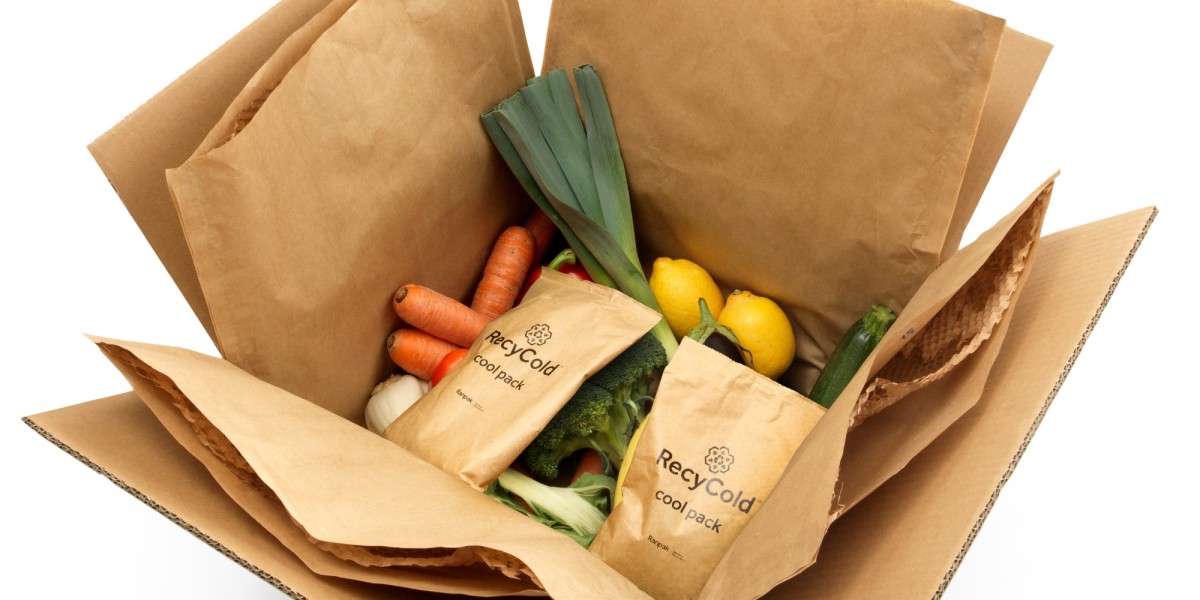

Smart packaging tips for shipping perishable food items are important for every business that sells food that must stay fresh. When food needs to travel long distances, the right packaging protects it from heat, moisture, bacteria, and damage. Many brands today depend on fast delivery and strong materials to make sure food arrives in good shape. With the rise of online food shopping, companies must improve how they pack and ship fresh goods. This helps build trust, repeat sales, and fewer returns.
Why Smart Packaging Matters for Safe Food Shipping
Smart packaging helps keep food safe during travel by controlling temperature and guarding the product inside the box. It also helps a brand look more professional and reliable. Today, customers expect fresh food to stay cold and clean until it reaches their home. That is why many companies follow better packaging rules that protect food from the time it leaves the kitchen to the moment it reaches the buyer.
Many brands learn new ways to manage their needs for shipping perishable food items so they can improve their results. When businesses follow good packaging steps, they reduce food waste and increase shipping success.
Key Materials Needed for Perishable Food Packaging
Choosing the right materials is very important in safe food shipping. Some foods need extra cold protection, while others must be dry or sealed from air. Good packaging materials keep food fresh even in changing weather. Using the wrong type can cause spoilage, leaks, bad smells, and customer complaints.
Insulated Liners
Insulated liners help keep cold air inside the box. These liners are often made of foam or special thermal fabric. They stop warm air from reaching the food.
Cold Packs and Gel Ice
Cold packs help keep food cool for long hours. Gel ice packs are better because they stay cold even when packages are delayed.
Strong Outer Boxes
A strong outer box stops crushing and damage during travel. Corrugated cardboard is the best choice because it is tough and easy to recycle.
How Temperature Control Helps Freshness
Temperature is the biggest factor in food safety. If food gets too warm, bacteria grow fast. This can make food unsafe. Smart packaging must help keep the food at a stable temperature from the start of the journey to the end. Using thermal liners, ice packs, and sealed containers all work together to keep food cold.
Delivery time is also important. If shipping takes too long, even good packaging may not help enough. That is why many brands use express shipping when sending meat, dairy, seafood, and baked foods.
Easy Steps to Prepare Food for Shipment
Many businesses follow a simple process to prepare food for shipping. These steps help reduce risk and keep everything fresh.
Cool the food before packing so the temperature stays low.
Use a cold pack system that matches the food type.
Seal containers to stop leaks.
Add absorbent pads if shipping meat or seafood.
Use a strong box with insulation.
These steps protect the food from heat and movement while shipping.
Tips to Improve Packaging Safety During Travel
Protecting food during shipping means looking at how the box will be handled. Boxes go through many stops before reaching the customer. They may sit in a truck, a warehouse, or on a doorstep. Smart packaging is prepared for all these situations. more
Add Cushioning
Cushioning stops food from shaking inside the box. This helps fragile or soft items stay in shape.
Use Leak-Proof Containers
Leak-proof containers block spills from getting on other items. They also stop moisture from entering the food.
Use Clear Labels
Labels tell the shippers that the package contains perishable items. This helps drivers place the box in better spots inside the truck or warehouse.
Smart Packaging Tips Brands Should Follow
Smart packaging is more than putting food in a box. It means planning for safe travel. Below is one paragraph of helpful bullet points:
• Choose strong corrugated boxes that protect the food
• Use insulated liners to maintain the right temperature
• Add gel ice packs for long-distance shipping
• Seal food in airtight containers to stop contamination
• Avoid overpacking so the cold air can move easily
• Add labels showing delivery teams that the food is perishable
These tips help brands avoid spoilage and keep customers happy.
Benefits of Smart Packaging for Perishable Food
Smart packaging offers many benefits for shipping food that needs to stay fresh. custom size boxes. When businesses choose the right materials, they protect their product quality. Customers get food that still looks and tastes good. This builds trust and leads to repeat orders. Good packaging also helps reduce refunds and food waste.
Safe packaging also protects your brand image. Customers will trust a business that sends clean, fresh food every time.
Using Technology for Better Food Shipping
Modern technology makes shipping perishable food safer. Temperature indicators tell if the food got too warm during travel. Some brands use smart labels that change color when the temperature changes. Others use small trackers that show where the package is and how long it has been traveling.
These tools help companies learn where their shipping process needs improvement. They also help customers feel more confident about the food they buy online.
Eco-Friendly Packaging Choices
More companies are now looking for packaging that helps protect the planet. Eco packaging materials like plant-based foam, recycled cardboard, and paper-based liners are all good options. They help reduce waste and show customers that your business cares about the environment.
Eco-friendly packaging can still protect food well. Many brands choose it because it offers both safety and sustainability.
What Businesses Gain from Better Food Shipping
Better packaging helps businesses reach more customers, ship farther, and reduce the risk of spoilage. When food stays fresh longer, companies can send it to different cities or even other countries. It also helps build a stronger brand image in the food market.
Good packaging lets businesses sell meat, dairy, frozen foods, baked goods, and more with confidence.
Final Thoughts on Smart Packaging for Perishables
Smart packaging is the key to moving fresh food from one place to another safely. With the right materials, cold packs, insulation, and planning, every business can ship food with confidence. Customers expect food to arrive safely, and strong packaging helps meet these expectations.
When your business follows smart packaging rules, it creates safer shipments and better customer experiences. Companies that grow in the food shipping world must keep learning new ways to protect their products.