
On a warm summer afternoon, Jason stood in his backyard, envisioning his dream of switching to solar. He had done months of research, spoken to multiple installers, and saved enough to finally invest. But when he was shown two different panel types—sleek black monocrystalline and bluish polycrystalline—he froze.
The choice suddenly felt bigger than picking a panel. It felt like choosing what kind of solar future he wanted.
This article helps you avoid the confusion Jason faced by breaking down Monocrystalline vs. Polycrystalline Solar Panels in a simple, clear way so you can make a confident decision.
Understanding Solar Panel Types
What Monocrystalline Panels Are
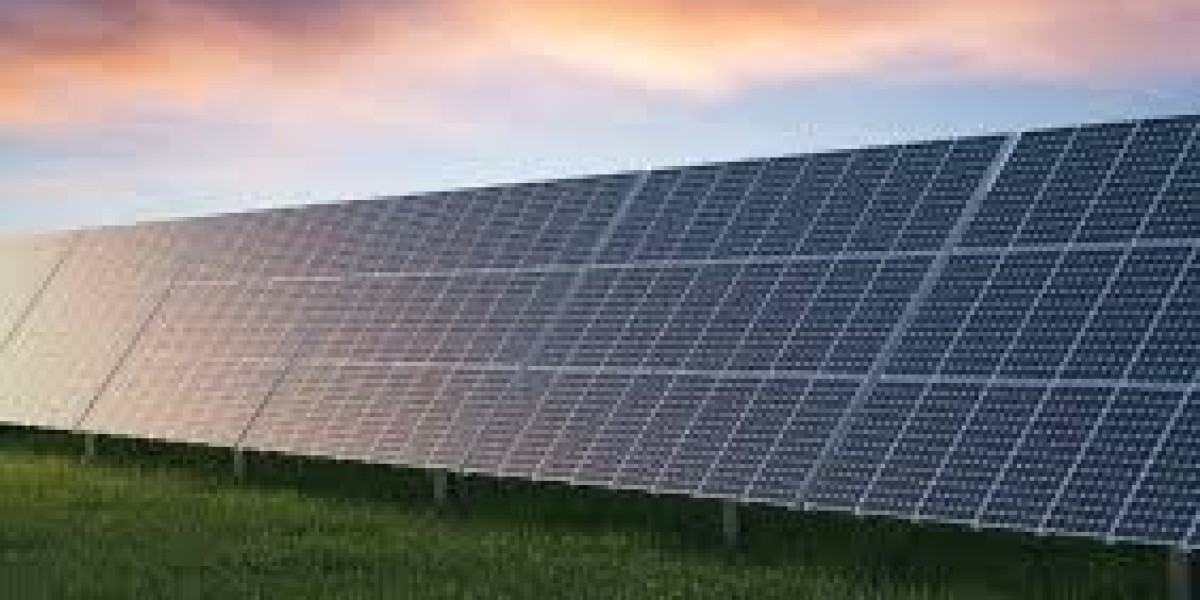
Monocrystalline panels are made from a single, pure silicon crystal. This gives them their distinct black appearance and allows electrons to move more freely. Because of this structure, they’re known for higher efficiency, strong durability, and great performance in limited space.
What Polycrystalline Panels Are
Polycrystalline panels are created by melting multiple fragments of silicon together. Their signature blue-speckled look comes from the way light reflects off the multiple crystals. They’re typically more affordable and deliver dependable performance, especially in moderate climates.
Efficiency and Power Output
Monocrystalline Efficiency
Monocrystalline panels often offer the highest efficiency ratings, typically between 18% and 24%. Their single-crystal design helps them convert sunlight more effectively, which is ideal for homes with limited roof space.
Polycrystalline Efficiency
Polycrystalline panels usually range from 14% to 18% efficiency. While slightly lower, they still provide reliable performance, especially when you have plenty of roof space or are working within a specific budget.
Performance in Real Conditions
Heat and Temperature Impact
Monocrystalline panels outperform in high-temperature environments due to better heat tolerance. Polycrystalline panels experience more performance drop under heat but still maintain stability in mild weather conditions.
Shade and Low-Light Response
Monocrystalline panels deliver stronger performance in low-light or shaded conditions. Polycrystalline panels are more sensitive to shading, which can reduce their output more noticeably.
Cost and Budget Considerations
Upfront Investment
Polycrystalline panels are generally more affordable because of simpler manufacturing. Monocrystalline panels cost more but offer higher output and long-term savings.
Long-Term Value
If you plan to stay in your home for many years, monocrystalline panels often deliver better ROI. However, if you want an economical entry into solar, polycrystalline panels remain a solid option.
Appearance and Aesthetics
Design Differences
Many homeowners prefer the uniform black look of monocrystalline panels for modern homes. Polycrystalline panels have a blue tone, which some find less sleek but still visually appealing.
Roof Integration
Because monocrystalline panels are more efficient, you may need fewer of them, creating a cleaner, more compact array on your roof.
Durability and Lifespan
Panel Lifespan Comparison
Both panel types typically last 25+ years, though monocrystalline panels may retain slightly higher efficiency toward the end of their lifespan.
Warranty Factors
Both options come with strong warranties—usually 10–12 years product warranty and 25 years performance warranty.
Environmental Impact
Manufacturing Process
Polycrystalline panels generate less waste during manufacturing, making them slightly more environmentally friendly. Monocrystalline panels require more energy and silicon purification.
Sustainability Outlook
Both contribute significantly to reducing carbon footprint and lowering long-term environmental impact.
Which Panel Should You Choose?
Decision Based on Space
If you have limited roof space → Monocrystalline.
If you have ample roof space → Polycrystalline.
Decision Based on Budget
If you need the most affordable option → Polycrystalline.
If you want top performance → Monocrystalline.
Decision Based on Aesthetics
If sleek, modern appearance matters → Monocrystalline.
Final Comparison Overview
Here is where the core keyword is placed a third time:
Whether you’re a first-time buyer or upgrading your system, evaluating Monocrystalline vs. Polycrystalline Solar Panels means balancing upfront cost, efficiency, available roof space, and long-term goals. Understanding these differences ensures your solar system aligns with both your energy needs and investment plans.
Conclusion
Choosing between monocrystalline and polycrystalline solar panels doesn’t have to be overwhelming. When you break down efficiency, performance, appearance, and cost, the right choice becomes clear based on your home and energy goals. Whether you prioritize cutting-edge performance or budget-friendly dependability, both options offer a path toward clean, renewable energy.
By understanding the true differences in Monocrystalline vs. Polycrystalline Solar Panels, you empower yourself to build a solar setup that serves you for decades—just like Jason eventually did when he chose the panel that matched his needs and future goals.