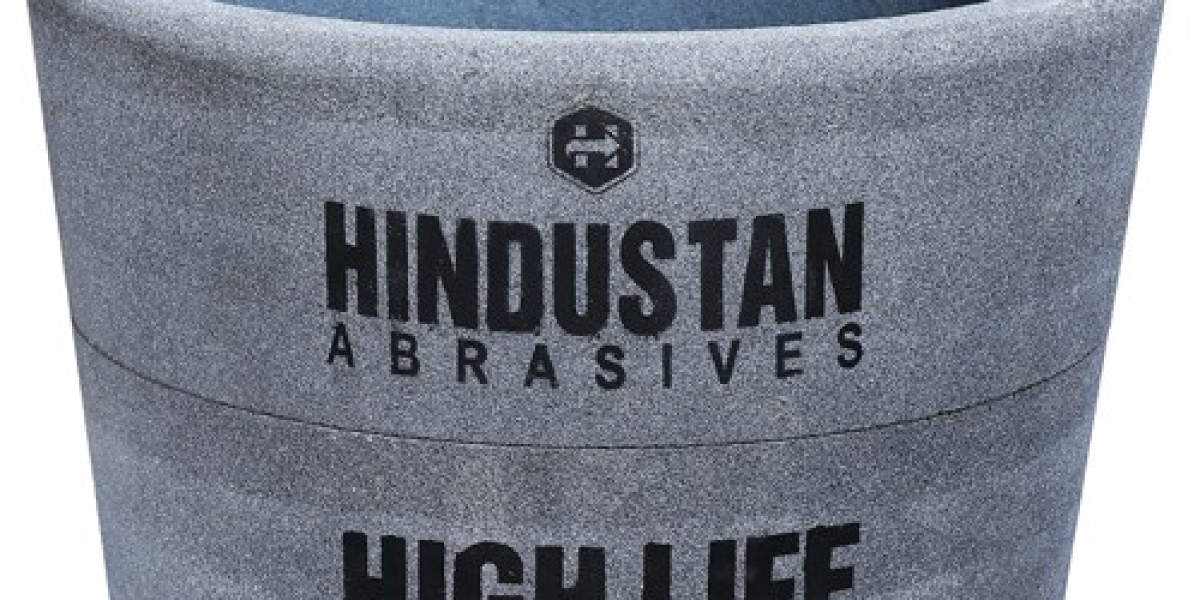

In the modern rice milling industry, product quality, polishing efficiency, and minimum grain breakage are essential for maintaining profitability. One major component responsible for achieving a high-quality finish in rice milling equipment is the Rice Abrasive Stone. These stones play a crucial role in polishing and whitening processes. Choosing the right Rice Abrasive Stone Manufacturer can significantly impact the performance of your milling machinery, product consistency, and your mill’s overall output.
This article covers everything you need to know about rice abrasive stones, their importance, manufacturing quality, and how to select the best manufacturer for your rice-milling business.
What Is a Rice Abrasive Stone?
A rice abrasive stone is a specialized grinding and polishing component used in rice milling machines like:
Rice Whitener Machines
Cone Polishers
Rice Polishing Machines
Abrasive Rollers
Whitening Stones
These stones are made from premium abrasive grains such as silicon carbide (SiC) or aluminum oxide (Alox). Their abrasive surface removes the bran layer from brown rice, improves texture, enhances brightness, and creates a smooth, glossy finish without damaging the grains.
Why Rice Abrasive Stones Are Important in Rice Milling
Abrasive stones are the heart of any rice polishing machine. Their quality directly affects:
1. Whitening Efficiency
High-quality stones remove the bran uniformly, improving the whiteness level of rice.
2. Polishing Quality
A smooth abrasive surface ensures uniform polishing and enhances shine.
3. Lower Broken Rice Percentage
A good abrasive stone minimizes grain breakage, increasing the yield of whole kernels.
4. Machine Life & Performance
High-strength stones reduce machine wear and maintain stable performance over long periods.
5. Consistent Output
Good-quality stones maintain consistency across batches, ensuring predictable polishing results.
How Rice Abrasive Stones Are Manufactured
A professional Rice Abrasive Stone Manufacturer follows a structured and precise manufacturing process:
1. Selection of Raw Abrasive Grain
Manufacturers use premium abrasive materials such as:
Green Silicon Carbide
Black Silicon Carbide
White Fused Alumina
Brown Fused Alumina
These grains determine the cutting ability and performance of the stone.
2. Bonding Material Preparation
A bonding agent (vitrified bond or resin bond) is mixed with abrasive grains. The ratio affects hardness, porosity, and durability.
3. Molding and Pressing
The blend is molded into shape (cone, roller, or stone) and compressed to form a dense structure.
4. High-Temperature Firing
In a furnace, stones are fired at high temperatures to strengthen bonding and create a stable, long-lasting abrasive tool.