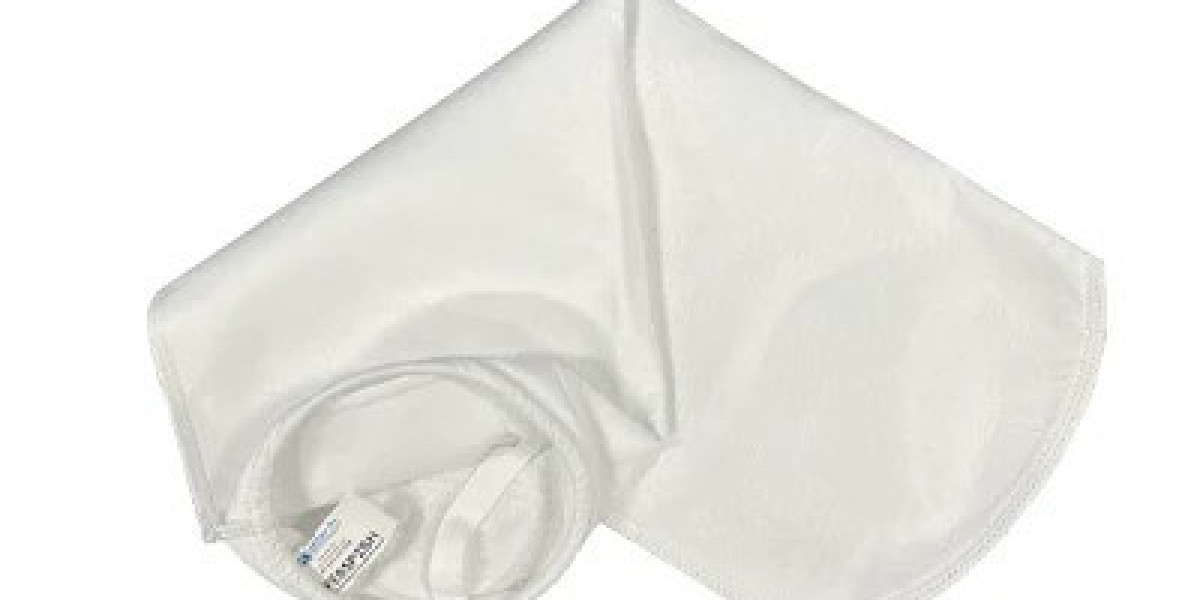

Hydraulic systems fail quietly at first. A little contamination here, a little wear there, and suddenly a pump's seizing up during peak production. Most of it traces back to hydraulic filters not doing their job, or not being maintained the way they should. I've watched maintenance techs chase mystery breakdowns for weeks only to find dirty fluid was the culprit the whole time. It's usually not complicated once you know what to look for, but people overlook it constantly.
What Contamination Actually Looks Like in Hydraulic Systems
Contamination isn't always obvious, that's part of the problem. Sometimes it's visible sludge or metal shavings, other times it's microscopic particulate you can't see without lab analysis. Water ingress, air bubbles, degraded fluid additives, all of it counts as contamination even if the oil looks clean to the naked eye. Hydraulic filters exist specifically to catch this stuff before it reaches pumps, valves, and cylinders where real damage happens fast.
Common Causes of Filter Contamination
Dirty fill practices are a huge one, pouring fluid straight from an unsealed container without filtering it first. Seal degradation lets contaminants sneak in through worn gaskets and fittings too, slowly at first, then all at once. Environmental exposure during maintenance, open reservoirs sitting uncovered, dust settling into hydraulic lines, it adds up over time. None of this is exotic stuff, it's mostly sloppy habits that hydraulic filters were designed to compensate for, assuming they're actually maintained properly.
The Real Risks of Ignoring Contamination
Skip filter maintenance long enough and you're looking at accelerated wear on pumps, valves, and cylinders, sometimes catastrophic failure without much warning. Contaminated fluid acts almost like sandpaper inside precision components, and hydraulic systems run tight tolerances that don't forgive much. Downtime costs add up fast too, a failed pump mid-shift isn't just a repair bill, it's lost production hours nobody budgeted for. Prevention is genuinely cheaper than the alternative here, every single time.
Why PTFE Filter Media Handles Tough Conditions Better
Standard filter media works fine in a lot of applications, but aggressive hydraulic fluids or high-temperature systems push some materials past their limits. A PTFE filter handles chemical exposure and temperature swings that would degrade cellulose or standard synthetic media over time. Teflon-based filtration resists breakdown from harsh additives found in certain hydraulic fluids, which means longer service intervals and fewer surprises. It's not always necessary, but for demanding systems, PTFE filter cartridges earn their keep.
Particle Count Monitoring and Why It Matters
Most facilities don't check particle counts until something's already gone wrong, which is backwards honestly. Regular fluid sampling tells you exactly how contaminated your hydraulic system actually is, long before symptoms show up in equipment performance. ISO cleanliness codes give a standardized way to track this over time, and comparing readings against manufacturer specs flags problems early. Hydraulic filters can only do so much if nobody's verifying they're actually keeping contamination levels where they need to be.
Filter Selection Matters More Than People Assume
Not every hydraulic filter suits every application, and picking the wrong micron rating or media type causes problems either way. Too fine a rating and you get premature clogging, too coarse and contaminants slip through to damage downstream components anyway. Systems running aggressive fluids or elevated temperatures often benefit from upgrading to PTFE filter media specifically because standard options degrade faster under those conditions. Matching filtration to actual operating conditions, not just budget, prevents a lot of headaches later.
Maintenance Practices That Actually Prevent Contamination
Scheduled fluid analysis catches problems early, way earlier than waiting for visible symptoms or equipment failure. Sealed fill systems prevent contamination during routine fluid top-offs, something a lot of facilities still skip because it's an extra step. Keeping reservoirs covered, checking seals regularly, and replacing hydraulic filters on a data-driven schedule instead of guessing all compound together. None of this is complicated, it's just consistency, which is honestly the hardest part for most maintenance teams to maintain long term.
Environmental Factors Facilities Often Overlook
Dusty environments, high humidity, extreme temperature swings, all of it accelerates contamination even with good maintenance habits otherwise. Outdoor equipment or facilities near heavy particulate exposure need more frequent filter checks than a clean indoor shop would. PTFE filter cartridges hold up better in these tougher conditions specifically because the material resists degradation from moisture and temperature extremes better than standard alternatives. Ignoring environmental factors when planning maintenance schedules is a mistake I see way too often.
Cost Impact of Poor Filtration Practices
Replacing a hydraulic filter costs a fraction of what replacing a failed pump or valve does, and yet plenty of facilities still delay maintenance to save a little money short term. Contamination-related failures often cascade too, one damaged component stresses others downstream, turning a small repair into a much bigger one. Facilities that invest properly in hydraulic filters and monitoring upfront consistently report lower total maintenance costs over the equipment's lifetime, even accounting for the higher initial spend.
Working With a Filtration Specialist to Get It Right
Sizing, media selection, and maintenance intervals aren't always intuitive, and there's no shame in getting expert input rather than guessing. A filtration specialist can help match hydraulic filters, including PTFE filter options where needed, to actual system demands instead of generic recommendations that might not fit. This kind of guidance usually pays for itself quickly through fewer failures and longer equipment life. Most reputable suppliers are happy to walk through system specs before recommending anything specific.
Conclusion
Hydraulic filter contamination isn't some mysterious problem, it's usually a maintenance gap that snowballs into something expensive. Understanding the causes, dirty fill practices, seal wear, environmental exposure, goes a long way toward preventing it before equipment starts failing. Upgrading to PTFE filter media for demanding applications, monitoring particle counts regularly, and sticking to a real maintenance schedule instead of reacting to problems all make a measurable difference. It's not glamorous work, but it's the kind of discipline that keeps hydraulic systems running the way they're supposed to.