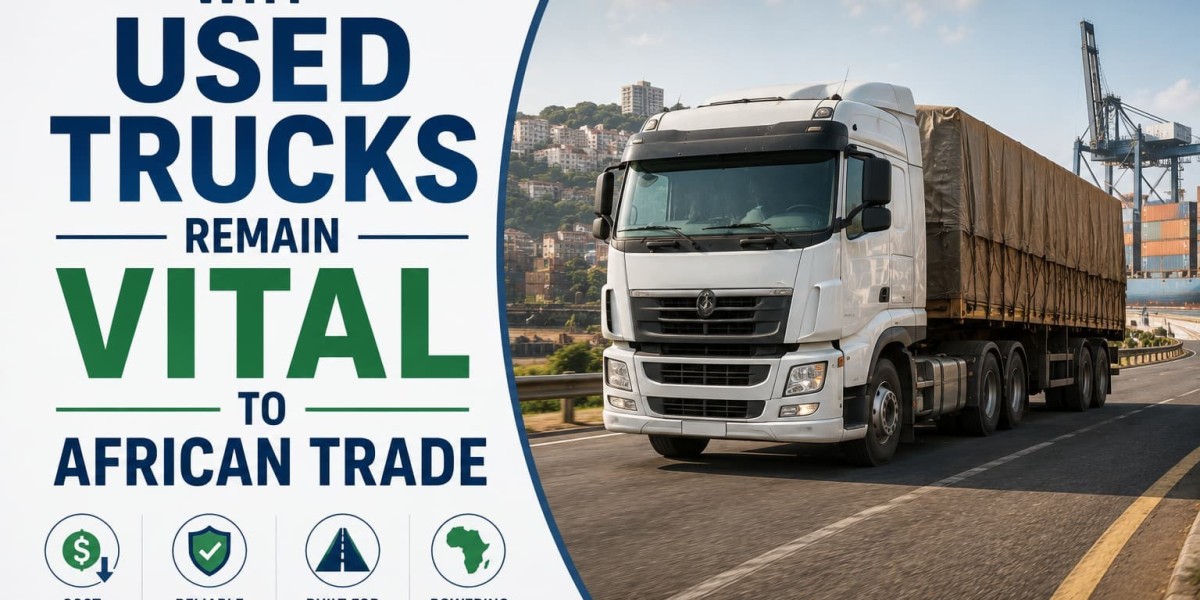

Road freight plays a central role in Africa’s commercial landscape, connecting ports, cities, mines, farms, construction sites, and industrial centres. Trucks carry essential goods across regions where rail networks may be limited or unavailable. However, purchasing new commercial vehicles requires substantial capital, leading many logistics providers, contractors, traders, and small businesses to consider used trucks as practical alternatives for expanding their transport capacity.
A recent study published by MarkNtel Advisors reports that the Africa used truck sector was valued at USD 11.55 billion in 2025. It is projected to grow from USD 12.11 billion in 2026 to USD 18.72 billion by 2032, recording a CAGR of approximately 7.53% during 2026–32. South Africa holds nearly 30% of the overall share.
Affordability Supports Wider Commercial Adoption
Used trucks provide businesses with access to commercial vehicles at lower upfront costs than comparable new models. This affordability is particularly important for small transport operators, independent contractors, and companies working with limited capital. Instead of directing substantial resources toward one new vehicle, operators may purchase multiple pre-owned trucks or retain funds for maintenance, fuel, staffing, and business expansion.
Flexible purchasing options also allow buyers to select vehicles according to specific operational requirements. Light-duty trucks are suitable for local deliveries, while medium- and heavy-duty models serve construction, mining, agriculture, and long-distance freight activities. The availability of different brands, body types, load capacities, and vehicle ages enables operators to balance purchase prices with expected usage and maintenance requirements.
Road Freight Strengthens Truck Requirements
Road transport remains essential to the movement of goods across the continent. According to the African Development Bank, roads carry about 80% of goods in Africa, demonstrating the importance of dependable commercial vehicle fleets. Used trucks help transporters address freight requirements without waiting for lengthy new-vehicle procurement cycles.
The development of cross-border trade corridors is also increasing the need for vehicles capable of travelling over long distances and varied road conditions. Freight operators serving regional routes require durable trucks, accessible spare parts, and reliable repair support. Models with established service networks are often preferred because easier maintenance can reduce downtime and support consistent delivery schedules.
Construction and Mining Expand Vehicle Usage
Infrastructure development creates demand for dump trucks, concrete mixers, tippers, tankers, and other specialized commercial vehicles. Road construction, housing projects, energy facilities, and industrial developments require the regular movement of equipment and materials. Used trucks offer contractors a cost-conscious way to increase fleet capacity for project-based operations without committing to the full cost of new vehicles.
Mining activities similarly depend on heavy vehicles for moving workers, machinery, minerals, and supporting materials. Trucks used in these environments must withstand high loads, dust, heat, and challenging terrain. Buyers therefore consider engine condition, suspension strength, maintenance history, mileage, and parts availability before purchasing pre-owned vehicles for demanding applications.
South Africa Maintains a Strong Position
South Africa benefits from an established automotive sector, extensive dealer networks, organized vehicle auctions, and relatively developed maintenance services. These conditions support the circulation, inspection, resale, and refurbishment of used commercial vehicles. The country also acts as an important source of trucks for buyers in neighbouring African economies.
Commercial vehicle manufacturing could further strengthen the regional supply chain. Recent developments indicate that South Africa is being considered as a production hub for commercial trucks, reflecting its strategic role in automotive assembly and distribution. Increased regional production may eventually create a larger pool of used vehicles entering secondary sales channels.
Vehicle Condition Remains a Key Challenge
The condition of used trucks varies considerably depending on age, previous applications, mileage, and maintenance quality. Vehicles previously used in mining, construction, or long-distance freight may require substantial repairs. Incomplete service records can make it difficult for buyers to assess engine wear, accident history, transmission performance, and future maintenance expenses.
Independent inspections, transparent documentation, and certified refurbishment can improve buyer confidence. Dealers that provide verified service histories, warranties, spare-parts assistance, and after-sales maintenance may gain greater relevance. Digital listings are also improving access to vehicle information, although physical inspection remains important before completing high-value commercial purchases.
Outlook for Africa’s Used Truck Sector
Used truck demand is expected to remain supported by freight transportation, infrastructure construction, mining, agriculture, and regional trade. Affordability will continue to influence purchasing decisions, particularly among smaller operators seeking dependable vehicles without the financial burden associated with new trucks.
Future development will depend on vehicle quality, financing availability, import regulations, inspection standards, and maintenance infrastructure. As transport corridors and commercial activities expand, reliable pre-owned trucks will remain important tools for moving goods, supporting projects, and connecting businesses across Africa.