

Matcha has become one of those things everyone in Dubai suddenly wants, but not everyone selling it actually understands. Walk into any supermarket and you'll find tins labelled "matcha" sitting next to green tea bags, priced far too low to be anything genuinely premium. The truth is, most of what's on those shelves isn't real ceremonial or authentic Japanese matcha at all — it's a diluted, sun-grown imitation dressed up in the right colour packaging.
If you've ever bought a tin of "matcha," made it exactly as instructed, and ended up with something flat, overly bitter, or oddly dull in colour, this is probably why. So here's what actually separates authentic Japanese matcha from everything else on the shelf, and what to look for before you buy.
Why Most "Matcha" in Dubai Isn't the Real Thing
Authentic matcha starts with shade-grown tea leaves, which is a deliberate process that happens roughly 30 days before harvest. Shading pushes the plant to produce more chlorophyll and amino acids, which is what gives real matcha its vivid green colour and naturally sweet, umami-rich taste. Skip that shading step, and you get a duller, more bitter tea that's often mislabelled and sold as matcha anyway, simply because it's cheaper to produce.
The grinding process matters just as much. Genuine matcha is stone-ground in traditional granite mills, slowly, to preserve texture and flavour. Mass-produced versions are often machine-milled at high speed, which generates heat and strips away much of the delicate aroma and nutritional value that makes matcha worth drinking in the first place.
What to Actually Check Before Buying
A few things separate a genuinely good matcha from a cheap imitation, and none of them require being an expert to spot.
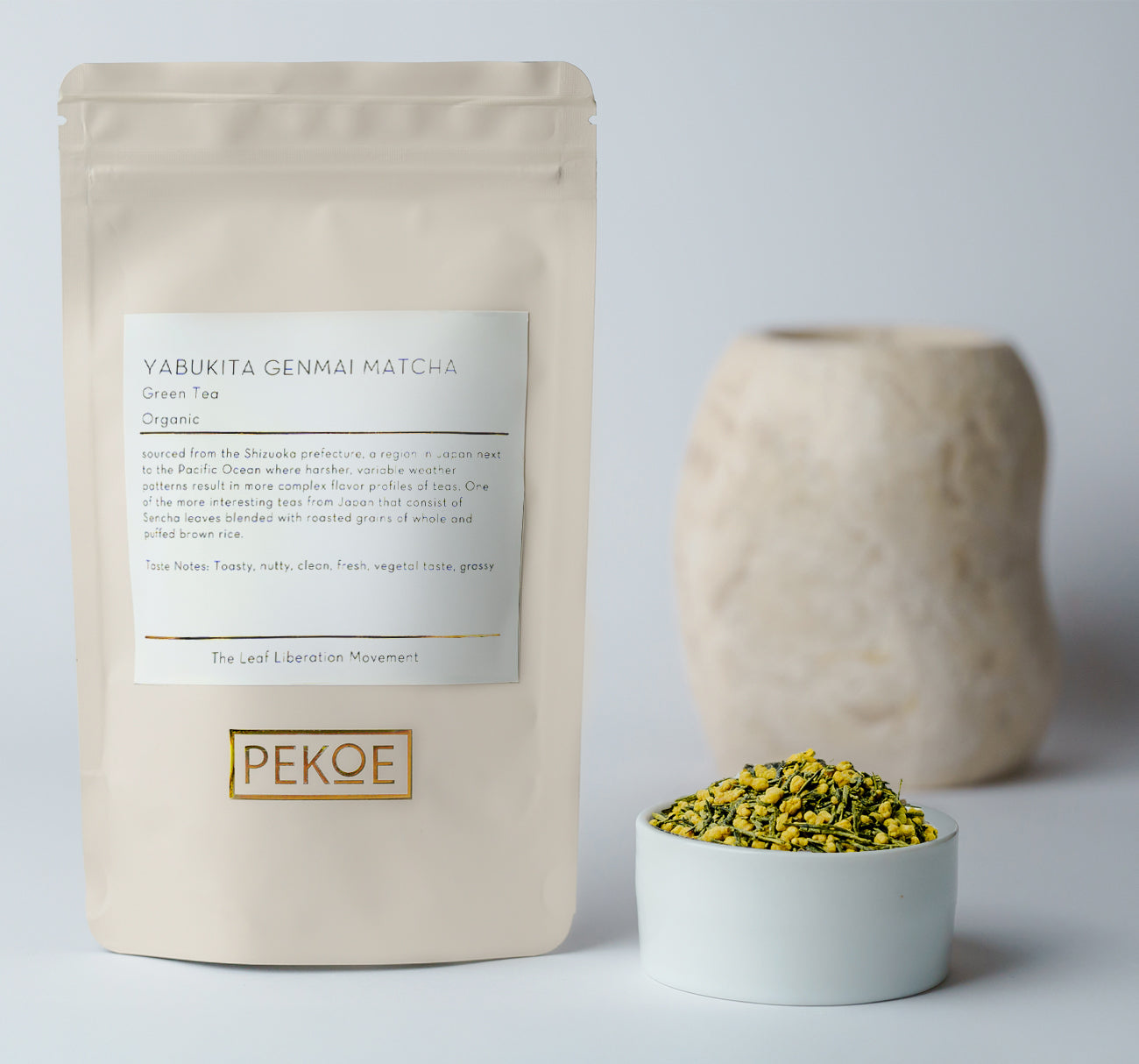
Origin is the first thing to look at. Real matcha comes from specific, well-documented regions in Japan, most notably Shizuoka and Kagoshima, both known for producing some of the best tea leaves in the world. If a product doesn't mention where it was actually grown, that's usually a sign it isn't worth trusting.
Colour tells you a lot too. Authentic matcha is a vivid, almost neon green, closer to the colour of fresh spinach than anything dull or yellowish. If a matcha looks pale, brownish, or faded, it's either old, poorly processed, or not genuinely shade-grown to begin with.
Texture matters as well. Good matcha feels almost silky between your fingers, fine enough that it barely feels gritty at all. Cheaper versions tend to feel coarser and clump more when whisked.
And finally, taste is the real test. Genuine matcha should taste naturally sweet and slightly vegetal, with only a gentle bitterness in the background, not the sharp, overpowering bitterness people often associate with green tea. If your matcha tastes harsh no matter how carefully you prepare it, the issue usually isn't your technique.
Why We Do Things Differently at Pekoe
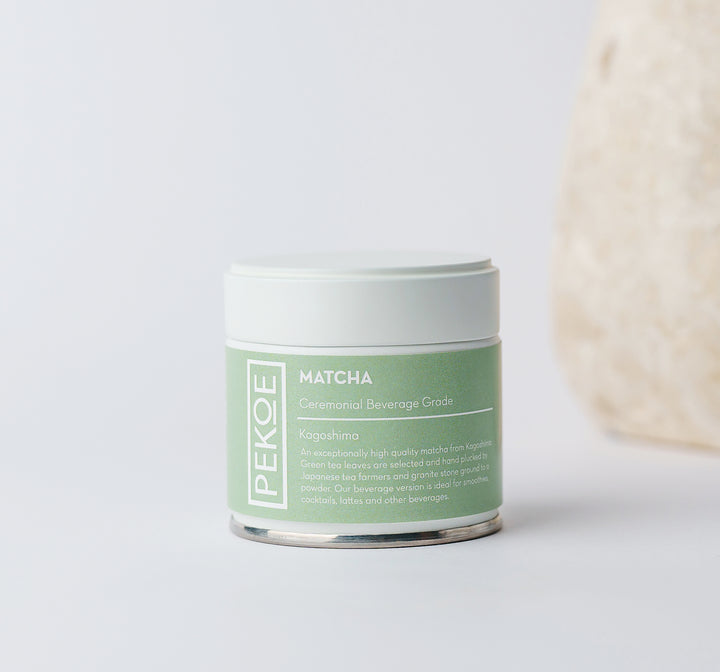
At Pekoe, we source our matcha directly from Shizuoka and Kagoshima, working with the same regions that have built Japan's reputation for exceptional tea over generations. Only the youngest, most tender leaves are hand-picked and stone-ground the traditional way, which is what gives our matcha its smooth texture, vibrant colour, and naturally sweet, rounded flavour.
Once it arrives, we package it here in the UAE to keep it as fresh as possible from the moment it lands to the moment it reaches your kitchen. That's a deliberate choice, because matcha is delicate. It loses its colour, aroma, and flavour quickly once exposed to heat, light, or air, so freshness at the point of packaging genuinely matters more than most people realise.
We also keep our matcha in a few different grades, because not everyone is looking for the same experience. Some customers want a strong, ceremonial-style matcha for traditional whisking. Others are looking for something smooth and mellow enough to blend into a latte every morning. Having the right grade for the right use makes a real difference in how much you actually enjoy drinking it.
Delivery Across the UAE
Wherever you are, we deliver matcha across the Emirates, including Dubai, Abu Dhabi, Sharjah, Ajman, Umm Al Quwain, Ras Al Khaimah, and Fujairah. Orders typically arrive within two to three business days, and all taxes and duties are already included at checkout, so there are no surprises waiting for you at your door.
The Bottom Line
Authentic Japanese matcha isn't hard to find in Dubai once you know what to actually look for — proper shading during growth, real Japanese origin, stone-grinding, vivid colour, and a naturally sweet taste rather than harsh bitterness. Skip the supermarket tins that promise the world at a fraction of the price, and you'll notice the difference from the very first cup.
Good matcha shouldn't feel like a compromise. Once you've had the real thing, it's genuinely hard to go back to anything less.
For more information
TikTok: mypekoe
Instagram: mypekoe
Facebook: mypekoe