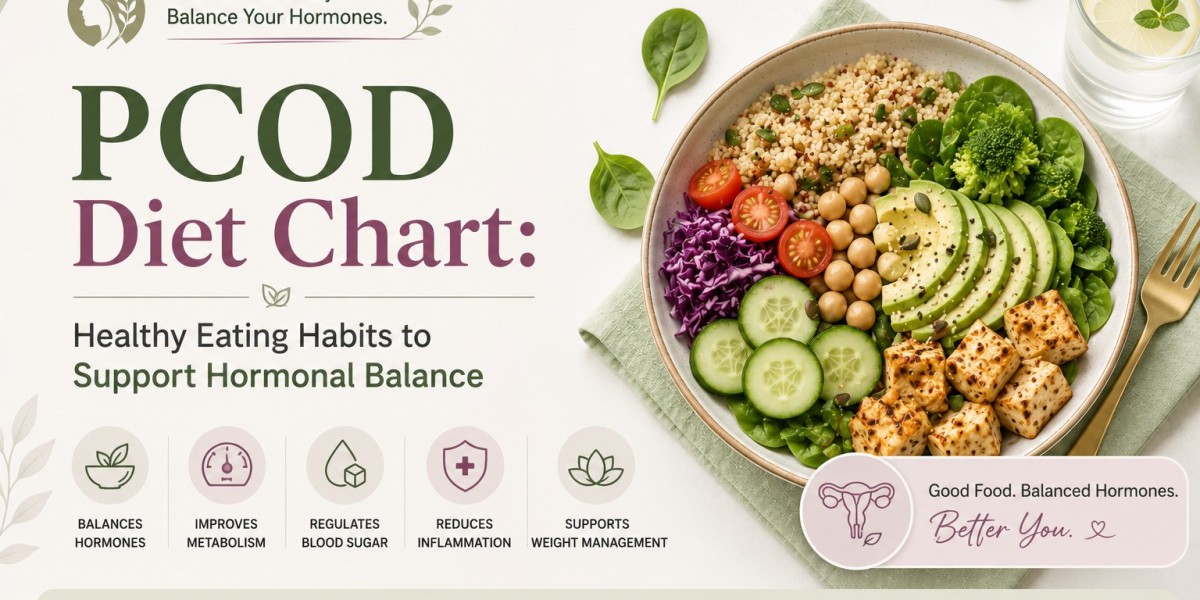

Why Nutrition Matters in PCOD
Polycystic Ovarian Disease (PCOD) is a common hormonal condition that can affect menstrual health, metabolism, weight management, and overall well-being. While medication may be recommended in some cases, nutrition and lifestyle choices also play an important role in managing symptoms.
A balanced PCOD Diet Chart focuses on healthy eating habits that support hormonal balance rather than relying on restrictive diets or quick fixes. Small, sustainable changes in your daily routine can make a meaningful difference over time.
What Makes a Healthy PCOD Diet?
A well-planned PCOD Diet Chart emphasizes nutrient-rich foods that provide steady energy and support overall health.
Some beneficial food groups include:
- Fresh vegetables
- Seasonal fruits
- Whole grains
- Pulses and legumes
- Lean protein sources
- Healthy fats from nuts and seeds
These foods are naturally rich in fiber, vitamins, minerals, and antioxidants that contribute to better nutrition and overall wellness.
Choose Low-Glycemic Foods
Many women with PCOD benefit from choosing foods that release energy gradually. Low-glycemic foods may help maintain stable blood sugar levels and reduce sudden hunger or cravings.
Healthy choices include:
- Oats
- Brown rice
- Quinoa
- Whole wheat
- Lentils
- Chickpeas
- Leafy green vegetables
Combining these foods with adequate protein and healthy fats can help create balanced meals.
Avoid Highly Processed Foods
A healthy PCOD Diet Chart also involves reducing foods that offer little nutritional value.
Try limiting:
- Sugary beverages
- Deep-fried foods
- Refined flour products
- Packaged snacks
- Processed sweets
Replacing processed foods with wholesome alternatives supports healthier eating habits and overall well-being.
Don't Skip Meals
Skipping meals is a common mistake that can lead to overeating later in the day. Eating balanced meals at regular intervals helps maintain consistent energy levels and supports healthier food choices.
Mindful eating and portion control are often more effective than extreme calorie restriction.
Lifestyle Habits That Support Hormonal Balance
Healthy eating is just one part of managing PCOD. A balanced lifestyle can further support hormonal health.
Stay Physically Active
Regular activities such as walking, yoga, cycling, strength training, or light workouts contribute to better overall fitness and weight management.
Prioritize Quality Sleep
Poor sleep may influence hormone regulation and energy levels. Establishing a consistent sleep schedule supports overall health.
Manage Stress
Long-term stress can affect hormonal balance. Meditation, breathing exercises, yoga, and mindfulness practices may help improve emotional well-being.
Stay Hydrated
Adequate water intake supports digestion, metabolism, and overall body functions.
Why Personalized Nutrition Makes a Difference
Every woman experiences PCOD differently. Factors such as age, body weight, activity level, medical history, and lifestyle all influence nutritional needs.
A personalized PCOD Diet Chart takes these individual factors into account, making it easier to follow and more effective than generic online diet plans.
Professional nutrition guidance can help create sustainable habits that fit your daily routine and long-term health goals.
Final Thoughts
A healthy PCOD Diet Chart is not about eliminating your favorite foods or following restrictive diets. It is about building balanced eating habits that support hormonal balance, healthy weight management, and overall wellness.
With the right nutrition, regular physical activity, adequate sleep, and stress management, women with PCOD can work toward better long-term health. At The EatWell Plate, personalized nutrition guidance is designed to help you make informed food choices and achieve sustainable results.