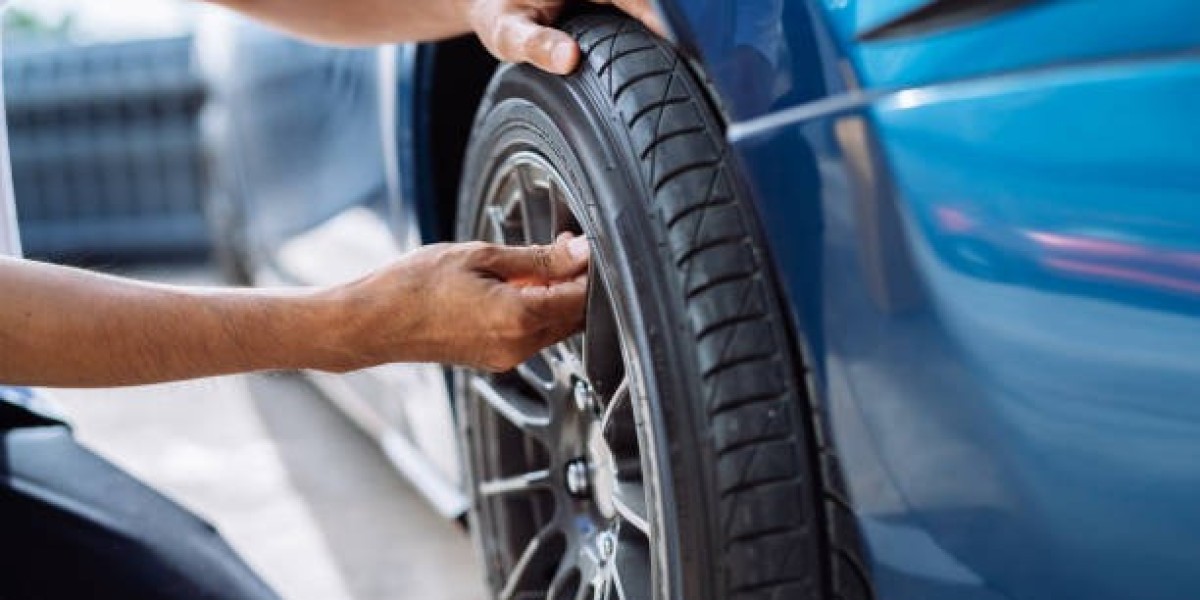

Most drivers can't tell whether a wheel problem is something to ignore or something that needs fixing before it gets dangerous. That gap in knowledge costs people money and, in some cases, their safety. A crack that looks purely cosmetic might be letting air out slowly. A vibration that seems like a tire balance issue might actually be a bent wheel that no amount of balancing will fix. If you've been noticing something off with your car and you're not sure whether it warrants a shop visit, here are five signs that point pretty clearly toward getting a professional set of eyes on your wheels. For drivers in Southern California, finding solid Auto Wheel Repair Services in Huntington Beach CA before the issue snowballs is usually the smarter and cheaper path.
1. Steering Wheel Vibration at Highway Speeds
You get on the freeway and somewhere around 60 to 70 mph, the steering wheel starts buzzing in your hands. Lots of people assume that's a balance problem. Could be. But if you've already had the tires balanced and the vibration came back within a few weeks, the wheel itself is probably the issue.
A bent or out-of-round wheel can't be fixed by balancing. The weights the technician adds just compensate for uneven mass, not for a wheel that's physically warped. At lower speeds the problem might not even show up, which makes it easy to dismiss. But at highway speeds, even a very slight bend creates a rhythmic wobble that travels straight up through the steering column and into your hands.
Don't ignore this one. A bent wheel puts uneven stress on your wheel bearings and tires, and it gets worse over time, not better.
2. Visible Damage on the Rim or Wheel Face
Curb rash happens to everyone. You clip a parking curb a little too close and end up with scuffed paint or gouges on the rim edge. A lot of that is cosmetic and won't affect how the car drives. But not all of it.
Deep gouges that reach into the metal, visible cracks anywhere on the wheel face or spoke, and chips near the bead seat area are all things worth taking seriously. The bead seat is where the tire sits against the wheel, and any damage there can break the airtight seal and cause slow leaks. Cracks are especially concerning because they can spread under normal driving stress, and a cracked wheel can fail suddenly rather than giving you much warning.
According to alloy wheel construction principles, the structural integrity of a cast or forged wheel depends on consistent material density throughout. A crack or deep gouge disrupts that, and there's no cosmetic fix that restores it.
3. Slow or Recurring Tire Pressure Loss
You fill the tire. It's fine for a week. Then it's low again. You fill it again. Same thing. No visible nail, no obvious puncture. This pattern almost always points to one of two things: a slow leak in the valve stem, or a compromised bead seat on the wheel itself.
When the wheel's bead seat gets corroded, bent, or damaged, the tire can't form a proper seal against it. Air seeps out gradually. You might lose a few PSI over several days, which is just enough to feel slightly off when driving but not dramatic enough to make you think you have a flat. Over time, running a tire at low pressure damages the sidewall and creates a much bigger problem than you started with.
The fix for a bad bead seat isn't just adding more air. The wheel needs to be inspected, and if the seat is corroded, it usually needs to be cleaned and sealed or the wheel replaced entirely. This is exactly the kind of issue that Auto Wheel Repair Huntington Beach CA shops handle regularly, and it's cheaper to deal with early.
4. The Car Pulls to One Side Despite Good Alignment
Your alignment was checked recently. The tires are in decent shape and inflated properly. But the car still drifts to the right or left when you're going straight. That's frustrating because you've already done the obvious things.
Here's the thing. A bent wheel can cause pulling even after a fresh alignment. The wheel's geometry is off, so the tire meets the road at a slightly wrong angle no matter what the alignment specs say. Technicians sometimes catch this during an alignment check, but not always, especially if the bend is subtle. If you've ruled out tires and alignment and the pull is still there, the wheel is the next logical suspect.
This is where shops specializing in Auto Wheel Repair Huntington Beach CA earn their keep. They have the tools to measure runout and detect bends that aren't visible to the naked eye. Getting a proper diagnosis here matters, because chasing a pull with repeated alignment adjustments is a waste of money if the wheel is actually the root cause.
If you're looking for a shop that handles this kind of diagnostic work, Sully's Auto Repair INC is one option that comes up for drivers in the Huntington Beach area who want someone to look at the whole picture rather than just one component.
5. Thumping or Clunking Noise at Low Speeds
This one's a bit different from vibration. It's a rhythmic thump. Or a low clunk that repeats. And it speeds up when you speed up, which tells you it's tied to wheel rotation rather than something like a loose heat shield or exhaust rattle.
A wheel that's no longer perfectly round, even slightly, can create this kind of noise because it's not rolling smoothly. Each rotation has a flat spot or a high spot that briefly changes how the tire contacts the road. At low speeds, you hear and feel it as a distinct thump rather than the smoother vibration you'd notice at highway speeds. Some people describe it as feeling like a slightly flat tire even when the pressure is fine.
The tricky part is that this symptom overlaps with worn wheel bearings and some suspension issues. So you need someone who can actually put the car on a lift and check the wheel for runout while also ruling out those other causes. Don't just assume it'll go away. It won't.
Frequently Asked Questions
Can a bent wheel be repaired, or does it always need to be replaced?
It depends on how bad the bend is and where it is. Minor bends on the inner lip of an alloy wheel can often be straightened by a shop with the right press equipment. But cracks, severe bends, or damage near the spoke roots usually mean the wheel needs to be replaced. A good shop will tell you honestly which category you're in rather than just pushing the more expensive option.
How do I know if my tire pressure loss is from the wheel or from the tire itself?
A shop can do a simple submersion test or use soapy water around the bead area to see where the air is escaping. If the leak is coming from the bead seat rather than a puncture or valve stem, the wheel is the problem. You can't fix a bad bead seat by patching the tire.
Is it safe to drive on a cracked wheel?
Honestly, no. Not for any extended period. Small surface cracks can grow under the stress of normal driving, and a wheel that fails while you're moving is a serious safety event. Get it looked at quickly and don't push it.
How much does professional wheel repair typically cost?
Straightening a bent alloy wheel usually runs somewhere between $75 and $150 per wheel depending on the severity and the shop. Cosmetic refinishing costs vary a lot. Replacement wheels range widely based on the vehicle and wheel type. Getting an inspection first is free at most shops, so there's no reason to guess.
If I need Auto Wheel Repair Services in Huntington Beach CA, what should I bring to the appointment?
Bring the car, obviously, but also try to describe when the symptom started, whether it's gotten worse, and what conditions make it most noticeable. If you've had recent tire work or alignment done, mention that too. The more context you give the technician, the faster they can zero in on the actual problem rather than starting from scratch.