
Paintless scratch and dent removal, often called PDR, fixes those annoying dings without messing with your car’s factory paint. It’s quick, cheaper than body shop work, and keeps the original finish intact. But is it always a smart move? This post breaks it down so you can decide for your ride.
What Exactly Is Paintless Scratch and Dent Removal?
Paintless scratch and dent removal is a technique where techs massage dents out from behind the panel using special tools. No sanding, no filler, no repainting. They work through access points like door panels or wheel wells. It’s pretty slick when it works.
I’ve seen guys get their cars back looking factory fresh in a day or two. Traditional repairs can take weeks and leave you with mismatched paint down the road. But not every dent qualifies. That’s where people get tripped up.
How Does It Actually Work Day to Day?
The process starts with the tech checking the dent size, location, and paint condition. They might remove interior trim to reach behind the metal. Then it’s slow, careful pushing and tapping to pop the metal back.
Special glue tabs or rods do most of the heavy lifting on trickier spots. Lighting plays a big role too. They use these reflective lines to see every ripple. It takes patience and a steady hand. Rush it and you’ll create more problems than you solve.
When Paintless Scratch and Dent Removal Makes Total Sense
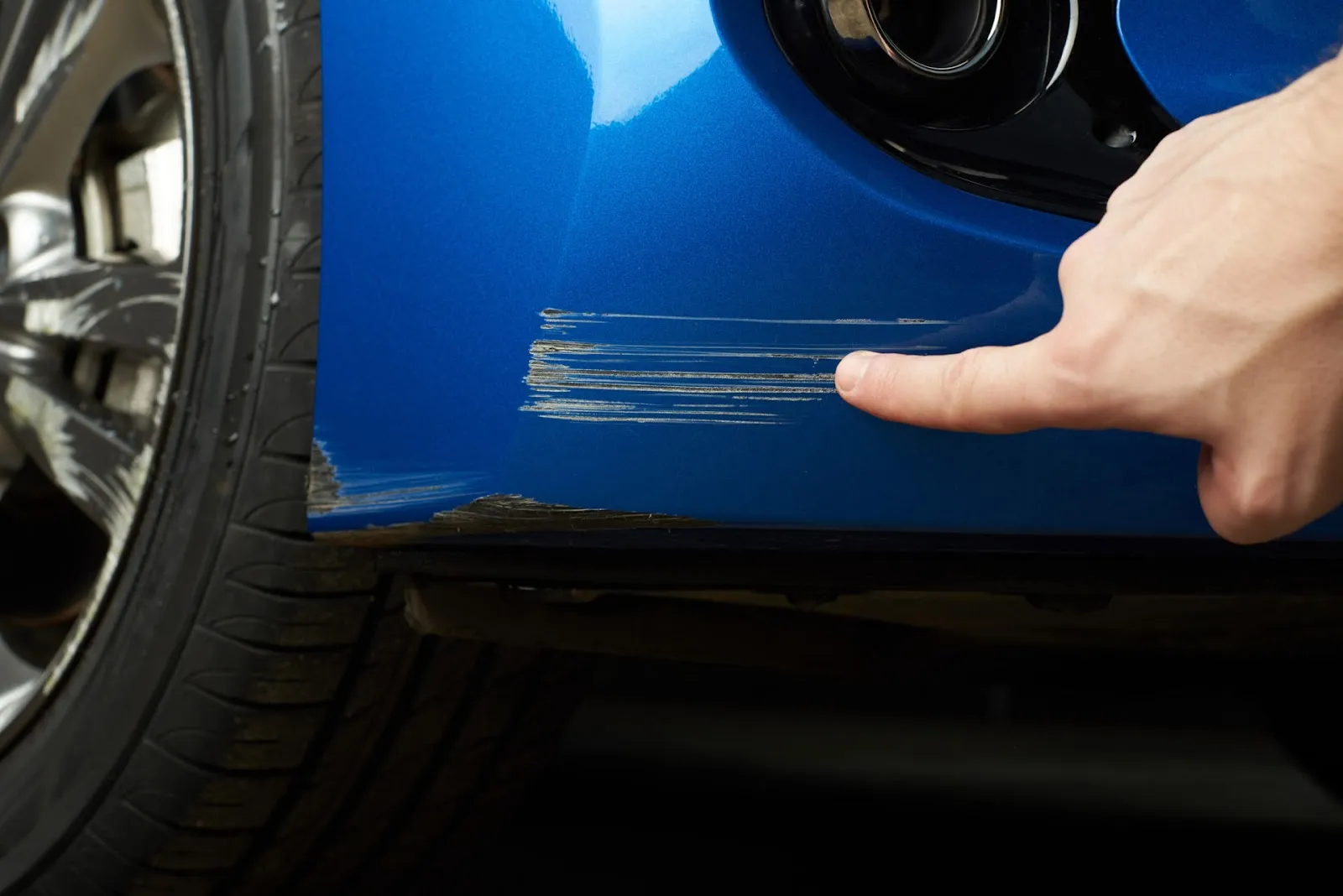
Small parking lot dings, hail damage, or that shopping cart hit on the door? Perfect candidates. If the paint isn’t cracked or chipped, PDR can restore it without a trace.
Newer cars with flexible modern paints respond best. I’ve watched techs fix dents you’d swear needed a full panel replacement. The car looks untouched and your insurance deductible might even get waived sometimes. Saves real money.
The Limitations Nobody Talks About Enough
Big creases, sharp edges, or dents on the edge of a panel? PDR often falls short there. If the paint is already damaged or the metal stretched too far, you’ll need traditional work.
Older cars with brittle paint from sun damage can crack during the process. I’ve seen it happen. And some spots, like roof rails or complex curves, just don’t give good access. Knowing these limits upfront stops disappointment later.
Cost Comparison – Paintless vs Traditional Repair
You’re usually looking at a few hundred bucks for good paintless scratch and dent removal instead of thousands at a body shop. The time saved is huge too. Most PDR jobs finish the same day or next.
But cheap isn’t always better. A half-assed job might leave wavy metal that shows under certain light. I tell people to expect to pay for experience. It costs more than the guy working out of his van but way less than a full repaint.
The Skill Factor – It’s Not Just Any Tech
This work separates the pros from weekend warriors. Good technicians train for years and know exactly how different metals move. They’ve got the right lighting and tools for your specific car.
I’ve seen guys with years under their belt fix dents that looked impossible. Newer techs might push too hard and create highs and lows. Ask about their experience with your make and model. It matters more than fancy certificates on the wall.
Real World Scenarios Where It Shines
Hail storms hit hard around here. One guy brought in his truck covered in little dents. Paintless scratch and dent removal brought it back looking brand new without touching the paint. Drove off happy same week.
Another time a lady had a big door ding from a parking lot hero. Traditional repair quoted at eighteen hundred. PDR fixed it for four fifty. Two years later you still can’t tell. These stories pile up when the conditions are right.
When You Should Skip Paintless and Go Traditional
If there’s paint damage, rust starting, or the dent is massive, don’t force it. Sometimes combining methods works best – PDR for the main dent and filler for the edges.
Blindly pushing for paintless scratch and dent removal on tough jobs leads to regret. I’ve heard stories of cars that looked okay initially but developed issues months later. Better to do it right once than patch it twice.
Environmental and Resale Value Benefits
Keeping original paint means no overspray or color match worries down the line. It’s better for the environment too – less chemicals and waste. Potential buyers notice when a car still has factory finish everywhere.
Resale value holds stronger with clean, original panels. A botched repaint job screams “previous damage” to savvy shoppers. PDR keeps things honest and clean.
Choosing the Right Shop for Your Needs
Don’t just pick the cheapest ad online. Look for techs who specialize in PDR full time. Check before and after photos of similar cars. Read real reviews, not just the stars.
Ask if they guarantee their work and what happens if the dent doesn’t come out completely. Good shops stand behind their results. Take your time here. Your car’s appearance and value depend on it.
Conclusion
At the end of the day, paintless scratch and dent removal is often the right call for minor damage. It saves time, money, and keeps your car looking original. But it ain’t magic. Know your dent, know the limits, and pick an experienced tech.
Don’t settle for quick and dirty work just to save a few bucks. A proper job pays off every time you look at your car or go to sell it.