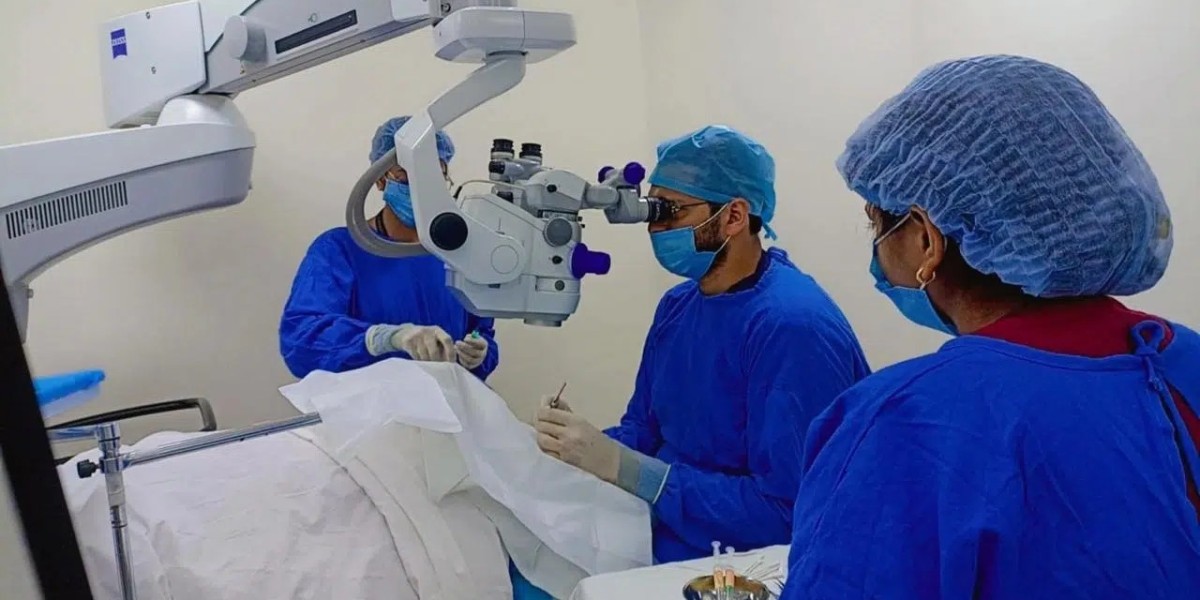

By Dr. Aman Kumar, Vitreo Retinal & Cataract Surgeon
Blurred vision is one of the most common eye complaints experienced by people of all ages. Sometimes it may simply indicate that you need a new pair of glasses, but in other cases, it can be a warning sign of a serious eye condition that requires immediate attention. Understanding the possible causes of blurred vision can help you seek timely treatment and protect your eyesight.
What Is Blurred Vision?
Blurred vision is the inability to see objects clearly or sharply. It can affect one or both eyes and may develop gradually or occur suddenly. Depending on the underlying cause, blurred vision may be temporary or persistent.
Common Causes of Blurred Vision
Refractive Errors
The most common cause of blurred vision is a refractive error, such as:
Nearsightedness (Myopia)
Farsightedness (Hyperopia)
Astigmatism
Presbyopia (age-related difficulty seeing up close)
These conditions are usually corrected with glasses, contact lenses, or refractive surgery.
Cataracts
A cataract occurs when the natural lens of the eye becomes cloudy, leading to blurry vision, glare, and difficulty seeing at night. Cataracts usually develop gradually with age but can also occur earlier due to diabetes, injury, or long-term steroid use.
If cataracts begin to affect your daily activities, consulting the best cataract surgeon in Delhi can help determine the right treatment.
Retinal Disorders
The retina is responsible for capturing light and sending visual signals to the brain. Diseases affecting the retina can cause sudden or progressive blurred vision.
These include:
Diabetic Retinopathy
Retinal Detachment
Macular Degeneration
Macular Edema
Retinal Vein Occlusion
If blurred vision appears suddenly or is accompanied by flashes or floaters, consult a retina specialist in Delhi or an experienced Eye Specialist in Delhi NCR immediately.
Dry Eye Disease
Insufficient tear production or poor tear quality can cause fluctuating blurred vision, especially after long hours of screen use.
People experiencing persistent discomfort may benefit from professional dry eye treatment in Delhi.
Glaucoma
Glaucoma damages the optic nerve and may lead to gradual vision loss without noticeable symptoms in the early stages.
Regular eye examinations with a glaucoma specialist in Delhi are important, especially for people over 40 or those with a family history of glaucoma.
When Is Blurred Vision an Emergency?
Seek immediate medical attention if blurred vision is accompanied by:
Sudden vision loss
Flashes of light
A large number of floaters
A dark curtain over your vision
Severe eye pain
Double vision
Eye injury
Prompt treatment can prevent permanent vision loss in many cases.
How Is Blurred Vision Diagnosed?
A comprehensive eye examination may include:
Vision testing
Refraction test
Eye pressure measurement
Retinal examination
Optical Coherence Tomography (OCT)
Dilated eye examination
These tests help identify the exact cause and guide the most appropriate treatment.
Tips to Maintain Clear Vision
Healthy habits can reduce the risk of many eye problems:
Schedule routine eye examinations.
Follow the 20-20-20 rule during screen use.
Eat foods rich in vitamins A, C, and E.
Wear UV-protective sunglasses outdoors.
Stay hydrated.
Manage diabetes and blood pressure.
Avoid smoking.
Preventive care is the key to maintaining healthy eyesight.
Choosing the Right Eye Specialist
Whether your blurred vision is caused by cataracts, retinal disease, glaucoma, or another eye condition, early diagnosis makes a significant difference.
Consulting the best ophthalmologist in Delhi ensures a thorough eye evaluation and personalized treatment. Patients with complex retinal and cataract conditions often choose the Best Cataract and Retina Surgeon in Delhi for advanced medical and surgical care tailored to their needs.
Conclusion
Blurred vision should never be ignored, especially if it develops suddenly or worsens over time. While many causes are easily treatable, others require urgent medical attention to prevent permanent vision loss.
If you experience persistent blurred vision, schedule a comprehensive eye examination. Early diagnosis, timely treatment, and regular eye check-ups are the best ways to protect your vision and maintain lifelong eye health.