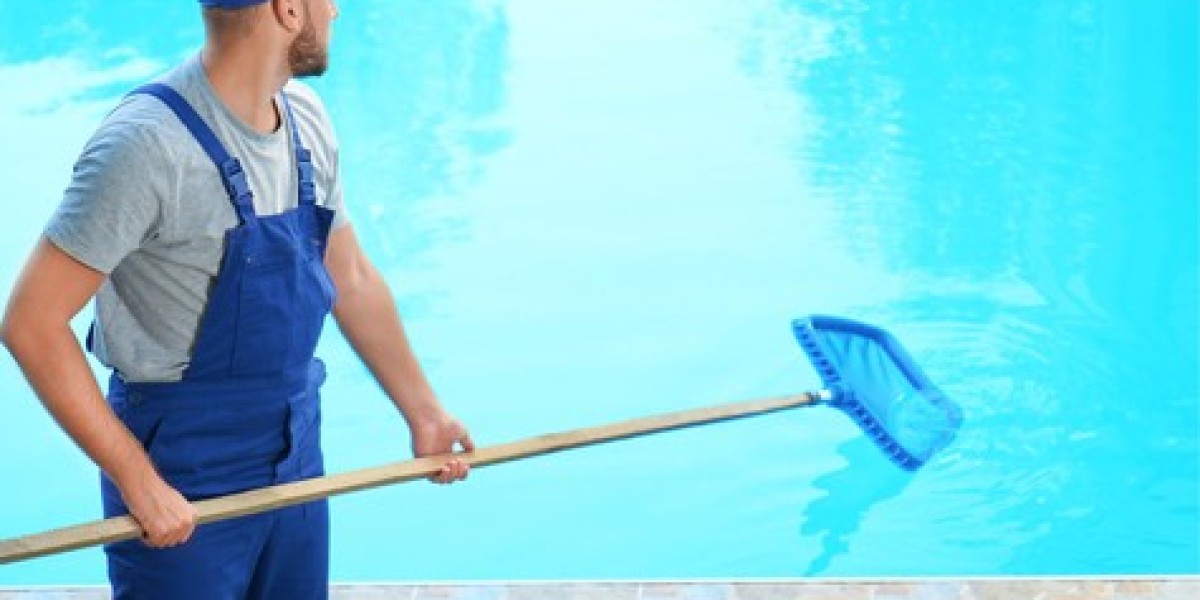

There is something deeply unpleasant about stepping into a pool that looks clear and recently cleaned, only to feel a slippery, slimy sensation on your skin the moment you touch the water or the pool walls. It's one of those pool problems that catches people off guard precisely because the water appears fine on the surface. No visible green tinge, no obvious debris floating around, just water that feels distinctly wrong the moment you're in it. The instinct for most pool owners is to assume more cleaning is needed, but slimy pool water is actually a specific symptom that points to a particular imbalance in the water chemistry or an early-stage biological problem that a standard clean won't resolve on its own. Understanding what's actually causing that slippery feeling is the only way to address it properly and stop it coming back.
What Is Actually Causing That Slimy Feeling
The most common cause of slimy pool water is the early formation of biofilm, a thin layer of microorganisms including bacteria and algae that attach themselves to pool surfaces and begin colonising the water. Biofilm forms when chlorine levels drop below the threshold needed to keep microbial growth in check, and it produces that characteristic slippery coating on pool walls, steps, and even on swimmers' skin. It can develop surprisingly quickly, sometimes within days of a chemical imbalance, and because it forms in a thin layer that isn't always visible to the naked eye it often goes undetected until someone notices the tactile change in the water. Low or imbalanced pH is another contributing factor, since water that is too alkaline reduces the effectiveness of chlorine even when the chlorine reading appears adequate on a test strip. In some cases a build-up of body oils, sunscreen residue, and other organic contaminants from regular swimming can also contribute to a slippery water feel, particularly in pools that see heavy use without frequent shocking.
Why a Standard Clean Often Isn't Enough to Fix It
Many pool owners respond to slimy water by running the vacuum, skimming the surface, and adding a standard dose of chlorine, and then wonder why the problem persists or returns within a few days. A regular maintenance clean addresses visible debris and maintains surface appearance, but it doesn't target the biofilm layer that is coating pool walls below the waterline or the chemical imbalance allowing it to thrive. Resolving slimy pool water properly requires a full water chemistry test to identify exactly what is out of balance, followed by targeted chemical correction rather than a blanket chlorine top-up. Brushing all pool surfaces thoroughly before chemical treatment is also essential, since biofilm has a protective structure similar to black algae that needs to be physically disrupted before chemicals can penetrate effectively. For pool owners who want the problem properly diagnosed and corrected the first time, professional Pool Cleaning Beaumaris provides the expertise and testing equipment needed to identify the exact cause and apply the right treatment rather than guessing at the solution.
What Our Beaumaris Customers Are Saying About Same Day Pool Cleaning
"Our pool was looking perfectly clear but every time we got in the water it felt strange and slippery, almost like the walls had soap on them. We'd cleaned it the week before and couldn't work out what was going on. We called Same Day Pool Cleaning and they came out, tested the water properly, and explained that our pH had crept too high which was making the chlorine almost ineffective despite looking fine on our basic test strips. They corrected the chemistry, gave the whole pool a thorough brush and shock treatment, and within two days the water felt completely normal again. Really glad we called rather than just keep throwing chlorine at it ourselves. Very knowledgeable team and the service was fast and reasonably priced."
— Joanne and Peter H., Beaumaris
⭐⭐⭐⭐⭐
The Role of Water Chemistry in Preventing Sliminess
Getting on top of slimy pool water and keeping it away comes down largely to maintaining the right chemical balance consistently rather than reactively. Chlorine levels should sit between 1 and 3 parts per million for effective sanitisation, but chlorine only works properly within a specific pH range, ideally between 7.2 and 7.6. When pH drifts above this range, the active form of chlorine that kills bacteria and algae becomes significantly less effective, creating conditions where biofilm can establish itself even in pools that appear chemically maintained. Total alkalinity, which acts as a buffer for pH stability, also plays an important role since pools with poorly balanced alkalinity tend to experience frequent pH swings that create repeated windows for microbial growth. Calcium hardness levels that are too low can cause water to become aggressive and draw minerals from pool surfaces, which contributes to surface degradation that gives biofilm additional grip over time.
How to Prevent Slimy Pool Water From Returning
Once the immediate problem has been resolved through proper chemical correction and thorough brushing, keeping slimy water from returning is largely a matter of consistent maintenance habits. Testing water chemistry at least twice a week during the swimming season rather than relying on appearance alone gives you early warning of any imbalances before they develop into a visible or tactile problem. Running the pool pump for sufficient hours each day ensures that treated water circulates through every part of the pool rather than allowing stagnant zones to develop where biofilm can establish itself undisturbed. Shocking the pool fortnightly during peak summer use, and after periods of heavy rain or high bather load, helps break down the organic contaminants that contribute to biofilm formation. Regularly brushing pool walls and floors even when the water looks clean is one of the simplest and most effective preventative habits a pool owner can develop.
Conclusion: Getting Your Pool Water Feeling Clean and Fresh Again
Slimy pool water is an uncomfortable and frustrating problem, but it is a specific and fixable one once the underlying cause is properly identified. A standard clean and a routine chlorine top-up rarely resolve it completely because the issue sits at the level of water chemistry and biofilm biology rather than surface debris. Proper water testing, targeted chemical correction, thorough brushing, and a shock treatment applied together address both the symptom and the cause in a way that a surface clean alone simply cannot. Same Day Pool Cleaning has the testing equipment and chemical knowledge to identify exactly what is driving the sliminess in your pool, apply the right corrective treatment, and help you put a consistent maintenance routine in place that keeps your water feeling genuinely clean and inviting every time you step in, not just looking clear from the outside.