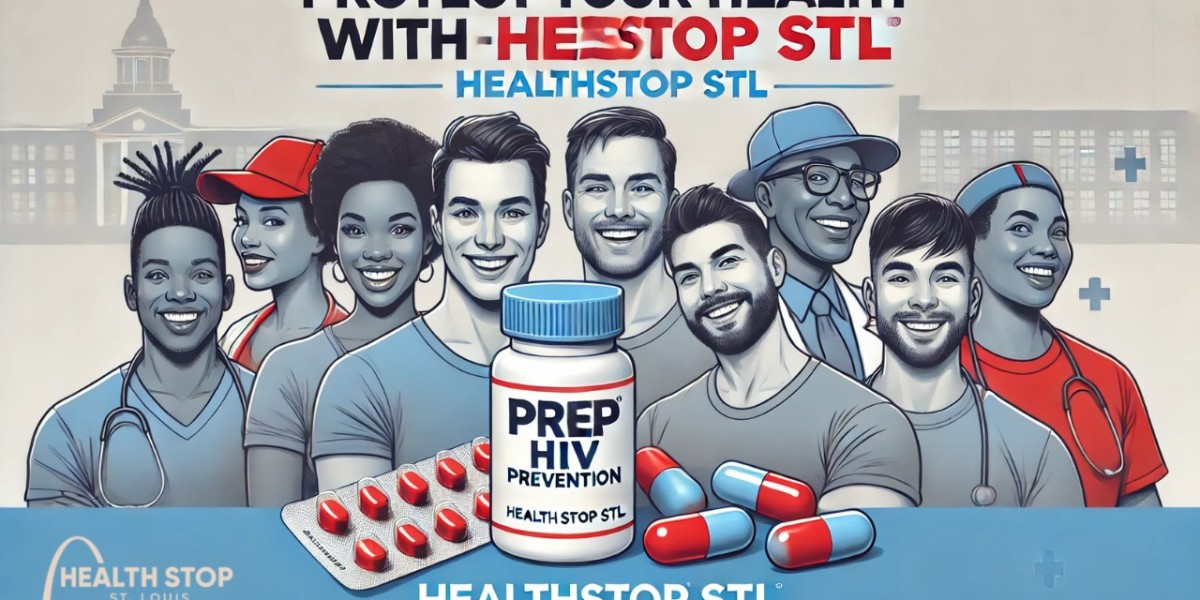

HIV prevention has advanced significantly over the past decade, giving people more options than ever to protect their health. One of the most effective tools available today is PrEP (Pre-Exposure Prophylaxis)—a medication designed to reduce the risk of getting HIV before exposure occurs. When taken as prescribed, PrEP can lower the risk of HIV transmission through sex by about 99% and significantly reduce the risk from injection drug use.
Whether you're learning about PrEP HIV prevention for the first time or exploring your prevention options, understanding how PrEP works can help you make informed decisions. Alongside regular screenings and an at home HIV test kit, PrEP has become an important part of a comprehensive HIV prevention strategy.
Here are seven essential things everyone should know about PrEP.
1. PrEP Is Highly Effective at Preventing HIV
PrEP is a preventive medication for people who do not have HIV but may be at increased risk of exposure. Unlike medications used to treat HIV after infection, PrEP works by stopping the virus from establishing an infection if exposure occurs.
When taken consistently as directed by a healthcare provider, PrEP offers exceptional protection. However, its effectiveness depends on taking the medication as prescribed and attending regular medical follow-up appointments.
For individuals who want reliable PrEP HIV prevention, consistency is the key to maintaining maximum protection.
2. PrEP Is Recommended for Many Different People
PrEP isn't limited to one group of people. Healthcare providers may recommend it for individuals who:
- Have a partner living with HIV.
- Have multiple sexual partners.
- Do not consistently use condoms.
- Have recently been diagnosed with a sexually transmitted infection (STI).
- Share injection drug equipment.
- Want additional peace of mind as part of their HIV prevention plan.
Your healthcare provider can help determine whether PrEP is appropriate based on your personal health history and lifestyle.
3. Regular HIV Testing Is an Important Part of PrEP
Before starting PrEP, you'll need to confirm that you are HIV-negative through testing. Regular follow-up HIV testing is also required while taking PrEP to ensure the medication remains safe and effective.
Many people appreciate the convenience of using an at home HIV test kit between healthcare visits or as part of their routine health monitoring. While an at-home test can provide valuable information, it's important to follow your healthcare provider's recommendations regarding laboratory testing required during PrEP treatment.
Routine HIV testing also supports early detection, allowing prompt treatment if needed.
4. PrEP Does Not Protect Against Other STIs
One common misconception is that PrEP protects against every sexually transmitted infection. In reality, PrEP is specifically designed to prevent HIV.
It does not prevent infections such as:
- Chlamydia
- Gonorrhea
- Syphilis
- Herpes
- Human papillomavirus (HPV)
For complete sexual health protection, healthcare providers often recommend combining PrEP HIV prevention with safer sex practices, routine STI screening, and open communication with partners.
5. Different PrEP Options Are Available
Today, PrEP is available in more than one form. Depending on your individual needs, your healthcare provider may recommend:
- A daily oral tablet
- A long-acting injectable PrEP administered every few months (for eligible individuals)
The right option depends on factors such as your medical history, lifestyle, and ability to maintain a daily medication schedule.
Your healthcare provider will discuss the benefits and potential considerations of each option to help you choose the best fit.
6. PrEP Is Safe for Most People
PrEP has been extensively studied and is considered safe for most eligible individuals.
Some people may experience mild side effects when they first begin treatment, including:
- Nausea
- Headache
- Fatigue
- Mild stomach discomfort
These symptoms are usually temporary and often improve within a few weeks.
Your healthcare provider will also monitor your kidney function and overall health during routine follow-up appointments to ensure the medication continues to be appropriate.
Keeping scheduled appointments and maintaining open communication with your healthcare team are important parts of successful PrEP use.
7. HIV Prevention Works Best with a Comprehensive Approach
PrEP is one of the most powerful HIV prevention tools available, but it works even better when combined with other preventive strategies.
A comprehensive HIV prevention plan may include:
- Taking PrEP exactly as prescribed.
- Using condoms consistently.
- Scheduling regular STI screenings.
- Knowing your HIV status through routine testing.
- Encouraging partners to get tested.
- Using an at home HIV test kit when appropriate for convenient screening between healthcare visits.
- Maintaining regular follow-up appointments with your healthcare provider.
This layered approach helps reduce HIV risk while supporting overall sexual health and wellness.
The Bottom Line
PrEP has transformed HIV prevention by providing a safe, effective, and proactive option for people at risk of HIV exposure. Understanding how PrEP works, staying consistent with treatment, and participating in regular HIV testing are essential for achieving the best results.
If you're considering PrEP HIV prevention, talk with a qualified healthcare provider about whether it's right for you. Pairing PrEP with routine screenings, healthy prevention habits, and the convenience of an at home HIV test kit can help you take control of your sexual health with confidence.
Early awareness, preventive care, and informed healthcare decisions remain the foundation of reducing HIV transmission and supporting healthier communities.