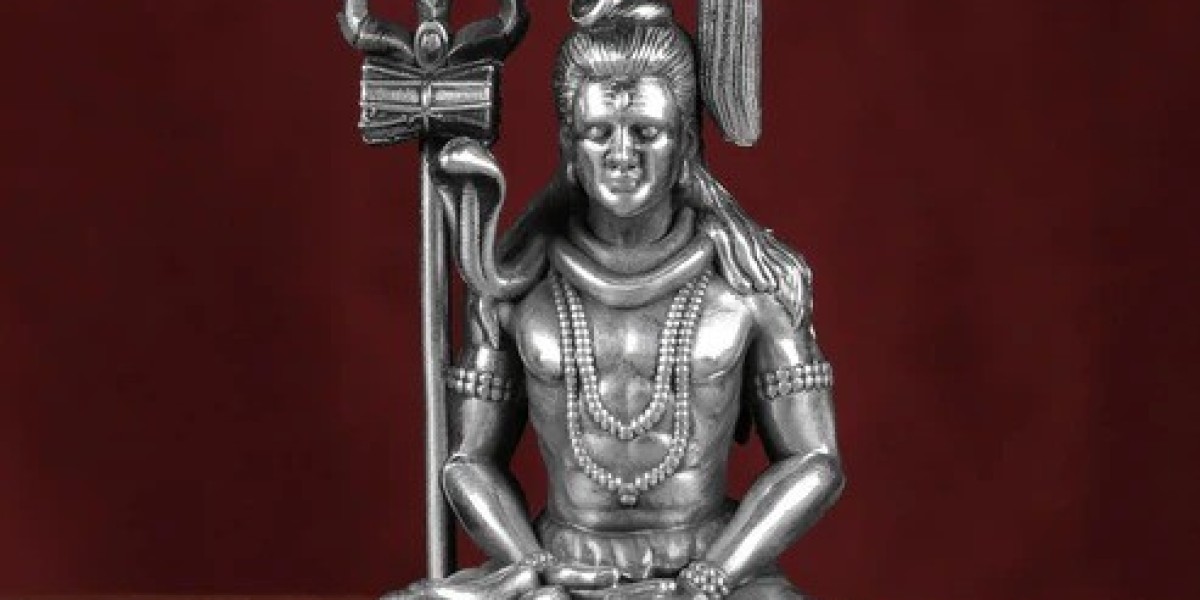

Shiva statues hold a special place in Hindu spirituality and home décor. Revered as the Supreme Lord of transformation, meditation, and cosmic balance, Lord Shiva symbolizes inner peace, wisdom, and spiritual awakening. Whether placed in a prayer room, meditation corner, office, or living space, Shiva statues create an atmosphere of positivity and divine energy.
For centuries, devotees have welcomed Shiva idols into their homes as symbols of protection, strength, and enlightenment. Today, beautifully crafted Shiva Statues combine spiritual significance with artistic excellence, making them meaningful additions to both traditional and modern interiors. Artarium’s collection of Shiva statues reflects this perfect blend of devotion, craftsmanship, and timeless beauty.
The Spiritual Significance of Shiva Statues
Lord Shiva, also known as Mahadev, is one of the most worshipped deities in Hinduism. He represents the cycle of creation, preservation, and destruction that governs the universe. Unlike destruction in a negative sense, Shiva’s transformative power signifies the removal of negativity and the creation of new beginnings.
A Shiva statue serves as a reminder of these spiritual teachings. It inspires devotees to remain calm amid challenges, maintain inner balance, and seek higher consciousness. Many people place Shiva statues in their homes to create a sacred environment that encourages meditation, devotion, and self-reflection.
Why Shiva Statues Are Popular in Home Décor
Modern homeowners increasingly seek décor that carries deeper meaning. Shiva statues fulfill this desire by combining aesthetic appeal with spiritual significance.
A beautifully crafted Shiva murti can become the focal point of any room. Whether made from resin, metal, marble, or traditional materials, Shiva statues add elegance and serenity to the surroundings. Their intricate detailing, symbolic elements, and peaceful expressions make them ideal for creating a calm and harmonious atmosphere.
Beyond decoration, many people believe that keeping a Shiva statue at home attracts positive vibrations, removes negative energies, and promotes spiritual growth. This dual purpose makes Shiva idols highly popular among devotees and interior design enthusiasts alike.
Different Types of Shiva Statues
1. Meditating Shiva Statue
The meditating Shiva statue depicts Lord Shiva in a deep state of meditation. Seated with closed eyes, this form symbolizes inner peace, self-control, and spiritual enlightenment.
Meditating Shiva statues are especially popular among yoga practitioners and meditation enthusiasts. They help create a peaceful environment that supports mindfulness and relaxation. Many people place these statues in meditation rooms, gardens, and wellness spaces to inspire tranquility.
2. Mystical Shiva Statue
Mystical Shiva statues showcase the majestic and artistic aspects of Mahadev. Featuring flowing locks, intricate ornaments, and detailed craftsmanship, these statues beautifully capture the divine presence of Lord Shiva.
Their artistic appeal makes them ideal for living rooms, entryways, and spiritual corners. These statues serve as both sacred symbols and decorative masterpieces.
3. Shiva with Nandi
Nandi, the sacred bull, is Lord Shiva’s loyal companion and vehicle. Shiva and Nandi statues symbolize devotion, faithfulness, protection, and unwavering dedication.
This form is often chosen by devotees who wish to strengthen their spiritual connection with Lord Shiva while embracing the virtues represented by Nandi.
4. Shiva Lingam Statue
The Shiva Lingam is among the most sacred representations of Lord Shiva. It symbolizes cosmic energy, creation, and the union of divine forces.
Many households include a Shiva Lingam in their prayer rooms for daily worship and spiritual practices. Devotees believe that worshipping the Shiva Lingam brings peace, prosperity, and spiritual fulfillment.
5. Shiva Trishul and Damru Statues
The Trishul (trident) and Damru (drum) are two of Shiva’s most powerful symbols. The Trishul represents the balance of creation, preservation, and destruction, while the Damru symbolizes cosmic sound and universal rhythm.
Statues featuring these elements are often chosen by individuals seeking strength, balance, and spiritual awareness.
Symbolism Found in Shiva Statues
Every detail in a Shiva statue carries profound spiritual meaning:
- Third Eye: Represents wisdom and higher perception.
- Crescent Moon: Symbolizes time and the cyclical nature of existence.
- Ganga River: Reflects purity and divine grace.
- Snake Around the Neck: Represents mastery over fear and desire.
- Trishul: Signifies balance among the three fundamental cosmic forces.
- Damru: Symbolizes the rhythm of creation and universal energy.
- Meditative Posture: Represents self-discipline, peace, and enlightenment.
Understanding these symbols helps devotees connect more deeply with the spiritual essence of Shiva statues.
Benefits of Keeping Shiva Statues at Home
Promotes Inner Peace
The serene expression of Lord Shiva encourages mental calmness and emotional balance. Many people find comfort and relaxation simply by spending a few moments in contemplation before a Shiva statue.
Enhances Spiritual Growth
Shiva statues serve as daily reminders of spiritual values such as discipline, devotion, and self-awareness. They encourage individuals to focus on personal growth and inner transformation.
Creates Positive Energy
According to traditional beliefs, Shiva idols help create a spiritually uplifting atmosphere by reducing negativity and inviting positive vibrations into the home.
Supports Meditation Practices
Meditating Shiva statues are particularly beneficial for those engaged in yoga, mindfulness, and spiritual practices. Their presence can deepen concentration and enhance the meditation experience.
Best Placement for Shiva Statues
Proper placement is important to maximize the spiritual benefits of a Shiva statue.
North or East Direction
Traditional Vastu principles recommend placing Shiva statues in the north or east direction. These directions are believed to align with positive cosmic energies.
Prayer Room
A dedicated pooja room is one of the best places for a Shiva idol. It creates a sacred space for daily worship and spiritual practices.
Meditation Area
Placing a meditating Shiva statue in a meditation room or yoga corner helps establish a peaceful and focused environment.
Living Room
Large artistic Shiva statues can serve as elegant centerpieces in living rooms while maintaining their spiritual significance.
Regardless of placement, the area should always remain clean, organized, and respectful. Fresh flowers, incense, and lamps can further enhance the sacred atmosphere.
Shiva Statues as Meaningful Gifts
Shiva statues make thoughtful and memorable gifts for various occasions, including:
- Housewarming ceremonies
- Weddings
- Festivals
- Birthdays
- Corporate gifting
- Spiritual milestones
A Shiva statue is more than a decorative item—it represents blessings, protection, wisdom, and spiritual prosperity. This makes it a meaningful gift that recipients can cherish for years.
Choosing the Right Shiva Statue
When selecting a Shiva statue, consider the following factors:
Purpose
Determine whether the statue is intended for worship, meditation, decoration, or gifting.
Size
Choose a size that complements the available space while maintaining visual balance.
Design
Select a design that resonates with your personal preferences and spiritual connection. Options include meditating Shiva, Shiva Lingam, Shiva with Nandi, and artistic mystical forms.
Craftsmanship
High-quality craftsmanship enhances both the spiritual and aesthetic value of the statue. Carefully crafted details bring the divine form of Lord Shiva to life and make the statue more impactful as a sacred object and decorative piece.
Conclusion
Shiva statues are timeless symbols of peace, transformation, and divine energy. Whether chosen for worship, meditation, home décor, or gifting, they bring spiritual significance and artistic beauty into any space. Their powerful symbolism inspires strength, wisdom, and inner harmony while creating an atmosphere of positivity and devotion.